
Galaxy S27 Ultra Could Get a Self-Healing Display for Micro-Scratches
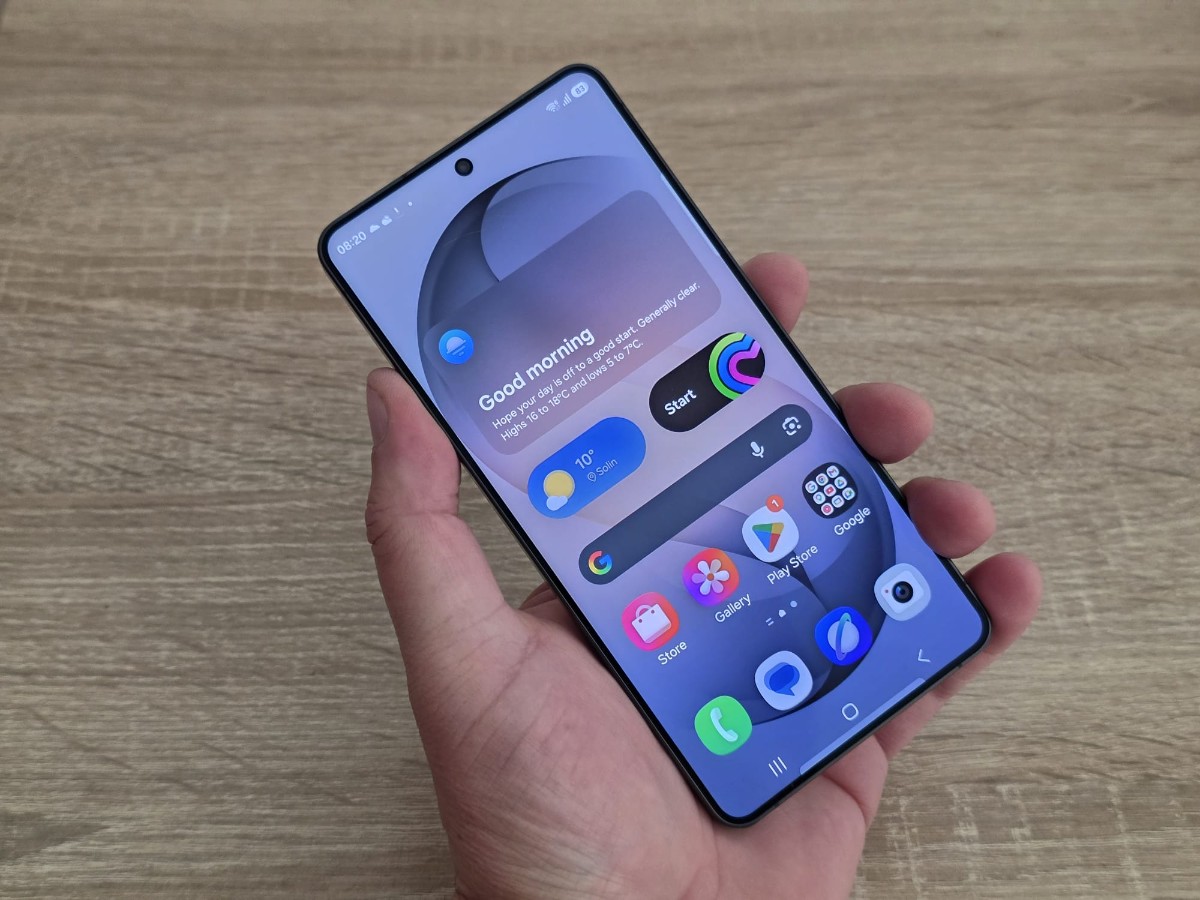
Samsung’s next Ultra flagship may bring a new approach to smartphone display protection. A fresh rumour suggests that the Galaxy S27 Ultra could debut an advanced version of Corning’s Gorilla Armor glass with a surface coating designed to reduce the appearance of everyday micro-scratches.
The technology would not make the display completely immune to damage. Instead, it could allow the outer surface to recover from minor wear over time, shifting the focus from conventional scratch resistance toward what may be described as “scratch recovery.”
A new direction for Gorilla Armor
The claim comes from tipster @phonefuturist, also known as Schrodinger, who says Samsung and Corning are reportedly developing a self-healing surface coating for the next generation of Gorilla Armor display protection.
The purpose would be to address one of the most common long-term issues with modern smartphones: fine scratches that gradually appear after daily use. These marks are often caused by dust, grit, keys, pockets and repeated contact with hard surfaces.
According to the leak, simply making display glass harder may not be enough to solve the problem. Extremely hard glass can still develop visible micro-abrasions, especially when exposed to fine particles such as quartz sand. A surface capable of recovering from very small scratches could therefore offer a more practical solution than another incremental increase in glass hardness.
If the technology reaches commercial devices, Samsung could reportedly market it as “scratch recovery” rather than traditional scratch resistance.
Galaxy S27 Ultra could be first
Samsung has a history of using its Galaxy S Ultra models to introduce new display protection technologies. Gorilla Armor made its debut on the Galaxy S24 Ultra, bringing a highly effective anti-reflective layer designed to reduce glare and improve outdoor visibility.
Samsung later adopted Gorilla Armor 2 on the Galaxy S25 Ultra and Galaxy S26 Ultra. The company has also introduced privacy-focused display features intended to reduce the visibility of sensitive content to people looking over a user’s shoulder in public.
The Galaxy S27 Ultra could now become the next testing ground for another display-focused innovation. The device is expected to launch in the first quarter of next year alongside the Galaxy S27, Galaxy S27 Plus and Galaxy S27 Pro.
However, Samsung has not confirmed the Galaxy S27 Ultra, its display technology or its launch schedule. The alleged self-recovery coating should therefore be treated as an early and unverified report.
What “self-healing” may actually mean
The term “self-healing display” sounds more dramatic than the likely reality. It probably would not repair deep scratches, chips, cracks or other physical damage caused by drops.
Instead, the technology may target light surface-level marks — the subtle scratches that become visible when a phone is held under direct sunlight or viewed against a dark screen. These are often the scratches that frustrate users who avoid screen protectors for a cleaner feel and more direct touchscreen response.
The effectiveness of such a coating would depend on several unanswered questions:
-
Which types of surface marks can recover?
-
How deep can a scratch be before the coating cannot help?
-
Does recovery happen naturally, through heat, or after a period of time?
-
Will the coating wear down after months or years of use?
-
Could it affect touch responsiveness, anti-reflective performance or fingerprint recognition?
Until Samsung or Corning provides technical details, it is impossible to know whether the feature would be a major practical upgrade or a carefully branded improvement with limited real-world impact.
Availability may remain exclusive
Even if the technology launches with the Galaxy S27 Ultra, it may take some time to spread to other Samsung devices. Gorilla Armor itself remained exclusive to Ultra models for an extended period, and not every Galaxy flagship received the first or second generation of the protection.
That means the Galaxy S27 Ultra could be the only Samsung phone to receive the scratch-recovery display treatment in 2027. Mid-range Galaxy A devices, standard Galaxy S models and foldables may need to wait for production costs to fall and wider component availability to improve.
The exclusivity could be frustrating if the coating proves genuinely useful. Micro-scratches are not just an Ultra-user problem, after all, and a display technology that reduces everyday wear would make sense across Samsung’s wider smartphone portfolio.
A potentially meaningful upgrade
Modern smartphone displays have become brighter, smoother and more durable, but the basic annoyance of fine scratches has never disappeared. Many users still face a trade-off between applying a screen protector they may not like and accepting that an unprotected display will eventually show signs of daily use.
A coating that can reduce or recover from light surface scratches would not eliminate the need for careful handling. But it could offer a meaningful improvement for people who want to use their phones without a screen protector while keeping the display looking cleaner for longer.
For now, the Galaxy S27 Ultra’s alleged self-recovering display remains a promising rumour rather than a confirmed feature. If Samsung and Corning can make it work reliably, though, it could become one of the more useful display innovations in recent flagship smartphone history.


