
Google Fitbit Edge brings the screen, a replaceable battery, and a physical button
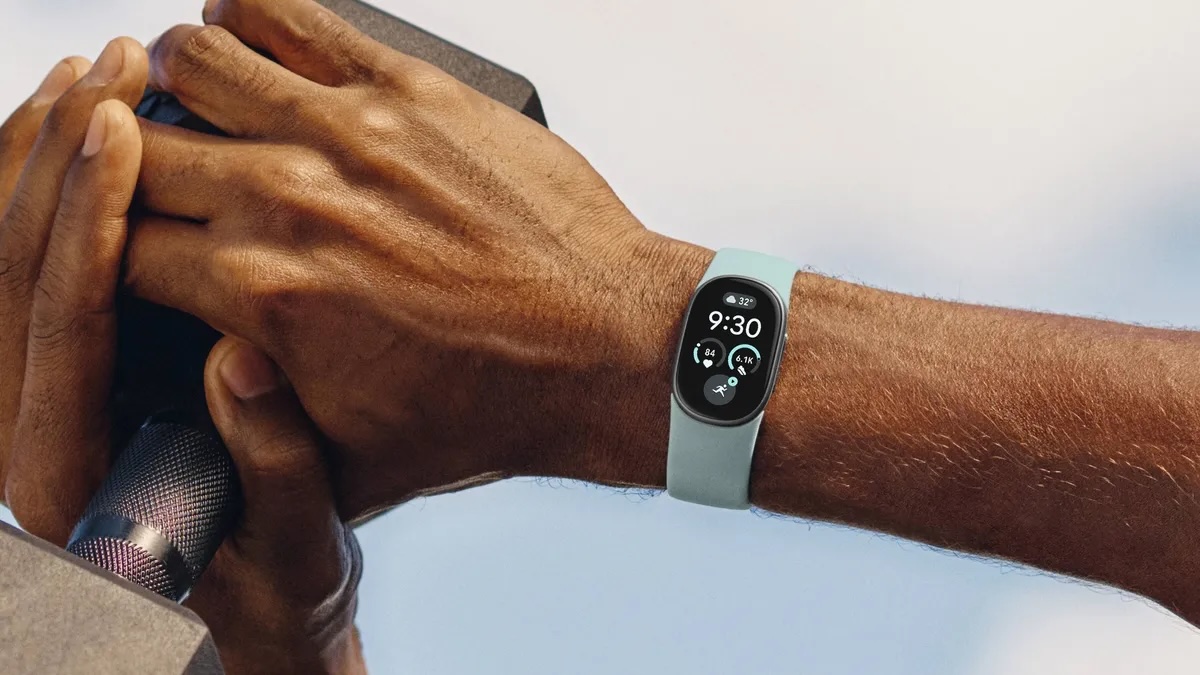
Google has introduced the Fitbit Edge, a slim fitness tracker designed to sit between the screenless Fitbit Air and the more capable Pixel Watch. Its biggest departure from the Air is also its most visible: a larger, brighter display that lets users check health data, notifications and directions from their wrist.
The Edge is priced at $179.99 in the US and £159.99 in the UK. Australian pricing has not been announced.
A tracker with smartwatch ambitions
Google describes the Edge’s hybrid OLED display as its largest and brightest tracker screen yet, with 46% more viewing area than previous Fitbit trackers. The screen is designed to remain readable in direct sunlight, while a tile-based interface gives users quick access to information without turning the device into a full Wear OS smartwatch.
Even so, the Edge reaches beyond basic fitness tracking. It supports call and notification management as well as Google Maps, giving it some of the everyday convenience of a smartwatch in a narrower band-style design. A physical button provides another way to control it without relying entirely on the touchscreen.
Fitbit Edge specifications
More independence from the phone
Built-in GPS is one of the Edge’s most useful advantages over the Fitbit Air. It allows users to record routes and speeds during runs, rides and hikes without relying on their phone’s location data. Google has also improved automatic activity detection: the Edge can recognise up to 100 types of workout without the user manually starting a session. That tracking improvement is also due to reach the Fitbit Air.
The Edge includes sleep and menstrual-cycle tracking alongside Google Health features such as its AI fitness coach. It also brings ECG scans and Insulin Resistance Trends to the band. Those additions broaden its health-tracking role, although the article does not specify whether access to every feature is included in the purchase price.
A battery designed to last longer
Google rates the Edge for up to a week of use between charges and says a full recharge takes around 90 minutes. More unusually for a compact tracker, its battery can be replaced. That could make the device easier to keep using after the original battery wears out, rather than treating the entire band as disposable.
The Edge also retains the flexibility of interchangeable straps. Buyers can choose an Active Sport band, a micro-adjustable Performance Loop or Metal Links for a look closer to a watch.
Taken together, the screen, GPS and physical button make the Edge a more interactive alternative to the Fitbit Air without asking users to move all the way to a Pixel Watch. Its appeal will depend on how well those features work in daily use, particularly whether the larger display and health tools justify the higher price.


