
Samsung and Google unveil AI smart glasses powered by Gemini
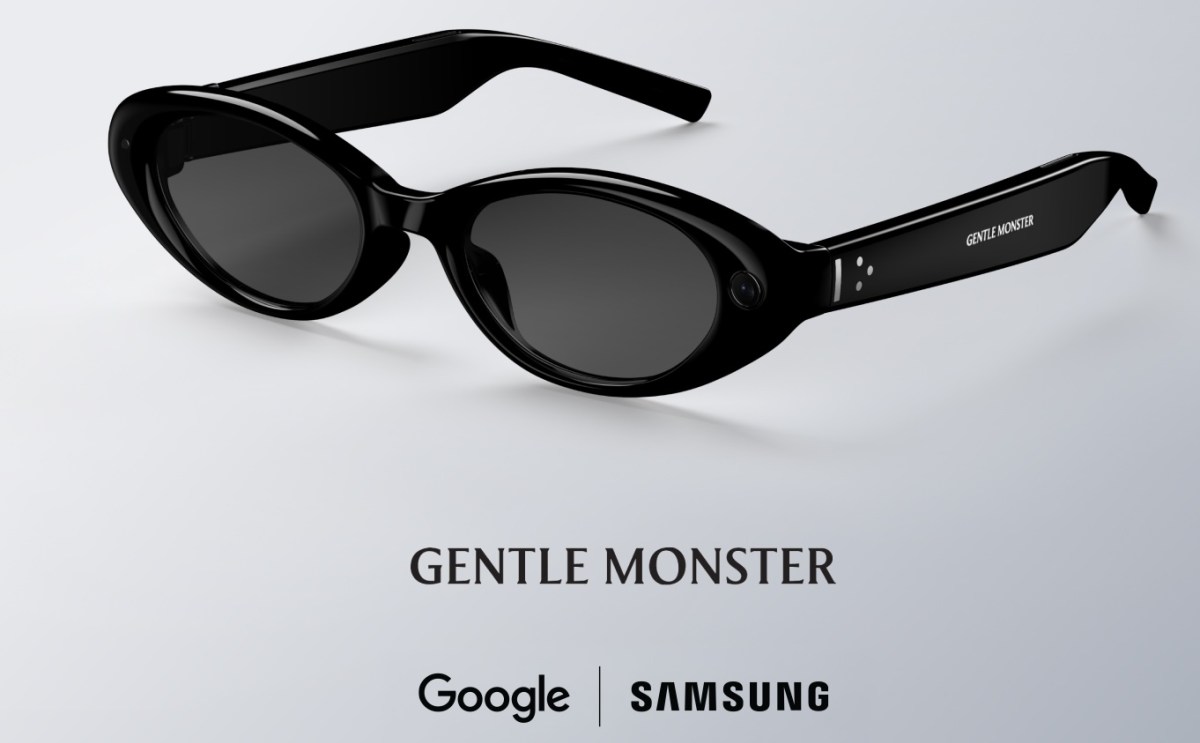
Samsung and Google have used Google I/O 2026 to formally unveil their new AI-powered smart glasses, marking one of the clearest signs yet that both companies see smart eyewear as the next major computing category after smartphones. The glasses combine Samsung hardware, Google’s Android XR platform, and Gemini AI, with features focused on live translation, navigation, messaging, and hands-free contextual assistance.
Samsung and Google have taken the wraps off a new generation of AI smart glasses at Google I/O 2026, turning a long-rumored partnership into a visible product strategy. The unveiling gives the strongest indication yet that both companies are preparing for a broader push into wearable computing, with intelligent eyewear positioned as a companion device rather than a replacement for the smartphone.
The new glasses are built on Google’s Android XR platform and deeply integrated with Gemini, the company’s multimodal AI assistant. That combination is meant to allow users to interact naturally with the device through voice, while the glasses interpret what the wearer sees and hears in real time to provide context-aware help.
In practical terms, the feature set appears designed around everyday utility rather than flashy experimentation. Users can ask for walking directions, translate spoken conversations or written text, review places around them, summarize incoming messages, and capture photos or video, all without pulling out a phone.
Samsung has described the glasses as a companion product that works alongside a smartphone over Bluetooth, which helps explain the overall design philosophy. Instead of trying to replace the phone with a full standalone computer on the face, the companies seem to be aiming for a lighter, more wearable device that extends key AI functions into a hands-free format.
Design is also playing a central role in the launch. The glasses were presented in partnership with Gentle Monster and Warby Parker, signaling that Samsung and Google understand smart eyewear has to work as both technology and fashion if it is going to gain wider public acceptance.
That positioning also highlights the competitive backdrop. Meta has already established a strong presence in AI glasses through its Ray-Ban partnership, so Google and Samsung are clearly entering a market where style, comfort, and useful AI features matter just as much as raw technical ambition.
For now, several key details remain unresolved. The companies have indicated that the glasses are expected to launch later this fall in select markets, but pricing, precise release timing, and full regional availability have not yet been confirmed.


