
Xiaomi Begins HyperOS 4 Rollout: Android 17 Update Schedule for Xiaomi, Redmi and Poco Devices
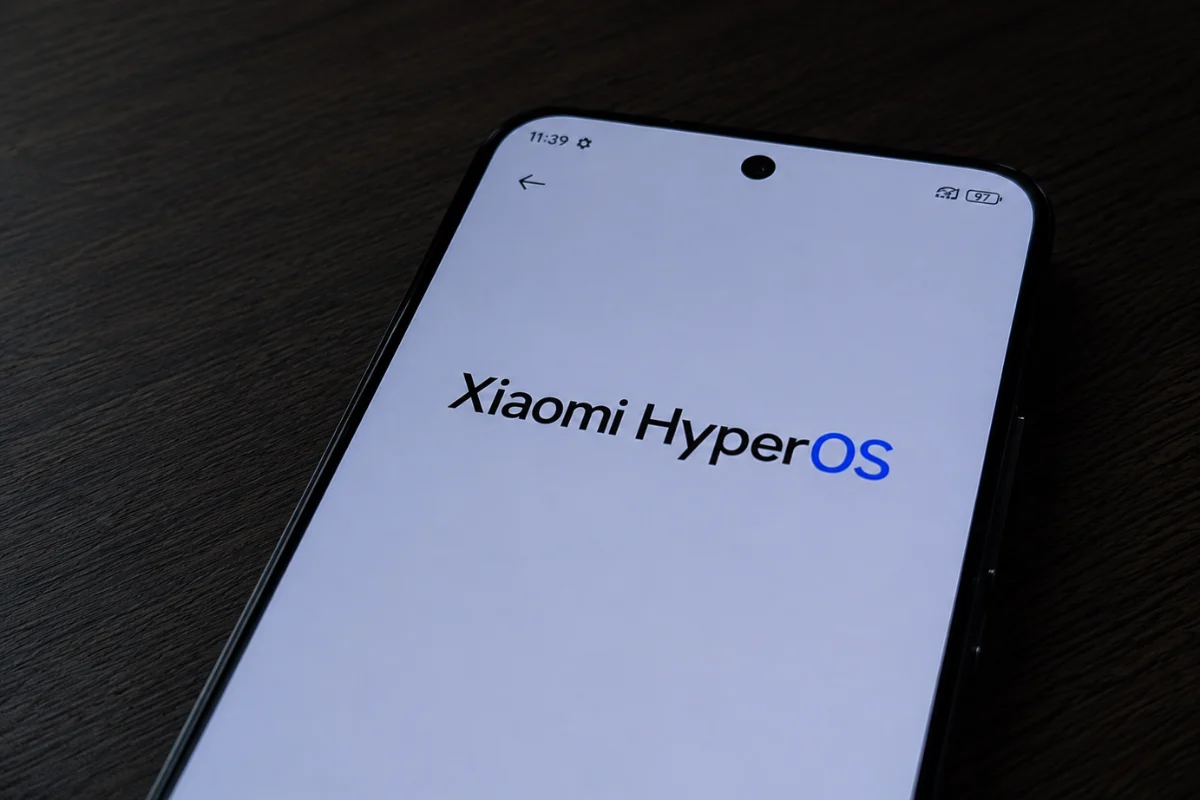
Xiaomi is beginning the stable rollout of its Android 17-based HyperOS 4 software on November 3, 2026, with updates scheduled to reach a broad selection of Xiaomi, Redmi and Poco phones and tablets over the coming weeks.
The first wave includes the Xiaomi 17 and 17T families, several Poco lineups and recent Redmi devices. Further releases are planned for mid-November and December, extending the update to older models, including the Xiaomi 13 and 13T series.
Announced in August and followed by beta testing across multiple devices, HyperOS 4 combines a redesigned interface with additional customisation, multitasking improvements and claimed performance gains.
HyperOS 4 Rollout Begins on November 3
The opening phase covers the following device families and individual models:
-
Xiaomi 17 series
-
Xiaomi 17T series
-
Xiaomi 15
-
Xiaomi Pad 8 series
-
Poco F8 series
-
Poco X8 series
-
Poco M8 series
-
Poco C85
-
Poco C95 Pro
-
Redmi Note 17 series
-
Redmi Note 15 series
-
Redmi 17 series
-
Redmi 15 series
Being included in the first wave does not mean every device will receive the update immediately. Distribution is staggered, so the software may take time to appear even after a model’s scheduled rollout begins.
The supplied schedule lists some products by series rather than individual model names. It should therefore not be read as a model-by-model confirmation of every regional variant.
Second Wave Starts in Mid-November
The next phase broadens availability to additional smartphones and tablets across all three brands.
Devices scheduled to begin receiving HyperOS 4 in mid-November include:
-
Xiaomi 15T series
-
Xiaomi Pad 7 series
-
Xiaomi Pad Mini
-
Redmi Pad 2 series
-
Poco Pad X1
-
Poco Pad M1
-
Poco F9 series
-
Poco F7 series
-
Poco X7 series
These are rollout windows rather than guaranteed delivery dates. Users may receive the software at different points within the distribution period.
December Brings the Update to More Older Devices
The December phase includes the Xiaomi 14, Xiaomi 13 and Xiaomi 13T families, alongside additional Redmi and Poco models.
The listed devices are:
-
Xiaomi MIX Flip
-
Xiaomi 14 series
-
Xiaomi 14T series
-
Xiaomi 13 series
-
Xiaomi 13T series
-
Xiaomi Pad 6S Pro 12.4
-
Redmi Note 14 series
-
Redmi 15 series
-
Redmi 14S
-
Redmi A7 Pro
-
Redmi Pad 2 series
-
Poco F6 series
-
Poco X8s
-
Poco X7
-
Poco X6 Pro
-
Poco M8s 5G
-
Poco M7
-
Poco C81 Pro
-
Poco Pad C1
There is some overlap in the supplied timetable. The Redmi 15 series appears in both the initial and December phases, while the Redmi Pad 2 series is listed for mid-November and December. Poco X7 also appears separately in December after the broader Poco X7 series entry in the preceding wave.
The information provided does not explain whether those repeated entries reflect different variants, markets or an inconsistency in the schedule. Owners of the affected devices should not treat either window as a definitive delivery date for their particular unit.
A Refreshed Interface and More Personalisation
HyperOS 4 introduces a visual refresh described as drawing inspiration from Liquid Glass, alongside expanded options for organising and customising the interface.
The listed changes include:
-
Additional lock-screen customisation
-
Larger clock designs
-
New home-screen organisation features
-
Improved support for floating applications
-
Better handling of app orientation
Together, the changes target both appearance and everyday navigation. The home-screen and lock-screen additions focus on personalisation, while the floating-app and orientation updates address how applications behave during multitasking.
Xiaomi Claims Nearly 20% Faster App Launches
Beyond the interface changes, Xiaomi is promoting a performance improvement driven by a background AI algorithm that learns how the phone is used.
According to the company’s claim, applications can launch nearly 20% faster after approximately a day of use. The stated benefit depends on the system adapting to usage patterns rather than delivering a fixed improvement immediately after installation.
That figure remains a manufacturer claim, not an independently established result. The supplied information does not identify the devices, applications or test conditions used to calculate it.
What Users Should Expect Next
The most important distinction is between the start of a rollout and the arrival of an update on an individual device. Xiaomi’s schedule outlines when distribution begins, not when every eligible phone or tablet will have completed the upgrade.
For now, the rollout is set to progress through three broad stages: an initial release beginning November 3, a second wave in mid-November and a wider expansion in December. The overlapping entries leave some model-specific timing unresolved, but the timetable points to a substantial deployment across Xiaomi’s three brands before the end of the year.


