
India puts UPI fees on hold after merchants push back
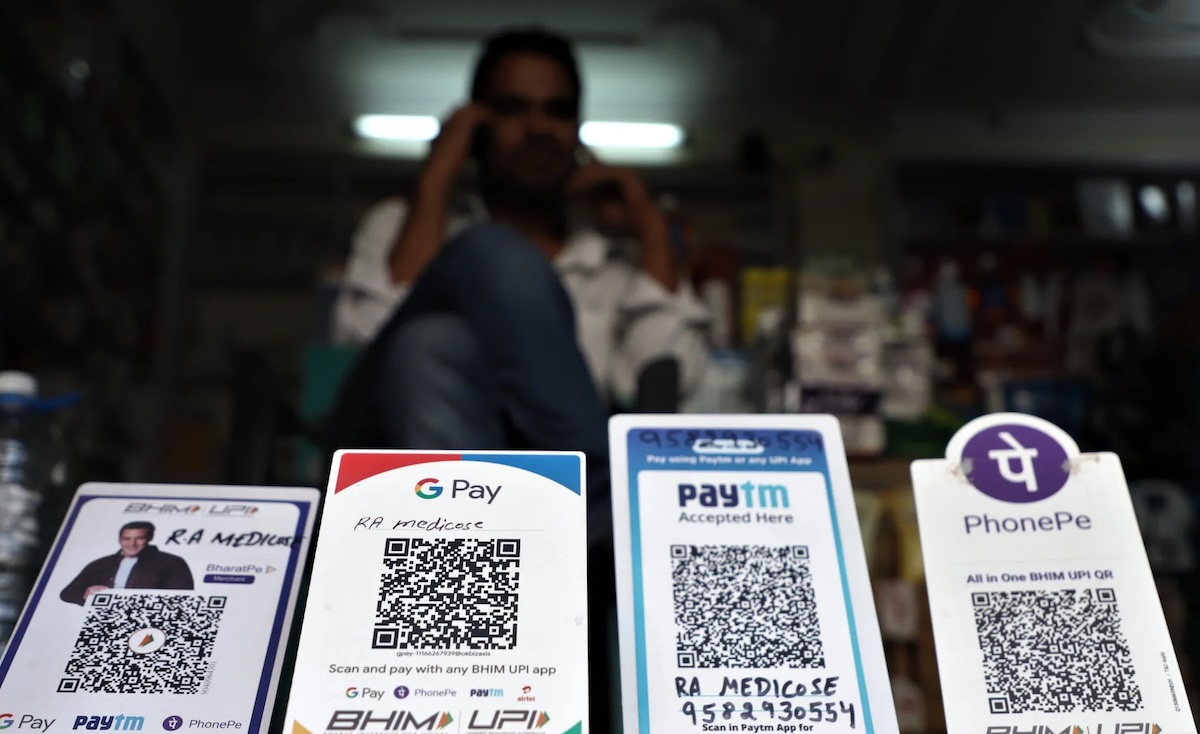
India has postponed a planned fee on certain business payments made through its Unified Payments Interface, or UPI. The charge was due to begin on October 15, but the National Payments Corporation of India (NPCI) says it will now take effect after Diwali. It has not announced a new date.
The delay follows objections from retailers and petrol-station operators, some of whom warned they could stop accepting larger UPI payments if the charge went ahead. The decision postpones the fee; it does not cancel it.
How the proposed fee works
The proposal is not a fee on every UPI transaction, nor is it a charge paid directly by customers under the announced plan. For example, the fee on an eligible ₹10,000 merchant payment would be ₹40 at the proposed 0.4% rate.
Why merchants pushed back
UPI has become central to everyday payments in India, in part because merchants have not had to pay transaction fees on standard UPI payments since 2020. Introducing a charge on eligible larger payments would add a cost for businesses that have built UPI into their checkout process. Doing so during the festive shopping season drew particular opposition.
The network’s scale also makes the decision significant. In September, UPI processed 24.07 billion transactions worth ₹29.37 trillion. Even a fee limited to some merchant payments could therefore affect a substantial part of the payments industry.
NPCI says the money collected would help participants pay for infrastructure, cybersecurity and fraud prevention. It has cited industry estimates putting UPI’s annual operating costs at about ₹200 billion. Merchants, meanwhile, must decide how to handle an added cost when the fee eventually begins.
For now, businesses have more time to prepare, and the existing arrangement continues through the festive period. The unresolved question is when NPCI will introduce the fee—and how merchants will respond once it does.


