
Moto Watch Ultra Launches With LTE, Wear OS 6 and Polar Health Tracking
Motorola is expanding its wearable portfolio with the Moto Watch Ultra, a premium smartwatch that combines cellular connectivity, a curved pOLED display and a broad range of health, fitness and software features.
The new model is positioned above Motorola’s existing smartwatch offerings and is designed for users who want more than basic notification support and step tracking. With LTE and eSIM support, the Moto Watch Ultra can handle calls, messages and notifications independently of a paired smartphone, while its dual-band GPS and Polar-powered health platform target fitness-focused users.
The Moto Watch Ultra starts at €429, or around $500, and will roll out in selected markets across Europe, the Middle East, Latin America, North America and Asia-Pacific in the coming weeks.
Curved pOLED Display and Stainless Steel Design
The Moto Watch Ultra features a 1.5-inch 2.5D curved pOLED display with a 466 x 466-pixel resolution. The panel supports a variable refresh rate between 1Hz and 60Hz, allowing the watch to reduce power consumption when displaying static content and increase responsiveness when users are navigating menus or tracking workouts.
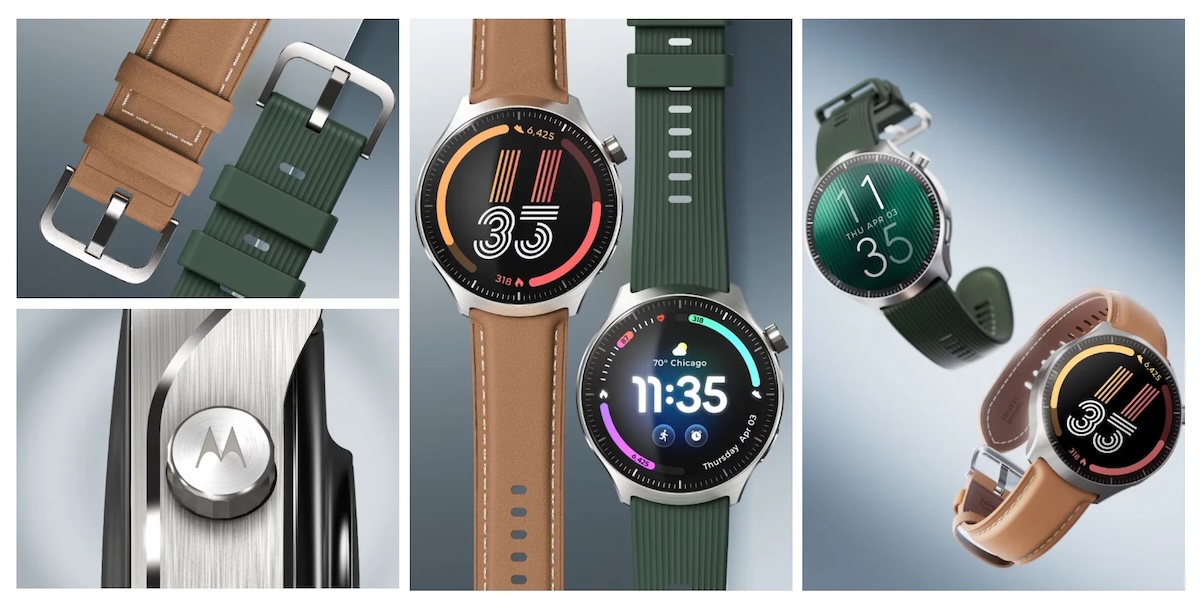
Motorola rates the display for up to 2,700 nits of peak brightness. That should improve readability in bright outdoor conditions, particularly during activities such as running, cycling or hiking.
The watch also supports an always-on display, allowing users to check the time and basic information without waking the screen. As expected, keeping the feature enabled will have an impact on battery life.
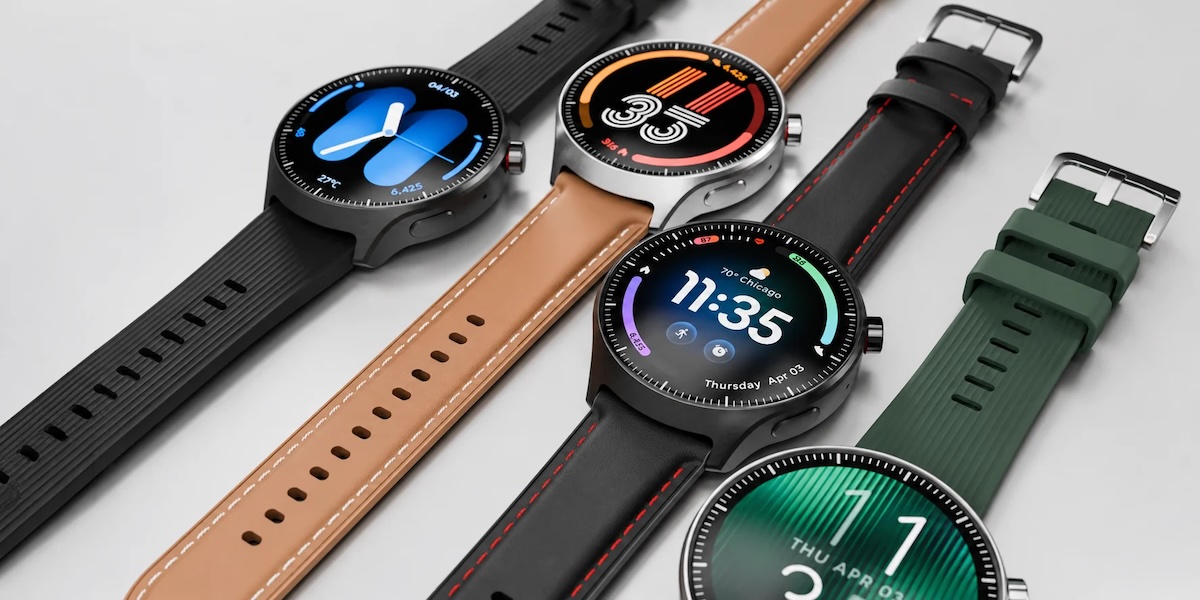
The display is protected by Corning Gorilla Glass 3, while the watch itself uses a 46.26mm stainless steel case. It measures 12.1mm thick and weighs 51 grams.
The Moto Watch Ultra carries both IP68 and 5ATM protection ratings. This means it is designed to handle dust, sweat, rain and water exposure, while its 5ATM rating also makes it suitable for swimming and water-based activities.
Snapdragon Chip and Wear OS 6
Motorola has equipped the Moto Watch Ultra with Qualcomm’s Snapdragon W5+ Gen 1 wearable platform. The chip is paired with Wear OS 6, giving the smartwatch access to Google’s software ecosystem and a more complete app experience than watches relying on lighter proprietary operating systems.
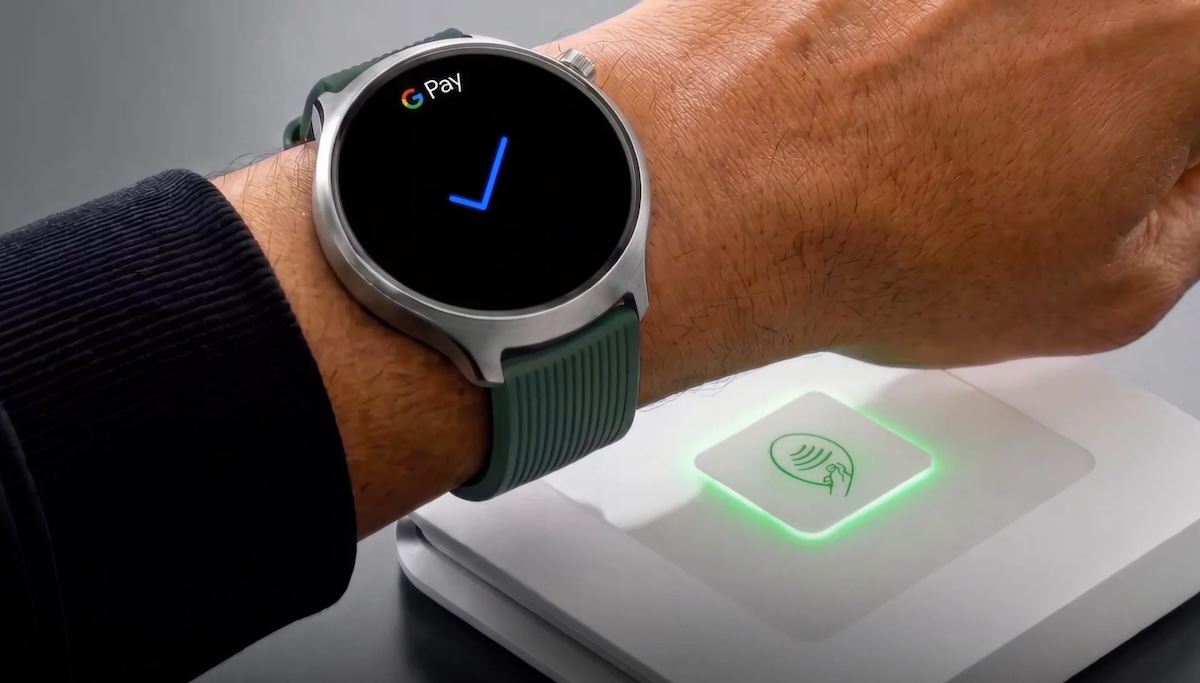
Users can download applications through the Google Play Store, including Google Maps, Google Messages and YouTube Music. The watch also supports Google Wallet for contactless payments and Google Gemini for AI-powered assistance.
Motorola is promising two major Wear OS upgrades for the Moto Watch Ultra. That commitment is important for a premium smartwatch, as software support affects access to newer features, app compatibility and security improvements over time.
The device also supports Motorola Qira on compatible Motorola and Lenovo products, expanding its role within the company’s wider device ecosystem.
LTE and eSIM Support Add Independence
The Moto Watch Ultra is Motorola’s first Moto Watch to include LTE and eSIM connectivity.
With cellular support, users can make and receive calls, send messages and view notifications without relying entirely on a connected smartphone. This could be especially useful during workouts, quick errands or outdoor activities where carrying a phone is inconvenient.
LTE functionality does depend on eSIM availability and carrier compatibility in each market, so users should confirm local support before purchasing the watch.
The smartwatch also includes dual-band GPS for navigation and activity tracking. Dual-band positioning is designed to provide more accurate location data, particularly in busy urban areas, dense forests or other environments where standard GPS signals can be less reliable.
Polar Health and Fitness Features
Motorola is using Polar algorithms to power the Moto Watch Ultra’s health and fitness experience.
The watch tracks sleep, activity, recovery and running data, while also offering several Polar-derived features designed to provide more useful context around daily wellbeing and workout readiness.
These include:
-
Serene, a guided breathing function intended to help users relax and manage stress.
-
Nightly Recharge, which analyses overnight recovery to help users understand how well their body has recovered from daily strain.
-
Sleep Plus Stages, which tracks sleep patterns and provides insight into different sleep stages.
-
Running and activity tools designed to support training, performance monitoring and recovery management.
The inclusion of recovery and sleep-focused tools suggests that Motorola is aiming beyond basic fitness tracking. Rather than simply recording steps and calories, the Moto Watch Ultra is intended to provide a broader picture of how users are sleeping, recovering and preparing for exercise.
Battery Life and Charging
Moto rates the Watch Ultra for up to two days of active use when the always-on display is turned off.
Battery life will naturally vary depending on LTE use, GPS tracking, display brightness, notifications, workout duration and the number of apps running in the background. Continuous GPS and cellular use are likely to have a more noticeable effect on endurance than standard smartwatch functions.
Motorola says that a 15-minute charge can provide up to 24 hours of active use. This rapid charging support could be particularly useful for users who forget to charge the watch overnight or need enough power for a day of notifications and activity tracking before leaving home.
Moto Watch Ultra Price and Availability
The Moto Watch Ultra starts at €429, which is approximately $500.
Motorola says the smartwatch will be released in selected markets across Europe, the Middle East, Latin America, North America and the Asia-Pacific region in the coming weeks. Exact availability, eSIM support and regional pricing may differ by market.
At its asking price, the Moto Watch Ultra enters a highly competitive premium smartwatch category. Its key selling points are its curved high-brightness display, stainless steel construction, Wear OS 6 software, LTE connectivity, dual-band GPS and Polar-powered health features.
The watch appears to be Motorola’s most ambitious wearable to date. It remains to be seen how it performs in everyday use, particularly in battery endurance, fitness-tracking accuracy and long-term software support, but the hardware and software package positions it as a serious premium alternative rather than a basic companion accessory.


