
Why Samsung is Resurrecting the Variable Aperture for the Galaxy S28 Series?
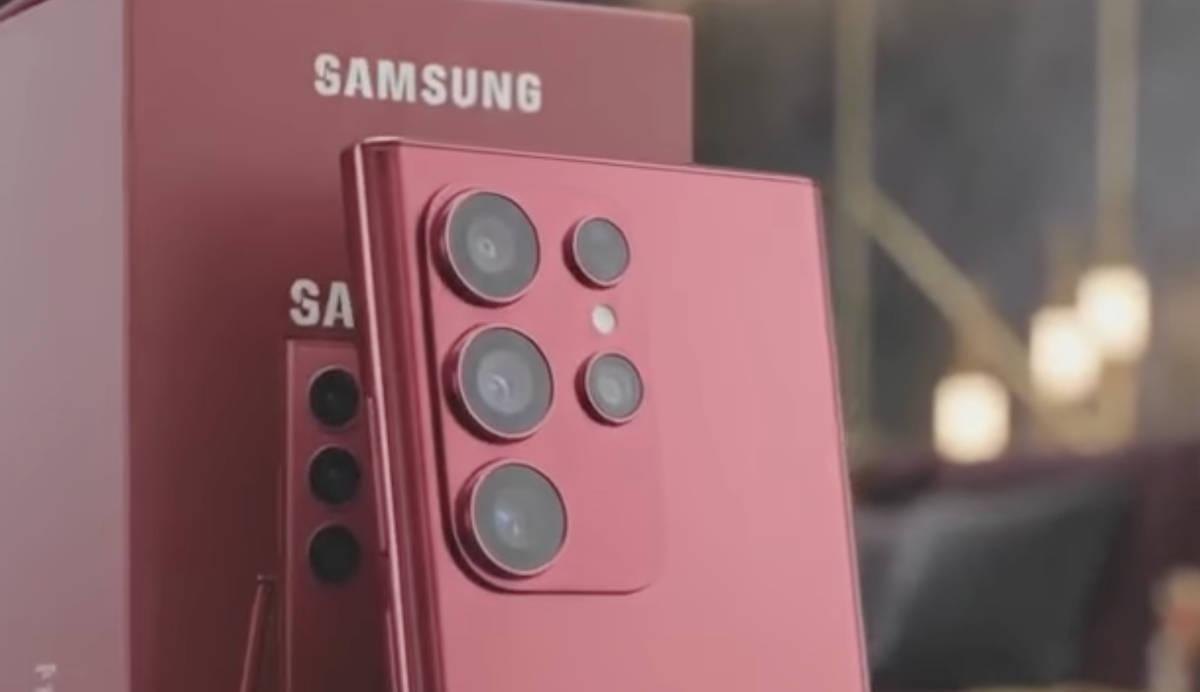
Seven years after abandoning mechanical variable apertures in favor of computational photography, Samsung appears ready to resurrect the technology for its future flagship smartphones. Driven by intensifying industry competition—most notably Apple’s recent adoption of the feature—new leaks suggest this advanced camera hardware will make its long-awaited return on the Galaxy S28 Pro and Galaxy S28 Ultra.
According to prominent technology leaker Yogesh Brar, the South Korean tech giant is actively developing variable aperture systems for its 2028 premium lineup. While early rumors initially pointed to the upcoming Galaxy S27 series as the launchpad for this revival, recent supply chain reports indicate the hardware was scrapped for the 2027 models due to concerns over increased production costs and added device thickness.
For smartphone photography enthusiasts, a mechanical variable aperture represents a significant leap in optical versatility. Unlike standard fixed smartphone lenses, a variable aperture uses physical blades to adjust the size of the lens opening. Opening the aperture wide allows more light to hit the sensor, resulting in superior low-light performance and a natural, optical background blur (bokeh). Conversely, stopping down to a narrower aperture prevents bright scenes from blowing out and provides a wider depth of field, keeping more of the frame in crisp focus.
Samsung is no stranger to this concept. The company famously championed a two-stop dual-aperture system on the Galaxy S9 and S10. However, by the time the Galaxy S20 launched, Samsung had pivoted entirely toward high-megapixel sensors and AI-driven software enhancements, leaving mechanical lens adjustments behind.
Today, the smartphone landscape has shifted back toward complex optics. Apple successfully deployed a variable aperture primary camera on the iPhone 18 Pro lineup earlier this year, setting a new hardware benchmark. Simultaneously, rival Chinese Android manufacturers are reportedly developing similar mechanisms paired with massive 200MP sensors. Apple’s successful integration largely explains Samsung’s renewed urgency to revisit the technology, ensuring it doesn’t fall behind in the premium camera arms race.
Brar noted that Samsung isn’t the only manufacturer exploring this hardware for future devices, adding a wry observation that to complete the ultimate flagship package, Samsung “just need[s] to add a bigger battery.”
Because the Galaxy S28 series is slated for an early 2028 release, Samsung’s internal hardware roadmap remains highly fluid and subject to change. Nevertheless, for Galaxy loyalists who have been holding out for a meaningful leap in physical camera hardware rather than iterative software tweaks, the S28 generation may finally deliver.


