
Huawei Watch GT 7 Pro review: an excellent smartwatch, but GT 6 Pro owners can wait
TESTED • OCTOBER 2026
A green ceramic bezel, HarmonyOS 7, a comfortable new strap, advanced health tracking and battery life you rarely have to think about. But how much has really changed compared with its predecessor?
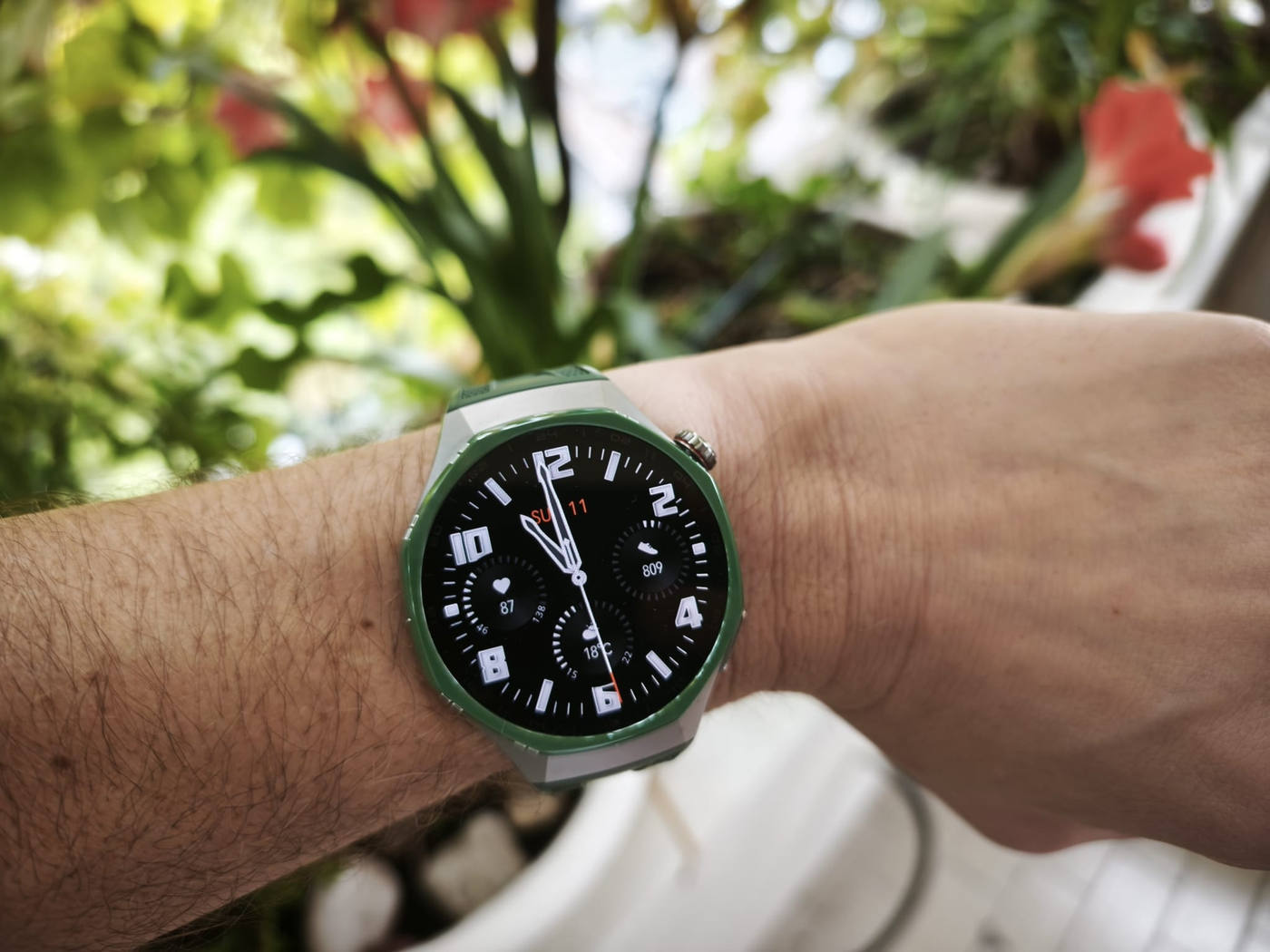
GT 7 Pro in green: understated in everyday use, eye-catching up close.
For several generations now, Huawei has managed to deliver what most people want from a smartwatch: a device that looks good, reliably tracks activity and health, and does not demand a charger every few days. The new Watch GT 7 Pro follows the same formula. I received the green version for testing, an appealing combination of sporty elegance, ceramic and titanium. Since I normally use the GT 6 Pro, I also had a very good starting point for comparing the two.
My first impression was excellent. The watch looks attractive, responds quickly and works without any trouble in everyday use. Yet once the initial excitement wears off, the most important question is not whether the GT 7 Pro is good — it certainly is — but whether it offers enough to make me replace last year’s GT 6 Pro. For now, my answer is no.
Design and build: green really suits it
Green is more than a small accent on the strap here. The prominent bezel surrounding the display is made from nanocrystalline ceramic, while the middle part of the case is made from a titanium alloy. This combination gives the watch a more refined appearance, and the green bezel works particularly well with the sporty strap. The ceramic bezel should not be confused with the rotating crown: the crown is the physical control on the side of the case, whereas the ceramic surrounds the display.
The GT 7 Pro is still a substantial, relatively large watch. Its case measures 45.6 mm across and 11.25 mm thick, and it weighs approximately 55.5 g without the strap. Those figures are almost identical to the GT 6 Pro, and from my own experience, the sense of size and weight has not changed significantly. Build quality remains at the level I have come to expect from Huawei’s Pro series.
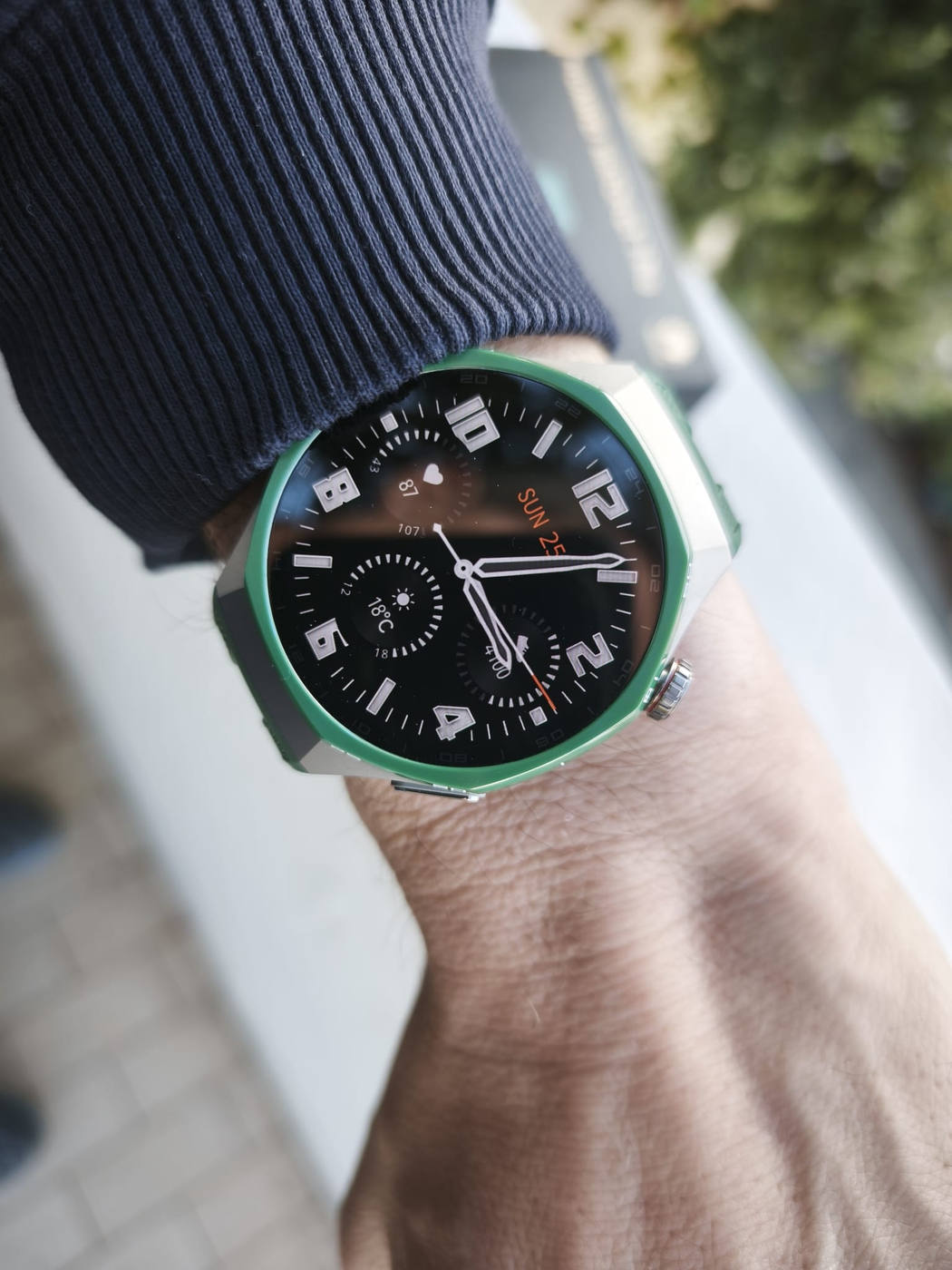
Green model with its ceramic bezel.
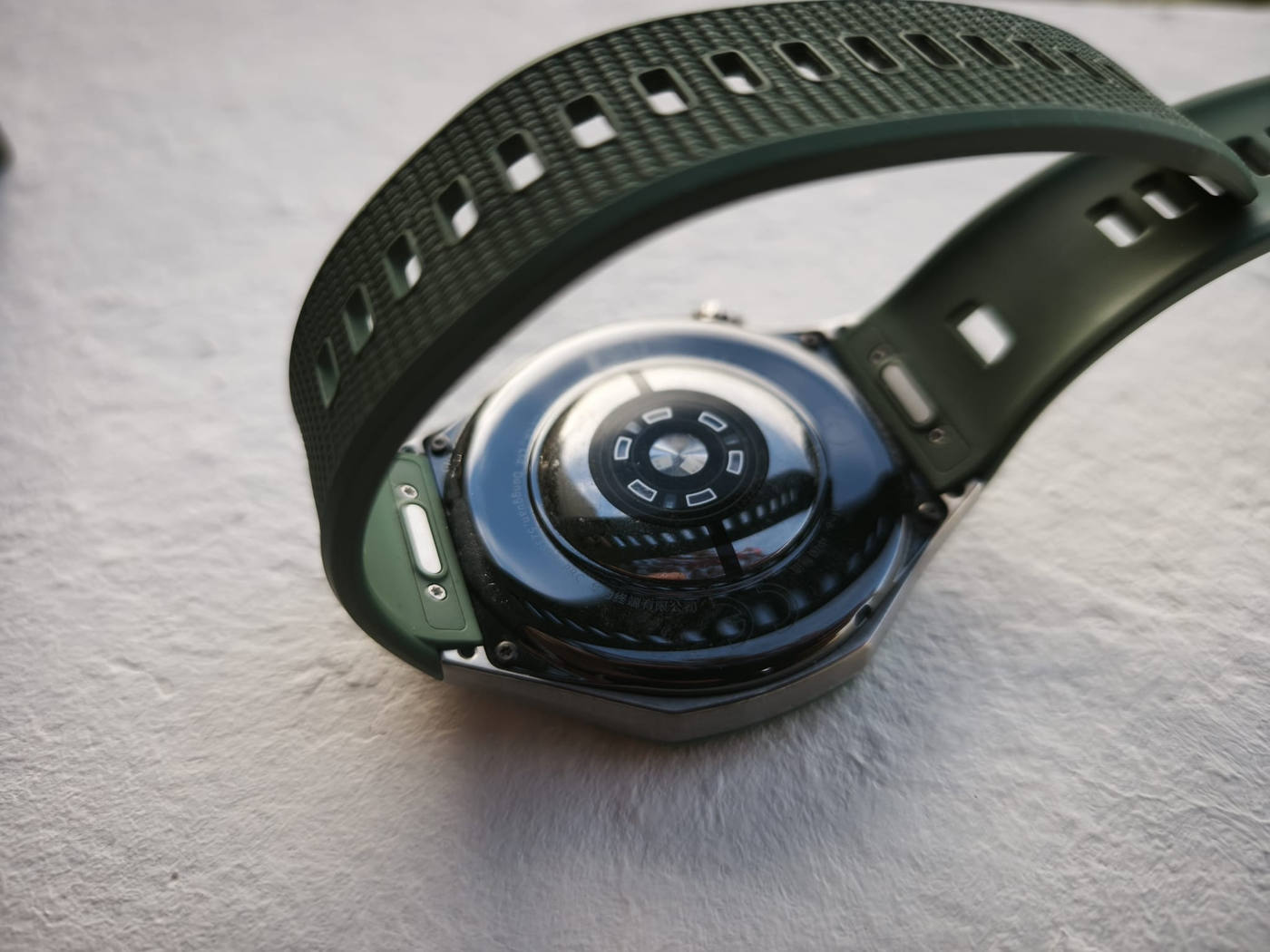
Underside of the case, showing the sensors and strap.
In addition to the green version tested here, the GT 7 Pro is available in yellow and black in certain markets. These are factory combinations of case colour and EasyCross strap; availability depends on the country. Of the options, I find green the most appealing: it is a little playful without becoming flashy.
EasyCross strap: practical, but it takes some getting used to
The new EasyCross strap is likely to catch your attention first. It is not made from ordinary silicone, but from fluoroelastomer, a durable synthetic material suited to sweat and water. It also fastens a little differently from a conventional watch strap: the loose end tucks underneath on the inside. That feels unusual at first, and it takes a few tries to work out the easiest way to tighten it.
Once you get used to it, the system works well and there is no loose strap end hanging outside the buckle. Now that the weather has cooled, I have found the watch comfortable to wear all day, including while sleeping. My only reservation concerns summer: when tightened firmly, the material and its contact with the skin might make it feel stickier in high temperatures or during sweaty activities. That is only an impression based on how it feels now, not the result of testing it in summer conditions.
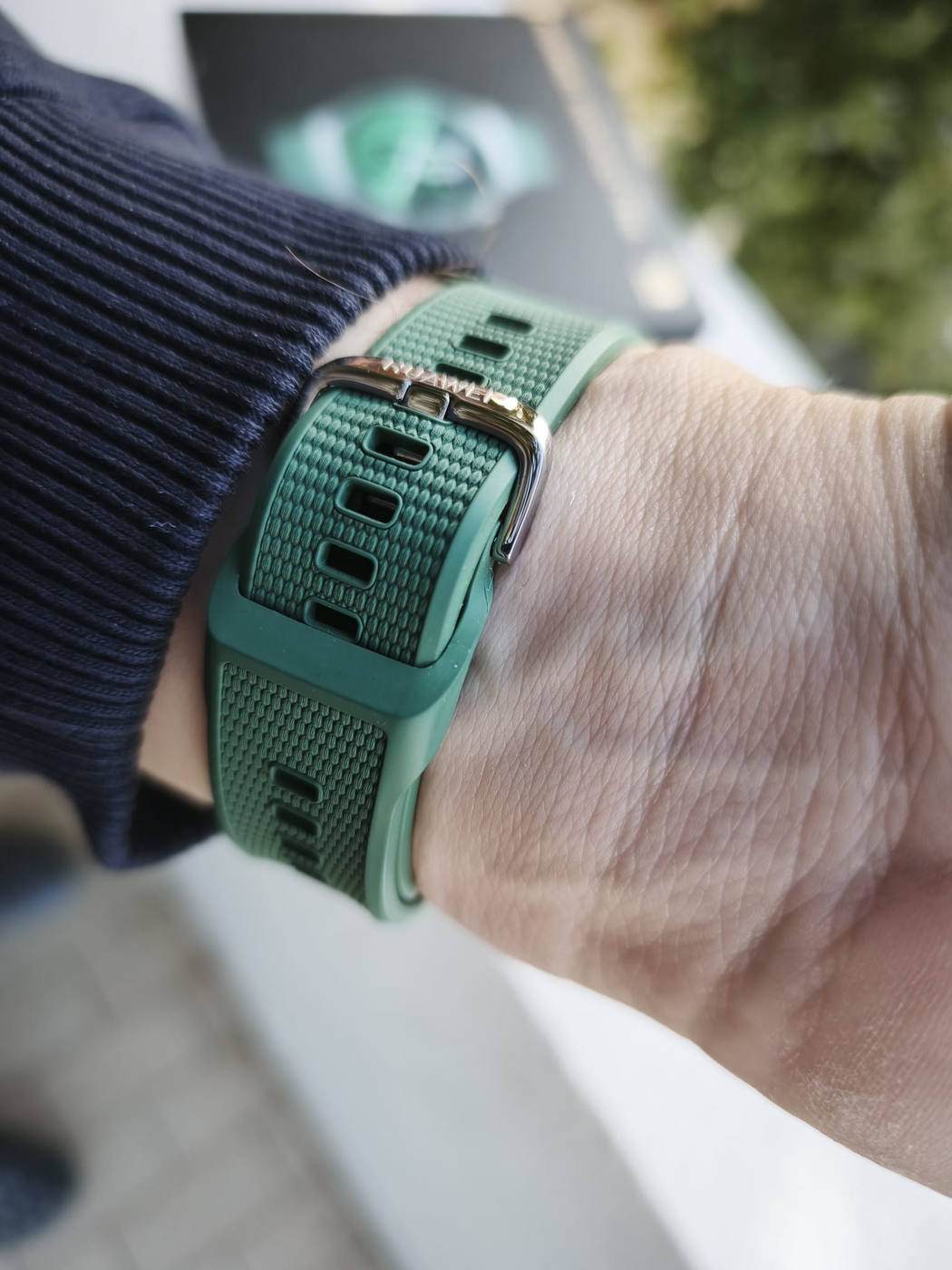
The EasyCross strap tucks its free end underneath: neat in practice, but different from a conventional buckle.
Display, controls and everyday features
The 1.47-inch AMOLED display, with a resolution of 466 × 466 pixels and a claimed peak brightness of up to 3,000 nits, is easy to read even outdoors. It is protected by sapphire glass. Thanks to the clear interface and rotating crown, navigating the menus is straightforward, and I noticed no lag or problems with responsiveness during testing. Naturally, enabling the Always On Display affects battery life, as I will discuss later.
Alongside notifications and basic controls, the watch supports Bluetooth calls, voice notes, music and offline maps for certain sporting activities. It works with both Android phones and iPhones, while NFC payments in Croatia are possible through the supported Curve Pay service. On the other hand, the GT 7 Pro is not a substitute for a fully featured smartwatch with an extensive app store or eSIM connectivity. Its strengths lie in health, sport and battery life rather than the sheer number of apps.
I particularly like the watch faces. The Huawei Health app offers a large selection of ready-made faces, while My Faces lets you use your own photos. There are plenty of free options, although additional paid faces are available as well. I like being able to change the look from one day to the next, from a traditional analogue style to a more informative sports layout.
HarmonyOS 7: a more polished interface and useful additions
During my test, the GT 7 Pro was running HarmonyOS 7.0.0.109, the new generation of Huawei’s smartwatch operating system that began arriving on global GT 7 series models in October. I have no complaints about its speed. Menus open immediately, scrolling is smooth, and switching between notifications, workouts and health data involves no unnecessary waiting. The interface is more polished, although the changes are not so dramatic that owners of the previous generation will need to relearn how to use their watches.
HarmonyOS 7 adds new lighting effects to watch faces and the recent-apps view, clearer workout records and a calculator, an option to add an Always On Display shortcut to the control centre, and an Audio Connect app for easier headphone control directly from the watch. Notes support text input, and Emotional Wellbeing gains additional visual themes. None of these changes is revolutionary on its own, but together they make the software feel more mature.
Athletes may be more interested in the expanded cycling analysis. The system offers a lactate-threshold estimate and a calculation of functional threshold power (FTP) based on virtual power. It is important to stress that the watch does not measure blood lactate concentration, nor does it replace a physical cycling power meter. These are algorithmic estimates that may help track progress, but they have limitations when it comes to precision training.
And what about the GT 6 Pro? That model originally shipped with HarmonyOS 6 and received updates to that branch during 2026, including version 6.0.0.188. Testing of HarmonyOS 7 for the GT 6 series began in China in late September, and a stable rollout was confirmed there on October 22. That does not mean the same update was available to every European user at that point: availability depends on the market and device. In other words, HarmonyOS 7 is not necessarily a software advantage that the GT 7 Pro will retain in the long term. The smaller choice of third-party applications compared with Wear OS watches also remains a compromise worth considering.
Health tracking: plenty of data and a good real-world experience
Along with battery life, health tracking is probably the most important part of the experience for me. The GT 7 Pro monitors heart rate, blood oxygen saturation (SpO₂), sleep, heart-rate variability (HRV), stress and several indicators of physical recovery. It also offers sleep-related breathing monitoring and guided breathing exercises. The new TruSleep 5.0 provides more detailed sleep analysis, while Physical Readiness attempts to combine sleep, activity, HRV and stress into a simpler daily indication of how ready you are for exercise.
The heart-related features are interesting too. The watch can record a single-lead ECG when you touch the electrode for about 30 seconds, and it can analyse pulse-wave irregularities using the optical PPG sensor, with alerts for possible atrial fibrillation (AFib). These are two different approaches: an ECG records the heart’s electrical activity when the user initiates a measurement, whereas pulse-wave analysis relies on optical heart-rate readings to identify potential irregularities. Availability of individual features may vary by country and software version.
In my experience, tracking heart rate, blood oxygen levels, sleep and the other enabled measurements worked consistently. I did not notice any obvious errors, implausible spikes or interruptions that interfered with daily use. That is a useful practical observation, but it is not the same as laboratory validation. Without comparisons against medical-grade devices, it would be wrong to claim that the readings are clinically error-free. Likewise, a normal reading on a smartwatch cannot rule out a heart condition, and any alert should be discussed with a doctor.
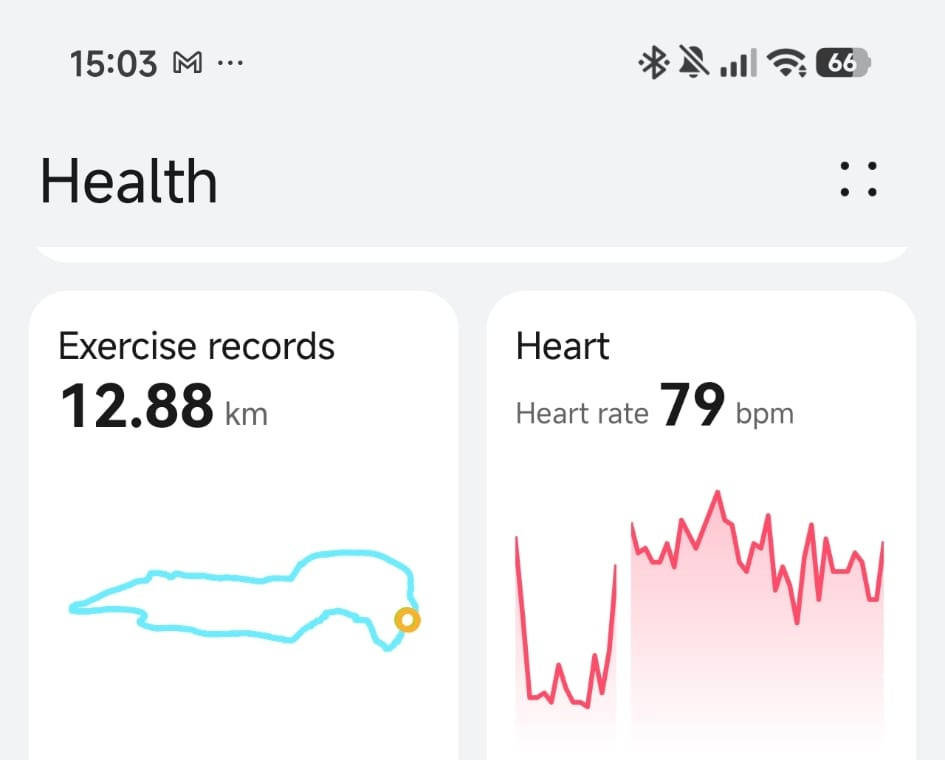
Huawei Health brings the main health metrics together.
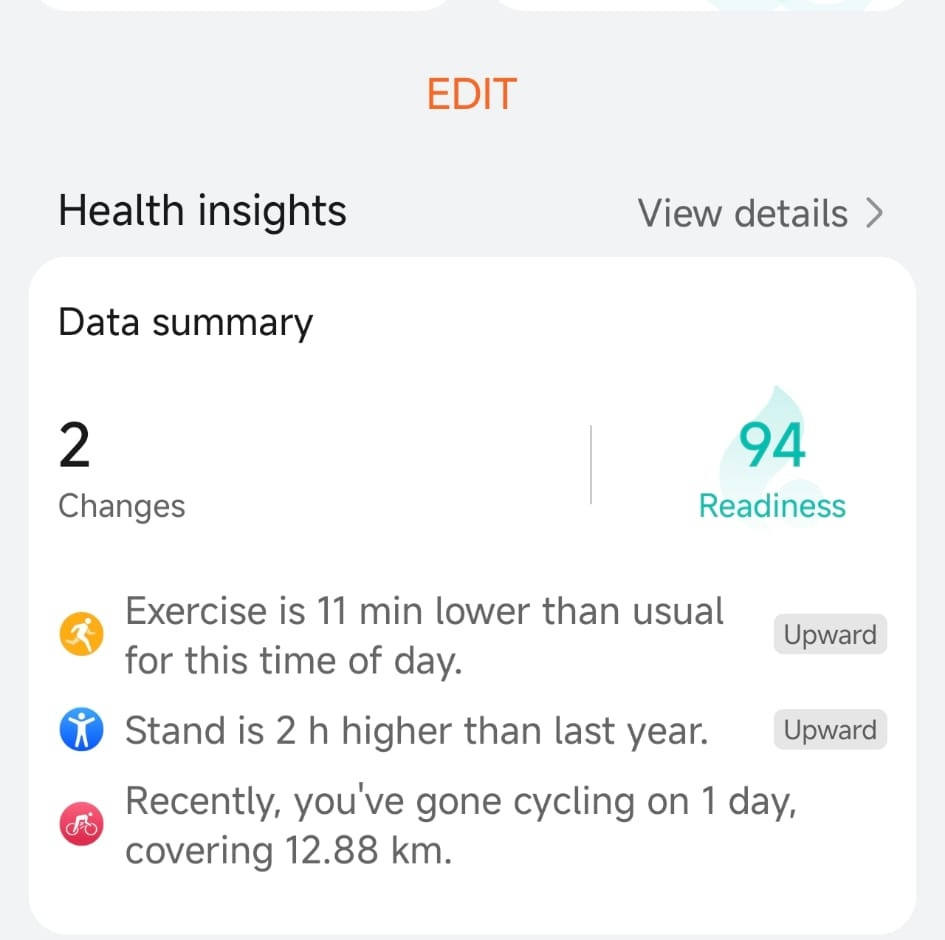
Physical Readiness score and recommendations based on the collected data.
The value of a watch like this goes beyond a single heart-rate reading. What matters more is looking at trends: the relationship between sleep and recovery, the length and quality of activity, and changes that recur over time. Huawei Health does a fairly good job of bringing that information together and presenting it in an understandable way.
Sport and GPS: excellent for daily activities, detailed for cyclists
The GT 7 Pro offers more than 110 workout modes, ranging from walking, running, cycling and swimming to golf, skiing and freediving. Common activities are quick to start, and after a session Huawei Health provides detailed graphs of heart rate, speed, duration, distance and other metrics. The watch uses multi-system satellite positioning, including dual-band GPS, and Huawei has improved its Sunflower positioning and route-processing algorithms.
During my bike rides, route recording and workout tracking worked very well. One of the attached records shows a 12.88-kilometre ride, with additional charts alongside the usual statistics. Compared with the GT 6 Pro, I have the impression that the GT 7 Pro counts steps more convincingly and recognises and tracks certain activities more consistently. However, I did not run a simultaneous comparison using both watches and a reference device, so this remains a user impression rather than proof of measurably higher accuracy.
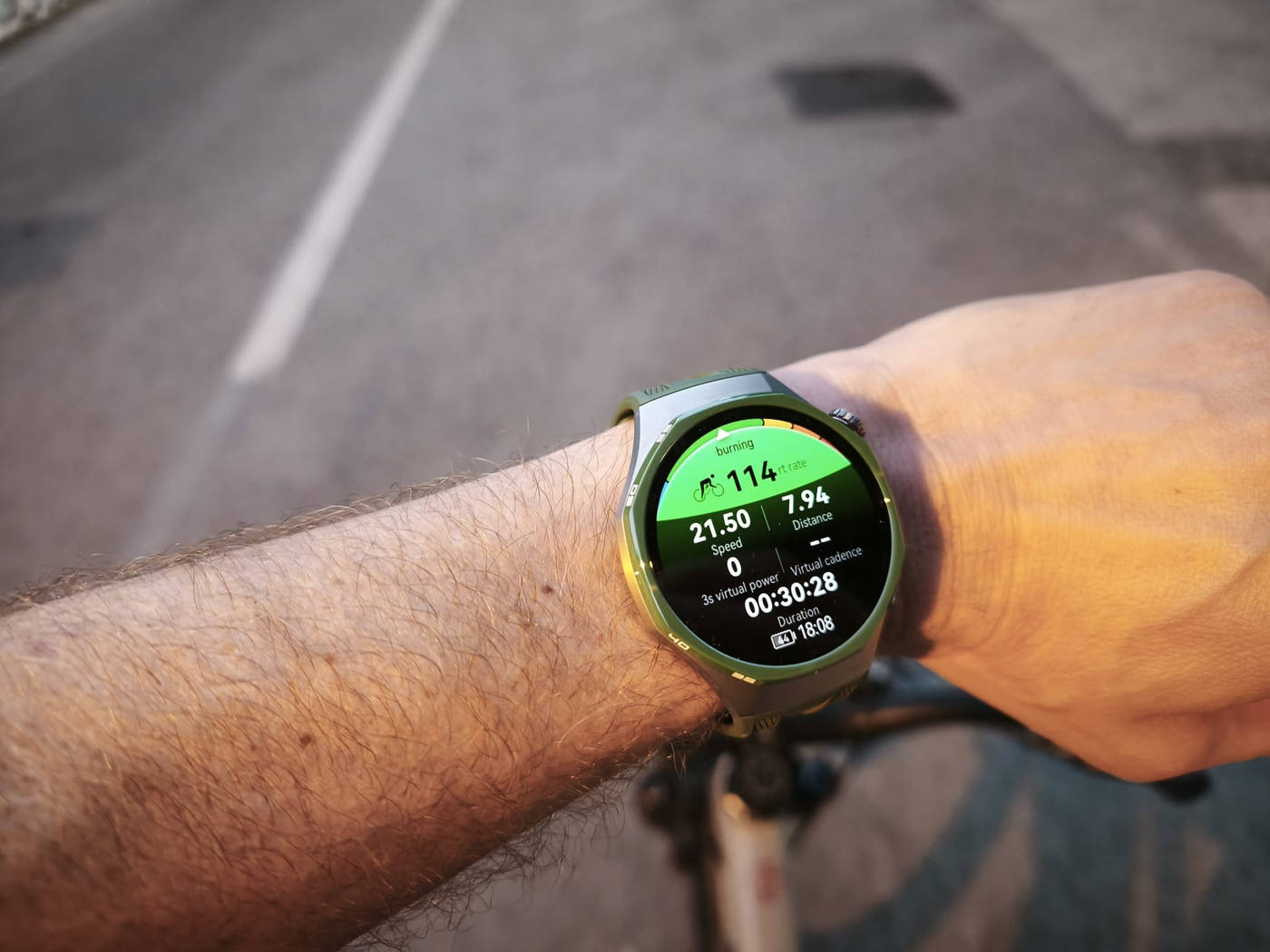
On the bike: the large, easy-to-read display makes checking data while riding convenient.
The cycling additions are particularly interesting: a preview of the climb profile before a ride, warnings about approaching gradients and sharp bends, and more detailed analysis of individual segments. The app also displays virtual cadence and virtual power. These are estimates derived from available sensor data, not replacements for a separate cadence sensor or a real cycling power meter. They provide useful guidance for recreational riders, but anyone training according to wattage should keep that distinction in mind.
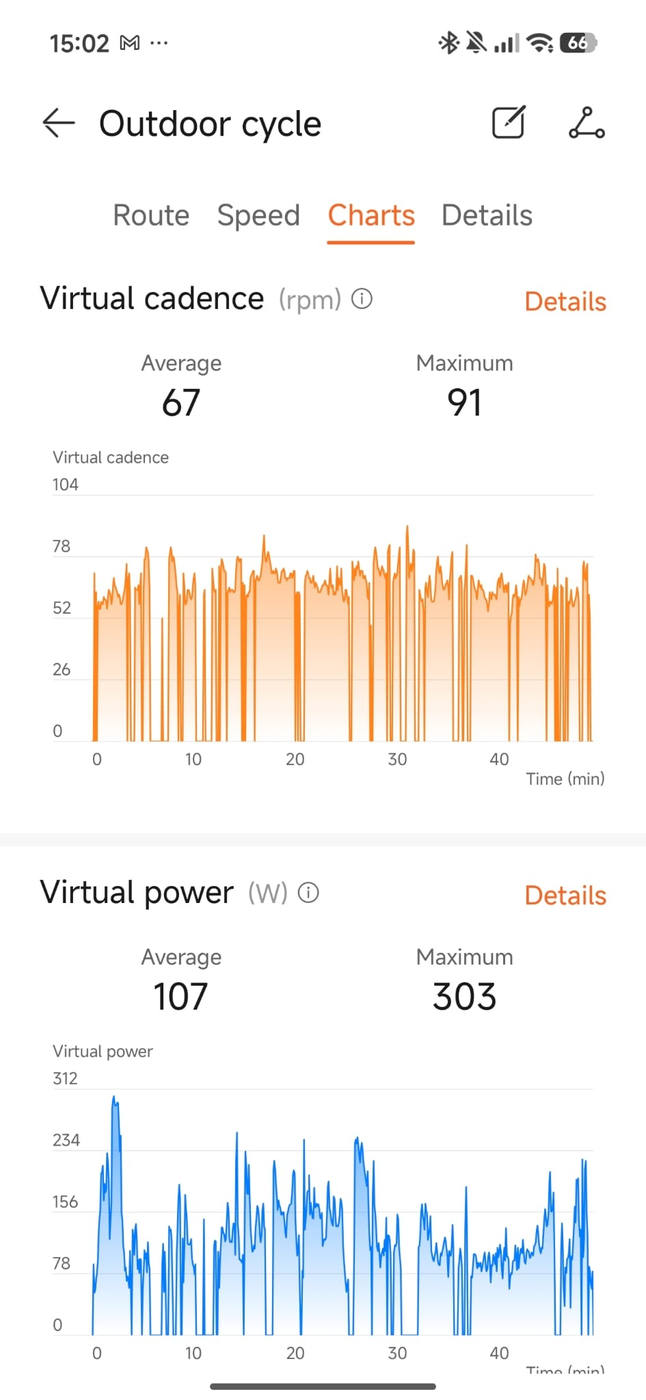
Huawei Health: virtual cadence and virtual power charts from a recorded ride.
Winter sports enthusiasts also get expanded skiing data, including turn analysis, G-forces, descent time and downloadable maps for more than 3,000 ski resorts. Golf, running and trail running have their own specialised metrics and maps. Taken together, these features make the watch feel far more like a serious sports companion than a simple step counter, although the advanced tools will be most valuable to people who regularly practise those particular sports.
Freediving: supported, but the cold sea limited my test
As you would expect from a Pro model, the GT 7 Pro retains freediving support down to a stated depth of 40 metres, in accordance with the applicable standard for diving equipment. It records depth, dive time and other basic information, and individual dives can be reviewed in the app. That does not mean it is designed for scuba diving or technical diving: Huawei explicitly rules out those uses.
I did at least try a very short dive. A record dated October 17 shows one dive to 2.1 metres, with nine seconds underwater. Everything was recorded correctly, including the seawater setting. Unfortunately, the water was simply too cold for a serious test of depth, dive duration or prolonged underwater operation. I therefore will not draw conclusions about the watch’s performance at greater depths based on just a few seconds in the sea.
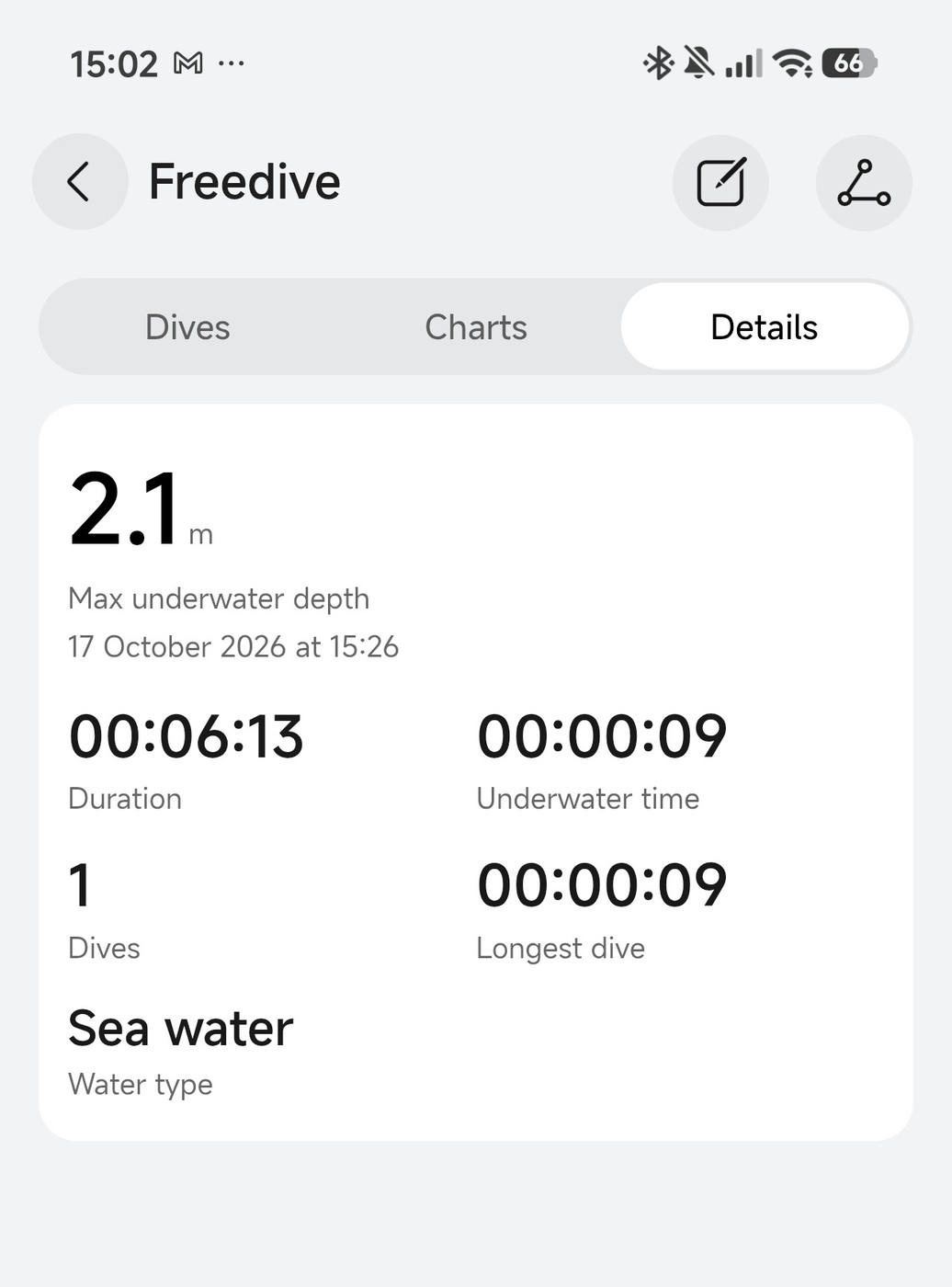
A brief freediving test: maximum depth 2.1 metres. The sea was too cold for a longer session.
Battery life: the biggest surprise, with an important caveat
If I had to single out one thing that makes the GT 7 Pro especially easy to love, it would be the battery. With continuous heart-rate monitoring, irregular-rhythm alerts, SpO₂ measurement, sleep and breathing monitoring, and the usual everyday features enabled, battery life reached approximately 25 days with my usage pattern. With the GT 6 Pro that I normally use, I would typically expect around 15 days. That is a difference I genuinely appreciate.
There is an important distinction, though. Huawei officially rates both watches for up to 21 days with light use, up to 12 days with typical use and roughly seven days with the Always On Display enabled. My approximately 25-day result is not the manufacturer’s claimed figure, nor was it obtained in an identical laboratory comparison. Battery life is heavily influenced by how often you use GPS workouts, the number of notifications, display settings and general usage. The result should therefore be read as my personal experience, not a promise that every GT 7 Pro will last that long.
Could HarmonyOS 7 deserve some credit for that result? It is entirely possible that management of background processes, scheduling of sensor measurements and other system optimisations contributed to its efficiency. I cannot confirm that, however. To attribute the difference between approximately 25 and 15 days specifically to software, I would need to test both watches in the same conditions, with identical settings and ideally the same HarmonyOS generation. Battery condition, GPS activity, notifications, charging habits and other hardware or user-related factors can also affect the outcome.
Charging was another pleasant surprise. In my use, the battery reached 100% after approximately 90 minutes on the charger. Huawei quotes around 95 minutes for a full charge in its official materials, and any difference will depend on the starting charge level and charging conditions. Either way, when a watch needs charging so infrequently and tops up relatively quickly, the battery almost stops being something you think about.
Huawei Health, workouts and watch faces: everything in one place
Most of the data collected by the watch ends up in Huawei Health, which remains the centre of the overall experience. It brings together daily health measurements, sleep analysis, trends, sports sessions, routes and training plans. Rather than simply listing numbers, the app compares data over time and turns it into clear charts, which are especially useful when you want to assess your progress or recovery.
Huawei also offers guided workouts, short stretching routines, running plans and content designed to encourage healthier habits. Some of this is free, while additional programmes are part of the Health+ subscription. A promotional three-month Health+ membership was also being advertised with the GT 7 Pro, although the terms and activation period should be checked before purchase. The same goes for watch faces: there is a very good free selection, but some of the more attractive designs cost extra.
GT 7 Pro vs GT 6 Pro: is it worth upgrading?
This comparison is particularly interesting because I am not coming from an old watch that lacks half the modern features. The GT 6 Pro already has a titanium case, a 1.47-inch AMOLED display, sapphire glass, ECG, arrhythmia monitoring, excellent sports tracking and a claimed battery life of up to 21 days. Even the external dimensions are almost identical. The GT 7 Pro is therefore not a revolutionary leap but a more refined version of an already excellent smartwatch.
| Case and display | Both: titanium-alloy case, 45.6 × 45.6 × 11.25 mm, 1.47-inch AMOLED / 466 × 466; the new model stands out with its ceramic bezel. | ||||||
| Strap | The GT 7 Pro introduces the EasyCross design, which tucks away the loose end, and eye-catching colour combinations. | ||||||
| Health | Both offer ECG and optical pulse-irregularity analysis; the GT 7 Pro highlights improved sleep algorithms and a Physical Readiness score. | ||||||
| Sport | The GT 7 Pro expands skiing features, cycling navigation and detailed metrics; the GT 6 Pro is already a very capable sports watch. | ||||||
| Software | GT 7 Pro tested on HarmonyOS 7.0.0.109; GT 6 Pro originally ran HarmonyOS 6, with a HarmonyOS 7 update confirmed for China in October 2026. Availability varies by region. | ||||||
| Battery, official | Both are rated for up to 21 days of light use, 12 days of typical use and seven days with Always On Display. | ||||||
| My experience | GT 7 Pro approximately 25 days; GT 6 Pro approximately 15 days, depending on settings and usage. |
In everyday use, the new watch feels a little more polished, and the green version’s design might be the biggest reason I would happily keep it on my wrist. Battery life is also better with my routine, although I cannot yet say how much of that advantage comes from software. The GT 6 series is receiving HarmonyOS 7 too, albeit with regional differences in availability for now. GT 6 Pro owners will not suddenly be missing essential health features, sports modes or a high-quality display. If I were buying a watch from scratch today, the GT 7 Pro would be an excellent choice. Since I already have the GT 6 Pro, I would not replace it just because a newer generation has arrived.
Price and verdict
The GT 7 Pro has a recommended retail price of €429 in Croatia. During a promotional period running from September 21 to October 31, 2026, it was advertised at €389. That is a substantial amount of money, but you get a very well-made smartwatch with advanced health tracking, extensive sports features and battery life that is among its strongest selling points. If you are used to charging your watch every evening, the difference in everyday convenience will be considerable.
The Huawei Watch GT 7 Pro impressed me. I particularly like the green ceramic bezel, which gives it a modern appearance. The whole watch is comfortable to wear in cooler weather, its health functions and workout tracking have worked reliably in my conditions, and I almost forget about its battery. The new strap may not be ideal for everyone, and I still need to try it during a proper summer as well as carry out more extensive freediving tests. Overall, however, my impression is extremely positive.
Verdict: The GT 7 Pro is an excellent choice if you are buying a new Huawei smartwatch. But if you already own the GT 6 Pro, the improvements are not yet significant enough to justify an upgrade. I would wait for the next generation.


