
iPhone Duo $999 Risk? The Thinner Screen Crease Sparks Durability Concerns
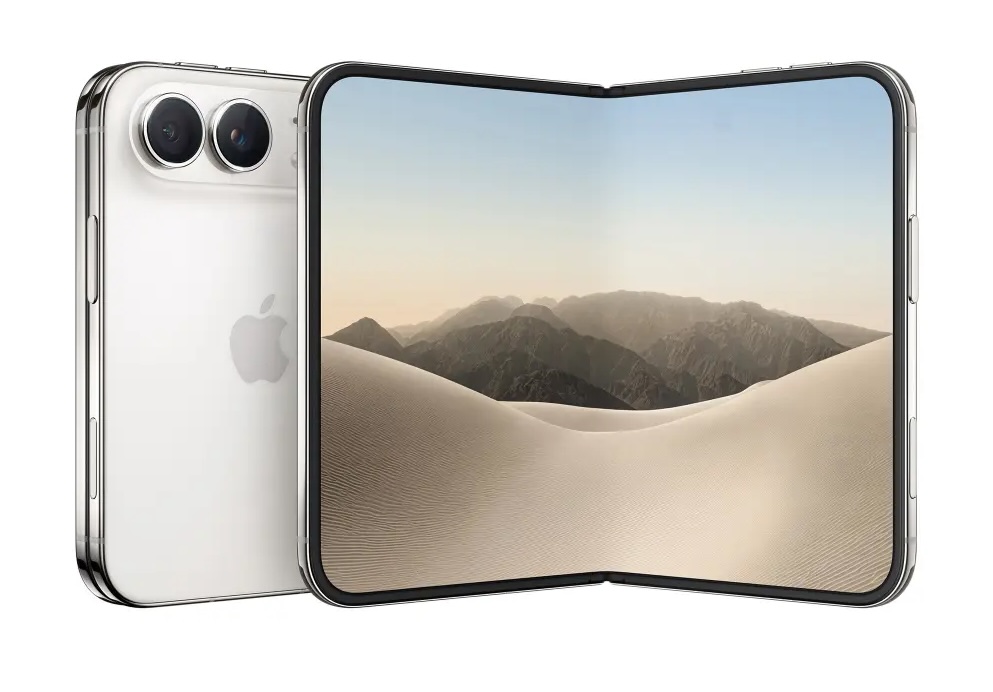
Apple’s first foray into the foldable smartphone market, the iPhone Duo, takes a novel approach to the notorious display crease by utilizing a specialized matte screen coating. However, a recently surfaced hands-on video has revealed a potentially concerning structural quirk in the new device.
Weibo user Kang—amplified by prominent leaker Ice Universe—shared footage demonstrating that the screen area directly on and immediately surrounding the hinge feels exceptionally soft compared to the rest of the folding display. According to the poster, this unsettling flexibility is not an isolated defect limited to a single pre-release unit, but rather a consistent characteristic of the device’s design.
The Cost of a Hidden Crease: Variable Display Thickness
The root cause of this localized softness likely lies in the panel’s engineering. Previous supply chain rumors suggested that the iPhone Duo employs a display with variable thickness, deliberately thinning the material directly above the hinge mechanism. While this structural compromise successfully minimizes the visual prominence of the crease, it directly explains the lack of tactile resistance under the user’s finger.
BREAKING!A shocking new discovery about the iPhone Duo’s foldable display!
According to Weibo user Kang, the screen around the iPhone Duo’s crease is surprisingly SOFT to the touch. When pressed with a finger, the surface can even develop visible WRINKLES!
This is something we’ve never seen mentioned in previous reviews of foldable phones.
Even more interesting, Kang claims this behavior is common across multiple units.
Could this be related to Apple’s rumored variable-thickness ultra-thin glass (UTG), with a thinner central folding region and thicker surrounding areas?
If so, Apple may have adopted a radically different approach to managing stress around the fold.
The engineering behind this display could be far more interesting than we initially thought.
Source: Weibo user @Kang (hands-on testing and video)
— Ice Universe (@UniverseIce) October 20, 2026
This design choice raises significant durability questions, particularly in light of the device’s exorbitant repair costs. Replacing the iPhone Duo’s folding screen without an active AppleCare Plus plan will cost a staggering $999. For context, repairing the inner display of its primary competitor, the Samsung Galaxy Z Fold 8, costs a much more palatable $419.
Long-Term Durability Concerns
The softer hinge area leaves potential buyers wondering if that specific section of the screen will be more susceptible to permanent fingernail scratches or pressure damage over time. Furthermore, the thinned material poses potential risks for long-term usage in freezing climates, where foldable OLED panels historically suffer from reduced flexibility and shortened lifespans.
By comparison, the current Galaxy Z Fold 8 does not exhibit a soft central crease. While Samsung’s foldable does feature softer screen corners, the South Korean tech giant previously clarified that this was an intentional protective measure against drop damage, leaving the main folding axis as rigid as the rest of the panel. Time will tell if Apple’s aggressive crease-reduction strategy will compromise the iPhone Duo’s everyday durability.


