
Planning to Buy the iPhone Duo? Expect Long Shipping Delays Due to Supply Shortages
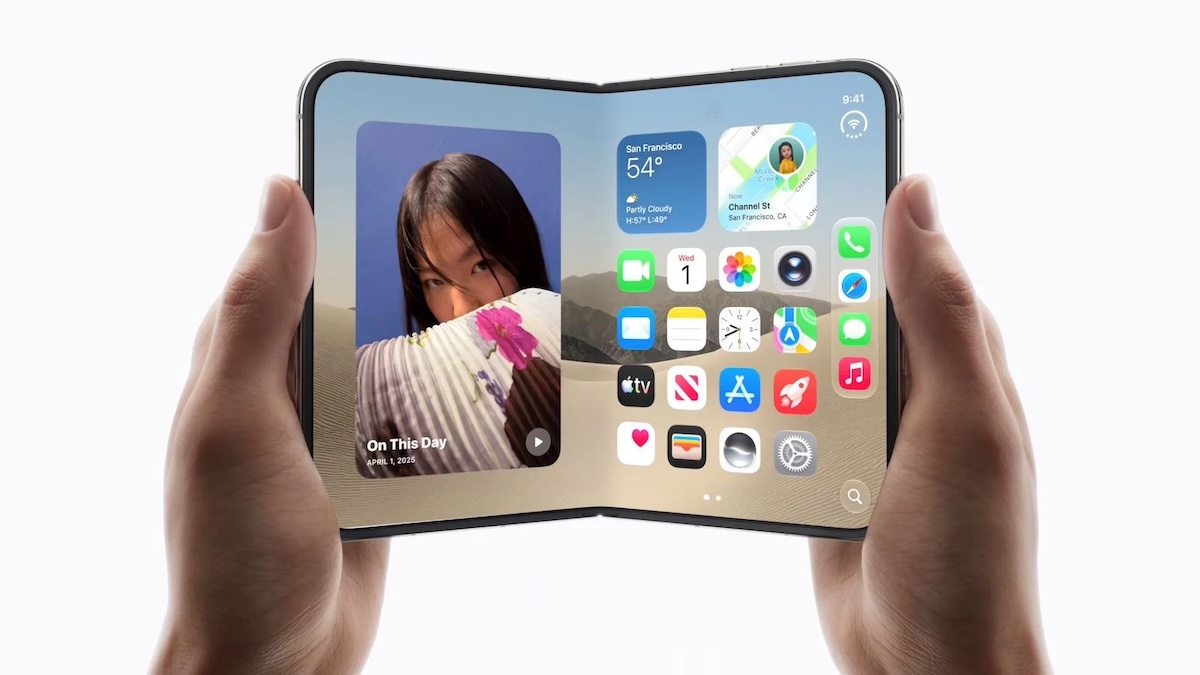
Apple’s relentless standards for product perfection are colliding with the intricate realities of foldable smartphone manufacturing. As the October 16 pre-order date for the newly unveiled iPhone Duo approaches, reports from within Foxconn’s supply chain indicate that final assembly yield rates stood at just slightly above 60% as of mid-September. Under Apple’s uncompromising quality requirements, industry insiders estimate it could take anywhere from six months to a full year for production lines to achieve mature, cost-effective efficiency.
The manufacturing friction stems from both assembly complexities and upstream component bottlenecks. According to reports from Chinese outlet Jiemian News, Foxconn engineers are continuously recalibrating assembly equipment and line configurations to handle the device at scale. Meanwhile, upstream suppliers are facing their own hurdles: Samsung Display has reportedly struggled with low yields and delivery delays for the foldable OLED panels, while the device’s intricate hinge mechanism—a 100-plus component structure featuring a 3D-printed cover—has undergone late-stage design revisions after initial testing with Liquid Metal alloys.
These compounding delays leave final assembly lines with precious little time to fine-tune operations. The pressure has grown so severe that at least one contract manufacturer has asked Apple to make a strategic choice: compromise slightly on defect thresholds to boost immediate output, or maintain strict quality control at the expense of higher scrap costs and lower yields.
Reflecting these production realities, Apple has set a conservative initial distribution footprint. Global supply targets for the iPhone Duo in 2026 are projected between six and eight million units—a fraction of the 20 to 30 million units typically shipped during a standard iPhone Pro model’s product cycle.
Whether Apple will relax its quality parameters to accelerate volume remains to be seen, but for now, the tech giant appears willing to absorb lower launch quantities rather than risk hardware defects on its first-generation foldable.


