
iPhone Ultra May Use Touch ID Instead of Face ID, iOS 27 Beta Code Suggests
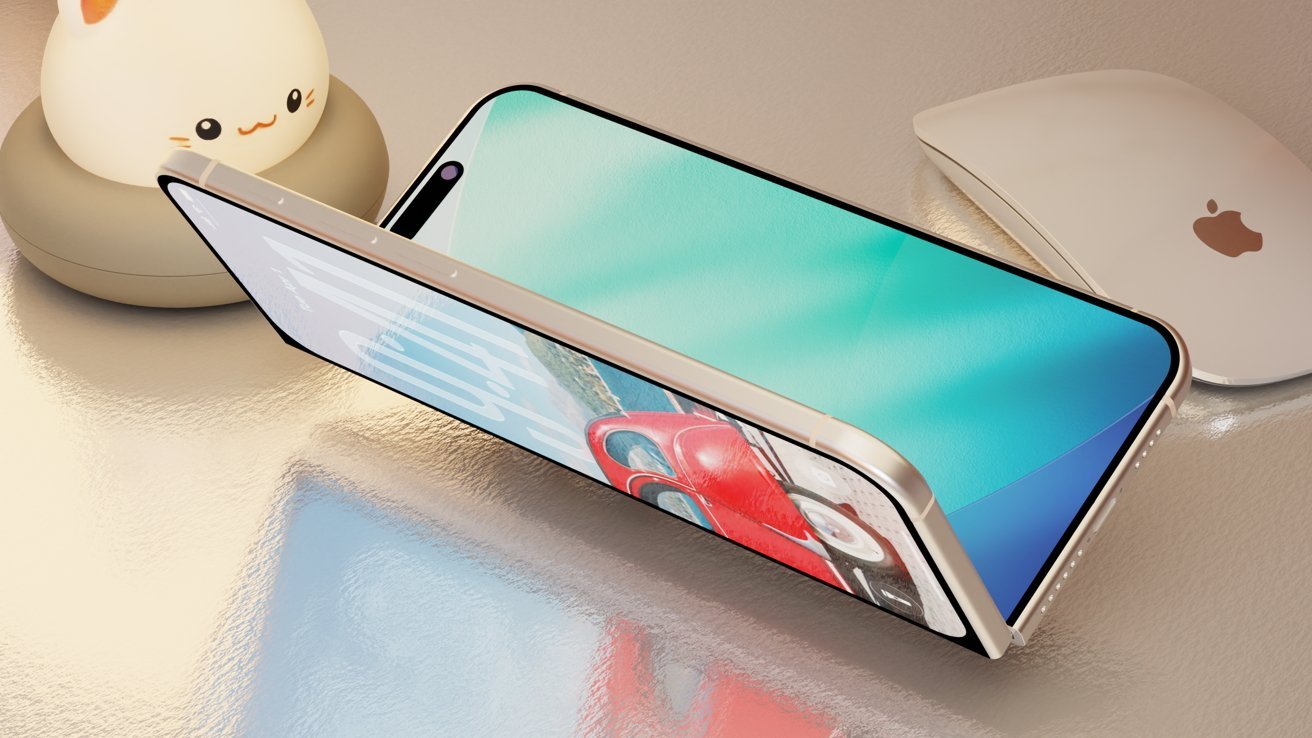
Apple’s long-rumored foldable iPhone Ultra may rely on Touch ID rather than Face ID, according to newly discovered references in the iOS 27 beta. The finding supports earlier speculation that the device’s ultra-thin chassis could leave insufficient room for Apple’s Face ID hardware.
Although Apple has not confirmed the iPhone Ultra or its authentication system, the code reference is among the clearest indications so far that the company could bring Touch ID back to the iPhone in a new form.
iOS 27 code points to Touch ID and Ultra Wideband
The relevant code was reportedly found in an iOS 27 beta build by developer and code researcher “pdfu.” It appears in a section related to Apple’s Car Key functionality and includes a localization string referring to an iPhone with both Touch ID and Ultra Wideband (UWB) support.
The discovery is significant because current iPhone models equipped with UWB technology use Face ID rather than Touch ID. While the reference does not explicitly name the iPhone Ultra, it suggests Apple is preparing software support for a future iPhone that combines UWB connectivity with fingerprint authentication.
Touch ID has appeared in Apple’s wider hardware portfolio in recent years, but not in a flagship iPhone since the iPhone SE line. Apple introduced Face ID with the iPhone X in 2017 and has used it as the standard biometric system across its premium iPhones ever since.
iOS 27 seems to confirm that the foldable iPhone will use Touch ID. #AppleEvent
Beta 4 added Car Key localization strings for an iPhone that supports Ultra Wideband and Touch ID.
All existing iPhone models with an UWB chip, starting with iPhone 11, use Face ID. pic.twitter.com/PsRXTRYpLg
— pdfu (@itspdfu) September 7, 2026
Thin foldable design may force a change
Reports have repeatedly suggested that Apple’s foldable iPhone will prioritize an exceptionally thin body. A book-style folding design already requires complex internal engineering, including dual displays, a hinge mechanism, battery components and cameras.
Adding the full Face ID system — which includes several sensors used for facial recognition — could create further space constraints. A side-mounted Touch ID sensor integrated into the power button would be a practical alternative, allowing Apple to maintain biometric authentication without adding a display notch, pill-shaped cutout or larger bezel.
Apple has already used this approach on several iPad Air models. By placing Touch ID inside the sleep/wake button, Apple was able to remove the traditional Home button and maximize screen space while keeping fingerprint authentication available.
A familiar solution for Apple
The iPad Air demonstrated that Apple can integrate Touch ID into a slim side button without compromising convenience. The system allows users to unlock the device, authenticate purchases and verify passwords with a finger placed naturally on the power button.
For the iPhone Ultra, the same method could be particularly useful. A foldable device needs to work in both open and closed positions, and a power-button fingerprint sensor could remain easy to access regardless of how the phone is being used.
The trade-off is that Touch ID may be seen as older technology compared with Face ID. That could be especially notable if the iPhone Ultra becomes Apple’s most expensive iPhone ever. Buyers may be asked to pay a premium price for a device that uses a biometric system Apple moved away from on its high-end phones years ago.
What it could mean for buyers
Touch ID would not necessarily make the iPhone Ultra less secure or less useful. It could offer faster, more deliberate unlocking in certain situations, particularly when the device is held at unusual angles or used while folded.
However, it would also mark a major change in Apple’s flagship iPhone strategy. The company has spent nearly a decade building Face ID into the iPhone experience, and replacing it on a premium foldable model would show that thinness and design flexibility take priority over keeping the same authentication hardware across every product.
Apple is expected to reveal more about the iPhone Ultra on September 9, 2026. Until then, the iOS 27 beta code should be treated as strong evidence of a possible direction rather than final confirmation of the device’s specifications.


