
iPhone 18 Pro Defies Price Hikes to Become India’s Top Status Symbol
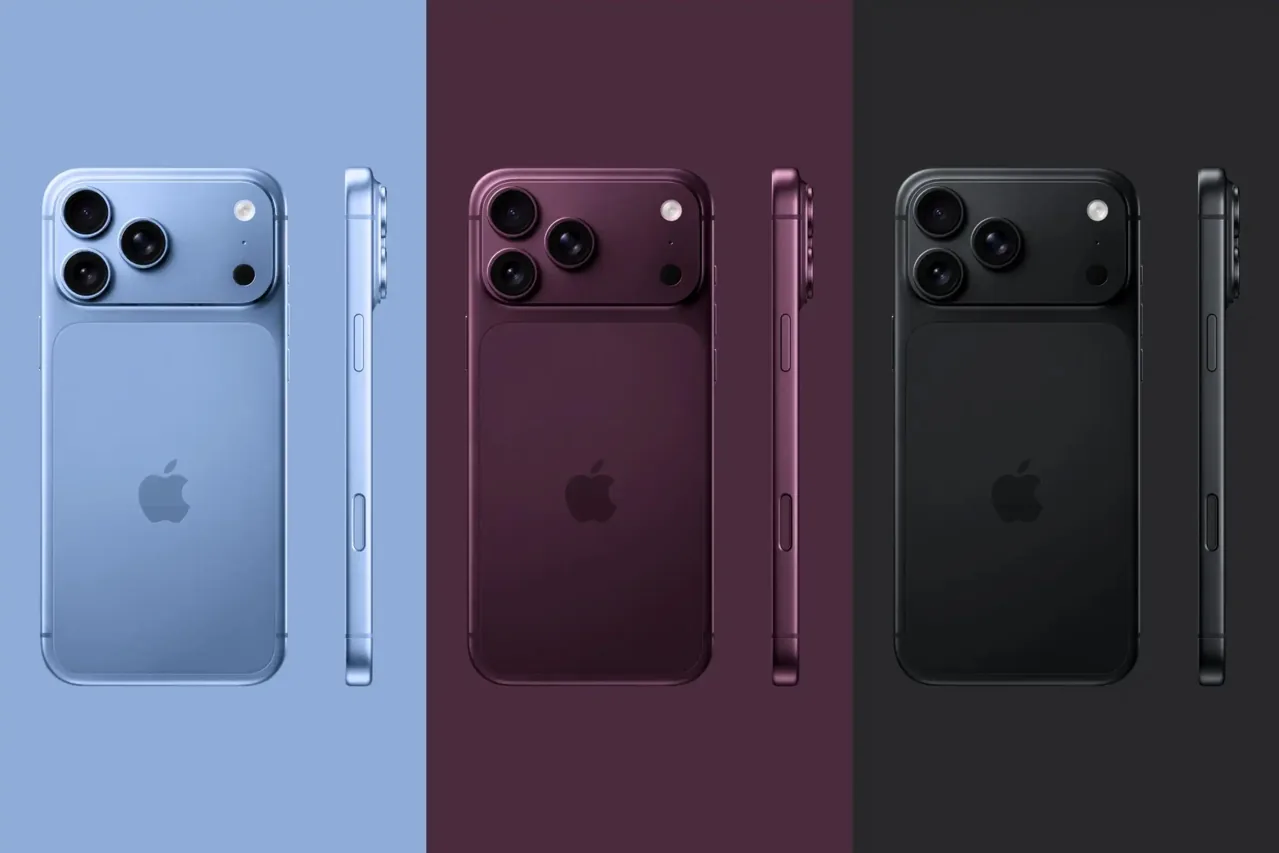
Apple’s more expensive iPhone 18 Pro models appear to be finding an eager audience in India. Early sales-channel checks suggest demand for the Pro series is nearly 20% higher than for the iPhone 17 series at the same point last year, even as higher prices and the absence of a standard iPhone 18 at launch raise questions about sales elsewhere.
The figure is an early demand estimate, not a final sales result. Still, it helps explain why Counterpoint Research director Tarun Pathak expects Apple to reach 10% of India’s smartphone market by unit volume in 2026. That would be its first double-digit share across a full calendar year, up from 4% in 2022.
Long queues for a premium phone
When the iPhone 18 Pro and Pro Max went on sale on September 18, customers queued outside Apple stores in Mumbai, Delhi and Bengaluru. Some reportedly waited more than 10 hours, while others travelled from smaller cities to buy the new phones. Customers interviewed at the stores suggested that owning the latest iPhone mattered more to them than any particular new feature.
That appeal has persisted despite a high entry price. The iPhone 18 Pro starts at 164,900 rupees in India—about $1,700 at the conversion cited in the report. IDC India researcher Upasana Joshi said higher pricing could reinforce the iPhone’s image as a premium, aspirational purchase, although she cautioned that the pace of demand growth could ease.
Financing also plays a part. Interest-free monthly payment plans and student offers lower the amount buyers need to pay upfront. Pathak described these options as a way of narrowing the gap between wanting a premium phone and being able to afford one.
Growth in a competitive market
India remains a market led largely by Chinese smartphone brands and Samsung. According to figures cited in the report, Vivo held the largest share at roughly 18%, while four of the country’s five leading brands in the June quarter were Chinese. Rising chip costs have put particular pressure on cheaper phones, contributing to price increases and weaker entry-level sales.
Apple’s position has strengthened over a longer period. IDC figures show that 14.4 million iPhones were sold in India in 2025, a 16% increase from the previous year. Apple’s shipments fell in the June 2026 quarter for the first time in more than four years, but analysts attributed that decline mainly to supply shortages and inventory constraints. IDC data showed Apple and Samsung gaining market share that quarter while most Chinese brands lost ground.
Strong launch interest does not guarantee sustained sales. Buyers’ response to the Pro models over the coming months will offer a clearer picture of whether Apple can turn early demand into the full-year market-share gain Counterpoint forecasts.
Manufacturing offers opportunity and risk
India matters to Apple as a manufacturing base as well as a sales market. The country has considered extending tax exemptions on manufacturing machinery and certain imported components, but the extension described in an August report was still a proposal, not an approved new measure.
Apple supplier Tata has also faced separate challenges. Authorities investigated allegations of water contamination linked to one of its iPhone component facilities; Tata said an earlier regulatory case had been dropped. In a separate incident, Tata Electronics acknowledged a cybersecurity breach but said its operations were unaffected. Reporting about documents allegedly taken in the attack had not established that all the leaked material was authentic.
Those issues may affect Apple’s supply chain, but the available reporting does not establish that they have changed iPhone 18 demand in India. Likewise, reports that Apple has been working toward an Apple Pay launch should not be treated as a confirmed launch date or as evidence that the payment service is driving current phone sales.


