
iPhone 18 Pro vs. iPhone 17 Pro: Is the Worth the Upgrade?
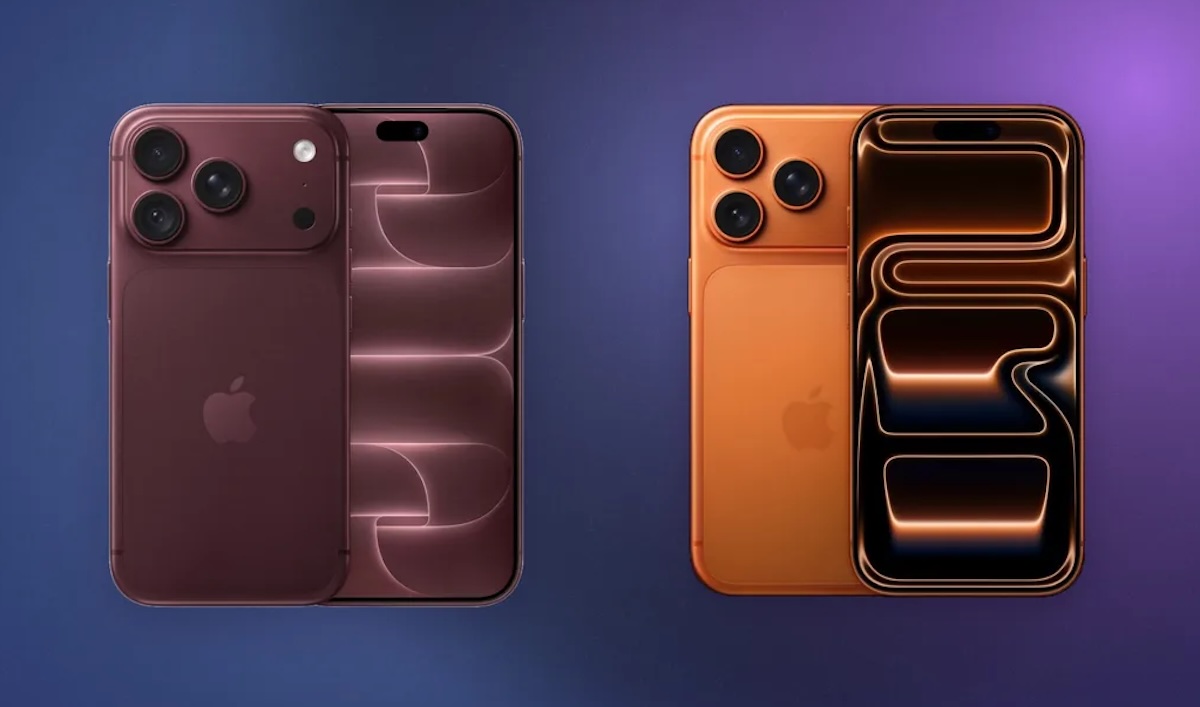
Apple has officially pulled the curtain back on the highly anticipated iPhone 18 Pro and iPhone 18 Pro Max. While last year’s iPhone 17 Pro made waves with its radical shift to an aluminum unibody design, this year’s iteration pivots entirely to internal supremacy. Built around the groundbreaking A20 Pro chip, a reimagined thermal system, and a massively upgraded camera module, Apple is sending a clear message: it’s what’s on the inside that counts.
Under the Hood: The A20 Pro and a Historic Battery Leap
The most defining upgrade lies at the core of the device. The new A20 Pro chip marks Apple’s first foray into the ultra-efficient 2-nanometer (2nm) manufacturing process by TSMC. This silicon beast features a 6-core CPU (equipped with two high-performance “super cores”) and a 7-core GPU that delivers up to a 40% speed boost over its predecessor.
To manage this immense power, Apple completely re-engineered the phone’s thermal architecture. A next-generation vapor chamber, boasting three times the surface area of the previous model, is now directly attached to the memory and silicon die. This translates to significantly higher sustained performance—a major win for hardcore gamers and users running intensive on-device AI tasks.
This new architecture also yields unprecedented energy efficiency, delivering the largest single-generation battery jump in iPhone history. The iPhone 18 Pro Max now offers a staggering 45 hours of video playback, while the smaller Pro model reaches 36 hours. Charging times have also plummeted; using a 60W adapter, the battery rockets to 50% capacity in just 15 minutes.
A Photographer’s Dream: The Variable Aperture Era
While the camera housing looks familiar, the optics have undergone a monumental shift. The 48-megapixel Fusion Main camera ditches the fixed lens of the past in favor of a variable-aperture system utilizing six laser-cut blades. With four distinct stops (ƒ/1.48, ƒ/1.8, ƒ/2.8, and ƒ/4.0), photographers finally have true optical control over depth of field natively on an iPhone.
Paired with a new computational imaging pipeline, the sensor captures 50% better low-light performance. Apple has also introduced a suite of manual “Pro” controls in the native camera app, allowing users to tweak aperture, shutter speed, and white balance on the fly. Furthermore, the new Apple Reference Image feature allows users to cryptographically verify a photo’s authenticity at the sensor level—a crucial tool in the age of AI-generated imagery.
A Refined Dynamic Island and Fresh Colorways
On the front of the device, the signature Dynamic Island has shrunk in physical size while expanding in functionality. It can now support up to three simultaneous Live Activities, allowing users to effortlessly track a flight, navigate via Maps, and run a timer all at once without bouncing between apps.
The iPhone 18 Pro series will be available in four refined finishes: Silver, Black, Glacier, and Burgundy.
Head-to-Head: iPhone 17 Pro vs. iPhone 18 Pro
| Feature | iPhone 17 Pro (2025) | iPhone 18 Pro (2026) |
| Processor | A19 Pro (3nm) | A20 Pro (2nm), up to 40% faster GPU |
| Cooling System | Standard Vapor Chamber | 3x larger Vapor Chamber |
| Main Camera | Fixed ƒ/1.78 aperture | Variable aperture (ƒ/1.48 to ƒ/4.0) |
| Battery (Video) | 33 hours (Pro) / 39 hours (Max) | 36 hours (Pro) / 45 hours (Max) |
| Fast Charging | 50% in 20 mins (40W+) | 50% in 15 mins (60W+) |
| Dynamic Island | Up to 2 Live Activities | Smaller, up to 3 Live Activities |
| Starting Price | $1,099 (256GB) | $1,199 (256GB) |
The Verdict: Should You Upgrade?
The iPhone 18 Pro starts at $1,199 for the 256GB model—a $100 price bump from last year’s baseline—while the Pro Max begins at $1,299. Pre-orders kick off on Saturday, September 12, with official retail availability starting Friday, September 18.
Is it worth the money? If you are currently holding an iPhone 17 Pro, there is little general-purpose incentive to make the jump. The core design, display, and everyday experience remain largely identical. The upgrade is only justifiable if you are a serious creator desperate for variable aperture and manual photography controls, or a power user who requires the sustained thermal performance of the A20 Pro for heavy workloads.
However, for those upgrading from an iPhone 16 Pro or older, the iPhone 18 Pro is a phenomenal, future-proof investment that justifies its premium price tag through sheer internal power and optical innovation.


