
Xiaomi 18 Pro Max vs iPhone 18 Pro Max: Specs, Cameras, and Battery Compared
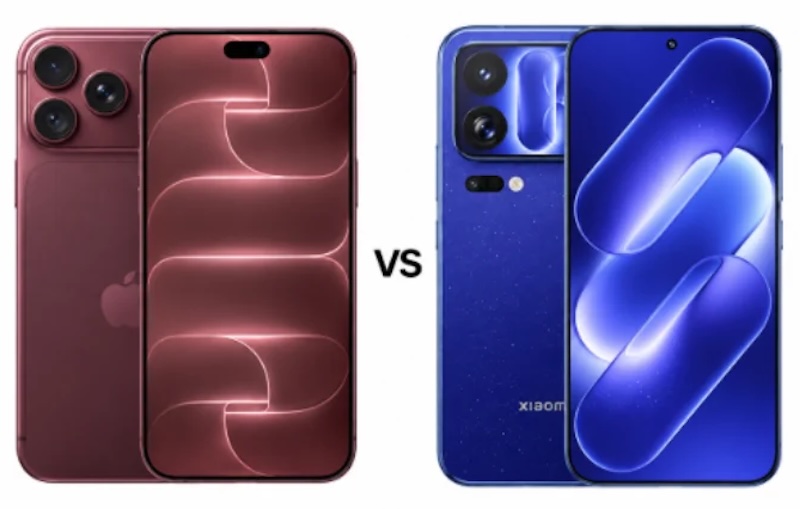
Apple’s iPhone 18 Pro Max and Xiaomi 18 Pro Max represent two radically different philosophies in the ultra-premium smartphone market. Apple continues its tradition of iterative refinement, leaning heavily into ecosystem integration, custom silicon, and professional-grade videography. Xiaomi, conversely, takes a brute-force approach to hardware innovation, packing its flagship with dual 200MP cameras, a massive silicon-carbon battery, and a unique secondary rear display.
While both devices command flagship status, their contrasting approaches to camera architecture, battery endurance, and pricing create a highly competitive matchup.
Xiaomi 18 Pro Max vs iPhone 18 Pro Max Specifications
| Feature | iPhone 18 Pro Max | Xiaomi 18 Pro Max |
| Main Display | 6.9-inch LTPO Super Retina XDR OLED (120Hz) | 6.9-inch LTPO AMOLED (120Hz) |
| Peak Brightness | 3,000 nits | 4,000 nits |
| Secondary Display | None | 2.9-inch LTPO AMOLED (Rear) |
| Processor | Apple A20 Pro (2nm) | Snapdragon 8 Elite Extreme Gen 6 (2nm) |
| RAM & Storage | 12GB RAM / Up to 2TB NVMe | Up to 16GB RAM / Up to 1TB UFS 4.1 |
| Rear Cameras | 48MP Main, 48MP Ultrawide, 48MP Periscope (4x) | 200MP Main, 50MP Ultrawide, 200MP Periscope (3.2x) |
| Front Camera | 18MP with SL 3D | 50MP |
| Video Capabilities | 4K @ 120fps, ProRes RAW, Dolby Vision | 8K @ 30fps, 4K @ 120fps, Dolby Vision |
| Battery Capacity | ~5,391mAh – 5,567mAh (Market dependent) | 8,500mAh Silicon-Carbon |
| Wired Charging | PD3.2 (50% in 15 minutes) | 100W |
| Wireless Charging | 25W MagSafe/Qi2 | 50W |
| Durability | Ceramic Shield 2, IP68 | Dragon Crystal Glass 3, IP68 |
| Biometrics | Face ID (3D Facial Recognition) | Ultrasonic Fingerprint Scanner |
| Estimated Price | ~$1,300 | ~$1,000 |
Design and Display Innovation
Apple maintains its instantly recognizable aesthetic with the iPhone 18 Pro Max, utilizing a titanium-forged aluminum frame and the new Ceramic Shield 2 for enhanced drop protection. It is a masterclass in understated, premium industrial design.
Xiaomi shatters that restraint. Protected by Dragon Crystal Glass 3, the Xiaomi 18 Pro Max integrates a highly functional 2.9-inch AMOLED display directly into its rear camera module. This secondary screen allows users to check notifications, monitor battery life, and most importantly, frame high-resolution selfies using the primary 200MP lenses.
On the front, both devices sport 6.9-inch 120Hz LTPO panels. Apple delivers a slightly sharper resolution (1320 x 2868), but Xiaomi pushes luminosity to the extreme with a claimed peak brightness of 4,000 nits—outshining Apple’s 3,000-nit threshold. With broader HDR format support (including HDR10+ and HDR Vivid), Xiaomi edges out Apple in raw display versatility.
Performance, Battery, and Charging
Under the hood, this is a battle of cutting-edge 2nm silicon. Apple’s A20 Pro chipset is engineered for seamless integration with iOS 27, offering unparalleled efficiency and sustained performance for computational tasks. Xiaomi relies on Qualcomm’s powerhouse Snapdragon 8 Elite Extreme Gen 6, paired with up to 16GB of RAM, offering immense headroom for Android 17 and HyperOS 4.
However, the battery endurance category is arguably the most one-sided aspect of this comparison. Apple equips the iPhone with a respectable battery hovering around 5,500mAh, paired with 25W MagSafe charging. Xiaomi completely rewrites the standard by housing a colossal 8,500mAh silicon-carbon battery inside its flagship. When it does need a top-up, Xiaomi’s 100W wired and 50W wireless charging speeds leave Apple’s conservative charging rates trailing far behind. Furthermore, Xiaomi’s 27W reverse wireless charging makes it a highly effective power bank for accessories, dwarfing Apple’s 4.5W reverse wired output.
Camera Architecture
The iPhone 18 Pro Max features a unified triple 48MP array. Its strength lies in consistency, second-generation sensor-shift stabilization, and industry-leading video features like ProRes RAW, Apple Log 2, and 4K recording at 120fps. It remains the undisputed tool of choice for mobile filmmakers.
Xiaomi pivots toward extreme resolution and still-photography prowess. Partnering with Leica, it boasts a dual-200MP setup for both the primary and periscope telephoto lenses, alongside a 50MP ultrawide. This setup, aided by laser autofocus and a color spectrum sensor, captures staggering levels of detail. While it supports 8K video at 30fps, it simply caters to a different creative demographic—prioritizing ultra-high-resolution stills and flexible zooming over Apple’s cinematic video ecosystem.
Xiaomi 18 Pro Max vs iPhone 18 Pro Max Pricing and Final Verdict
Priced at roughly $1,300, the iPhone 18 Pro Max commands a steep premium. Buyers are paying for the flawless iOS ecosystem, elite video recording tools, and Face ID security.
At approximately $1,000, the Xiaomi 18 Pro Max fundamentally undercuts Apple while offering objectively superior hardware metrics in several key areas. For consumers willing to step outside the Apple ecosystem, Xiaomi delivers a substantially larger battery, radically faster charging, dual 200MP cameras, and the unique utility of a secondary display—all while saving the buyer $300. Apple retains its crown for ecosystem loyalists and professional videographers, but from a pure hardware-to-price perspective, Xiaomi provides the more compelling ultra-premium package.
Related Posts
-
 Motorola Edge 70 Neo Leaked: Android 17 Beta Listing Confirms New Phone
-
 Oppo Find X10 Series Launching Sept 22: Specs, Colors, and Storage Revealed
-
 New OnePlus 15T Leak Reveals Compact 6.3-inch Screen and Huge Battery
-
 Planning to Buy the iPhone Duo? Expect Long Shipping Delays Due to Supply Shortages