
iPhone 18 Pro Max vs. Huawei Mate 90 Pro Max: Which flagship gives you more?
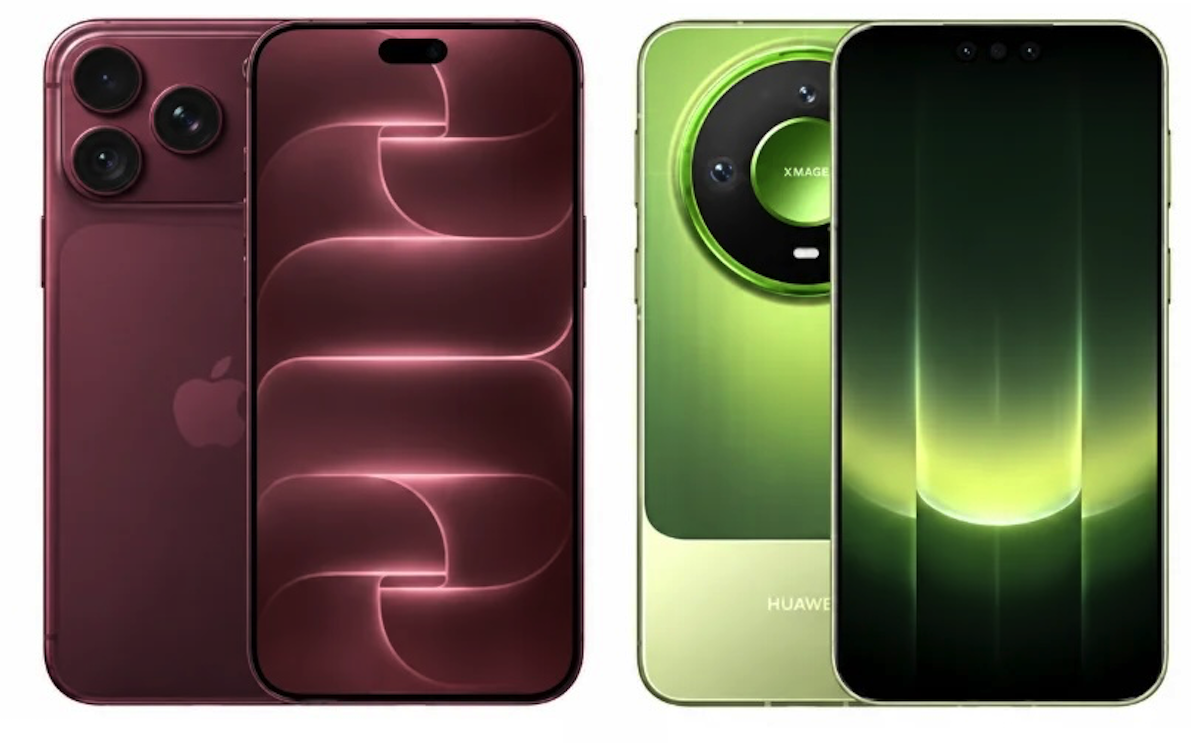
The Huawei Mate 90 Pro Max and iPhone 18 Pro Max make different cases for a premium phone. Huawei’s standout specifications are its 200MP telephoto camera, 6,800mAh battery and fast charging. Apple counters with advanced video formats, storage options reaching 2TB and the familiar iOS ecosystem. On the figures supplied, Huawei has the more ambitious hardware package—but there is not enough comparable testing or reliable regional pricing to name an overall winner.
iPhone 18 Pro Max vs. Huawei Mate 90 Pro Max Specs Compared
Pricing caution: The dollar and rupee estimates do not imply the same price relationship. Huawei appears more expensive in the dollar figures but cheaper in the rupee figures. Without comparable confirmed prices for the same market, neither phone can fairly be called the better-value purchase.
Display and design
Both phones offer large, sharp 6.9-inch OLED displays with 120Hz refresh rates. Huawei’s dual-layer panel and claimed peak brightness of 12,000 nits look striking on a specification sheet, but that brightness figure applies under particular conditions. It should not be compared directly with Apple’s claimed 3,000-nit peak without knowing how each company measured it.
Huawei also lists IP68 and IP69 protection, while Apple lists IP68. The additional IP69 rating concerns resistance to high-pressure water jets under test conditions; it does not make the phone immune to water damage. Apple’s anti-reflective coating may offer a more noticeable day-to-day benefit to someone who regularly uses their phone outdoors. Which display is easier to see—and which looks better—requires a side-by-side test.
Performance and battery
The Mate 90 Pro Max uses a Kirin 9050 or 9050 Pro, depending on the version, with up to 16GB of RAM and 1TB of storage. The iPhone 18 Pro Max pairs its A20 Pro with 12GB of RAM and offers storage up to 2TB. These figures describe different platforms; RAM capacity or chip naming alone cannot settle which phone runs demanding apps better. Performance, heat and sustained speed need comparable testing.
Huawei has the clearer advantage in charging specifications: a 6,800mAh battery, up to 100W wired charging and up to 50W wireless charging, along with reverse-charging options. Apple’s stated battery capacity is smaller, but capacity does not translate directly into hours of use across different operating systems and hardware. Its claim of reaching 50% in 15 minutes also cannot be compared with a wattage rating without testing both phones from the same starting charge.
Cameras and video
Huawei’s camera system is built around photographic flexibility. Its 50MP main camera has a variable aperture, and its 200MP periscope camera offers 4× optical zoom. That telephoto resolution provides more data on paper than Apple’s 48MP 4× camera, but it does not guarantee sharper photographs, particularly in poor light. Sensor size, processing and lens quality matter as much as pixel count.
Apple’s strongest distinction is video. The supplied specifications list 4K recording at up to 120fps, Dolby Vision, ProRes and ProRes RAW. That range of formats will be especially relevant to people who shoot and edit video regularly. Huawei offers 4K recording with HDR Vivid; deciding which phone produces better everyday footage would still require a direct comparison.
Which should you choose?
Choose the Mate 90 Pro Max on paper if your priorities are a large battery, higher rated charging power, a high-resolution zoom camera and IP69 protection. Choose the iPhone 18 Pro Max if you rely on iOS, want Apple’s video formats or need a 2TB storage option.
The supplied article calls Huawei the overall winner, but that verdict goes further than the evidence supports. Its hardware specifications are compelling; the better overall experience depends on real-world camera and battery results, app compatibility, local support and an actual same-market price comparison.


