
Trump’s War on Foreign Chips Are Skyrocketing Phone Prices
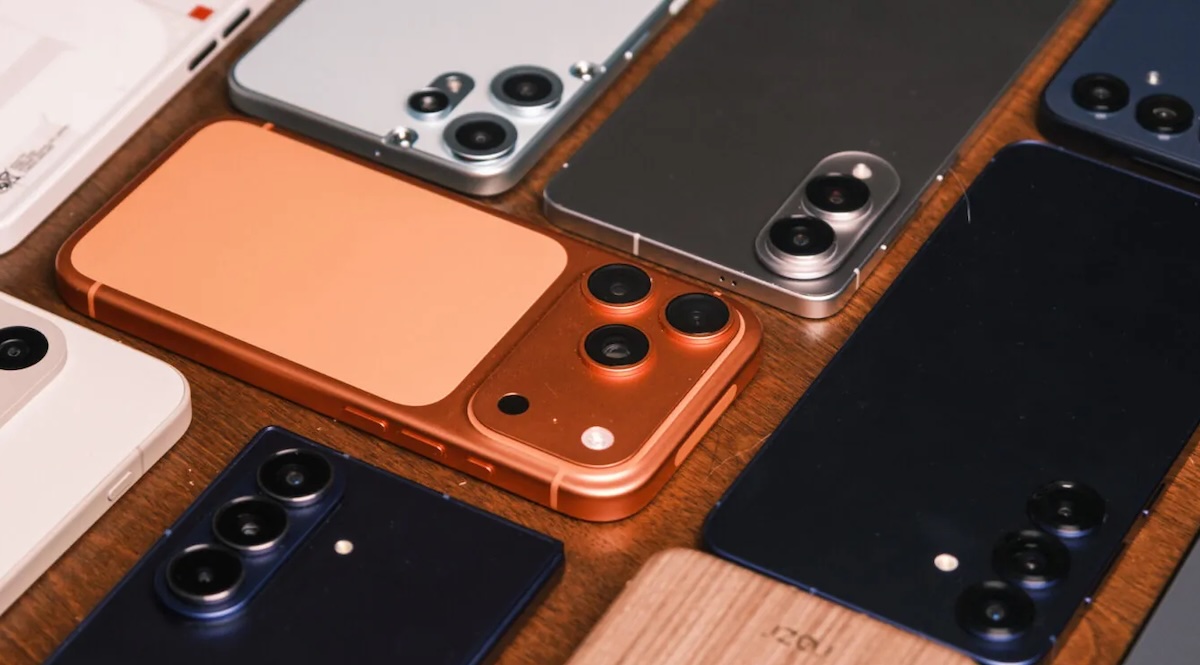
The US government is currently evaluating a sweeping new round of tariffs on semiconductors and finished consumer electronics. This aggressive trade move could significantly drive up phone prices, along with the retail costs of laptops, smartwatches, and nearly any device reliant on modern microchips.
While previous trade disputes and import duties have caused localized disruptions—prompting fallout such as Amazon issuing tariff refunds to affected shoppers—this potential policy shift strikes much deeper. By targeting the foundational components of modern hardware, the administration risks triggering severe inflation across the entire consumer electronics sector, with smartphone buyers likely to take the heaviest hit.
Broadening the Scope: Why Phone Prices Are Vulnerable
According to a recent report from Politico, the Trump administration is considering a tariff structure that dramatically widens the scope of existing import duties. Rather than strictly penalizing the import of standalone semiconductors, policymakers are exploring tariffs that would apply directly to finished consumer devices containing foreign-made chips.
While the initial report explicitly names laptops and gaming consoles as primary targets, the expansive nature of the framework suggests that mobile accessories and everyday handhelds could easily be caught in the crossfire, heavily impacting future phone prices.
The administration’s primary goal is to incentivize domestic production. Under the proposed framework, foreign companies could potentially secure tariff relief by investing directly in US chip manufacturing. However, constructing semiconductor fabrication plants requires billions of dollars and years of development, leaving tech giants with no immediate pathway to avoid the impending financial hit.
The White House Defends “Reshoring”
The White House maintains that aggressive trade policies are necessary to bolster the domestic tech industry and protect national interests, even if it means short-term market volatility.
“Reshoring semiconductor manufacturing is a top priority for President Trump, whose policies have already secured hundreds of billions of dollars of investments in this key sector,” White House spokesperson Kush Desai said in a statement defending the proposal. “The Trump administration remains focused on delivering more investments and economic relief for the American people while safeguarding our national security.”
While the exact tariff rates remain undecided, policymakers are reportedly considering a tiered system that would establish separate rates and quotas for individual countries, specifically targeting major overseas semiconductor hubs.
A “Double Whammy” for Consumers
For the average consumer, this geopolitical maneuvering translates directly to inevitable sticker shock. The global consumer electronics supply chain relies heavily on fabrication and assembly hubs predominantly located in Asia. If the US levies heavy import duties on finished goods based on their internal silicon, manufacturers will almost certainly pass those heightened production costs directly to buyers, guaranteeing that phone prices will jump.
This regulatory pressure arrives at a particularly challenging time for the mobile market. Phone prices were already creeping upward due to the rising costs of RAM and storage—components in high demand thanks to the booming integration of artificial intelligence features.
If these sweeping tariffs are implemented, consumers will face a devastating double-whammy: AI-driven component inflation combined with heavy government import taxes. For everyday buyers, the takeaway is clear: if you are hoping to avoid skyrocketing phone prices, it may be wise to upgrade your device before these policies take effect.


