
How to Restore Inaccessible USB Drive Data Without Rushing Into Format
USB drives go inaccessible in frustratingly different ways. Sometimes the device appears but refuses to open. Sometimes Windows throws an access denied error. In other cases, the drive suddenly asks to be formatted before use. What these situations have in common is that the files may still be there even when normal access has failed.
The problem is that users often interpret an unreadable USB drive as a broken one that needs to be reformatted immediately. That can be the wrong instinct. If the goal is to rescue the data, reformatting should usually come after recovery, not before it. Even simple checks like changing the USB port, verifying the drive letter, or checking Disk Management can reveal whether the issue is connection-related or file-system-related.
For broader context, a resource page on USB recovery is a useful starting point because inaccessible flash drives are only one piece of a larger set of USB problems. When the device is recognized but the data stays out of reach, a more focused guide on how to repair a corrupted USB drive and recover data becomes more relevant. That kind of progression feels much more natural in an article than stacking several nearly identical commercial links.
A soft product mention also fits better once those checks are out of the way. Wondershare Recoverit can be introduced as the step readers take when the USB device is still detectable but Windows can no longer expose the files normally. The value proposition is straightforward: scan the drive directly, preview the recoverable content, and move it somewhere safe before attempting more invasive repair actions.
Guide: In practical terms, that means identifying the USB device, letting the scan run long enough to surface hidden or damaged file entries, and using previews to verify what is still intact. Recovery should always target a different storage path so the original flash drive is not being changed while the user is still trying to save its contents.
Steps to Recover Data from Corrupted USB Flash Drive
Download and install Recoverit Data Recovery on your computer. Connect your USB drive to the computer and follow the next steps to perform flash drive recovery on Windows computer. If you are working on Mac, you should download Recoverit Data Recovery for Mac.
Step 1 Select the USB Flash Drive
Make sure your USB drive is detected by the computer, select it under the SD Card section, and click the “Scan” button to process.
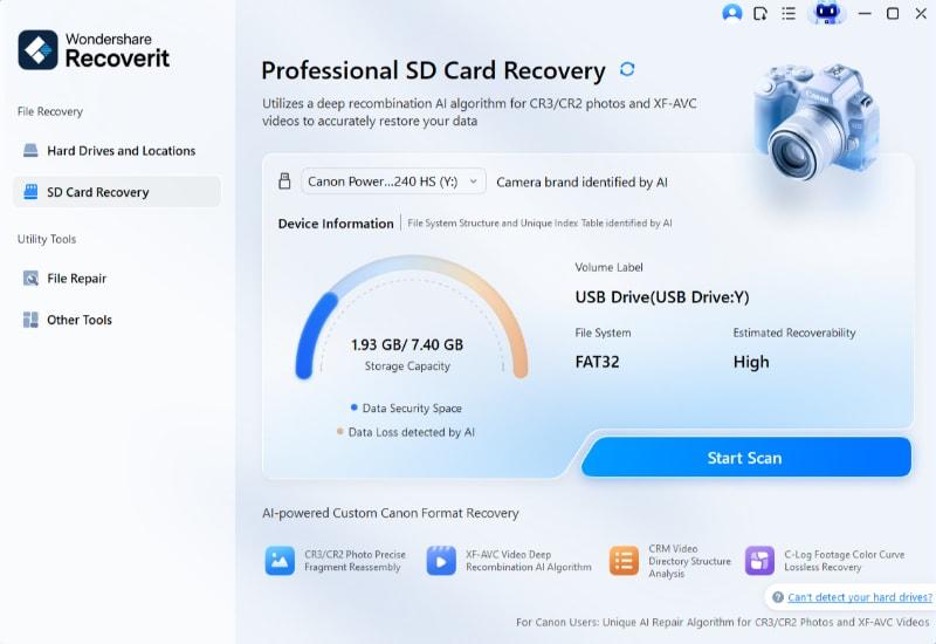
Step 2 Scan USB Flash Drive to Search Data
Recoverit Flash Drive Data Recovery will start a quick scan to search for data. If you cannot find your data after the first scan, you can go to scan again with “All-around Recovery”. It will search for more files but will take more time.
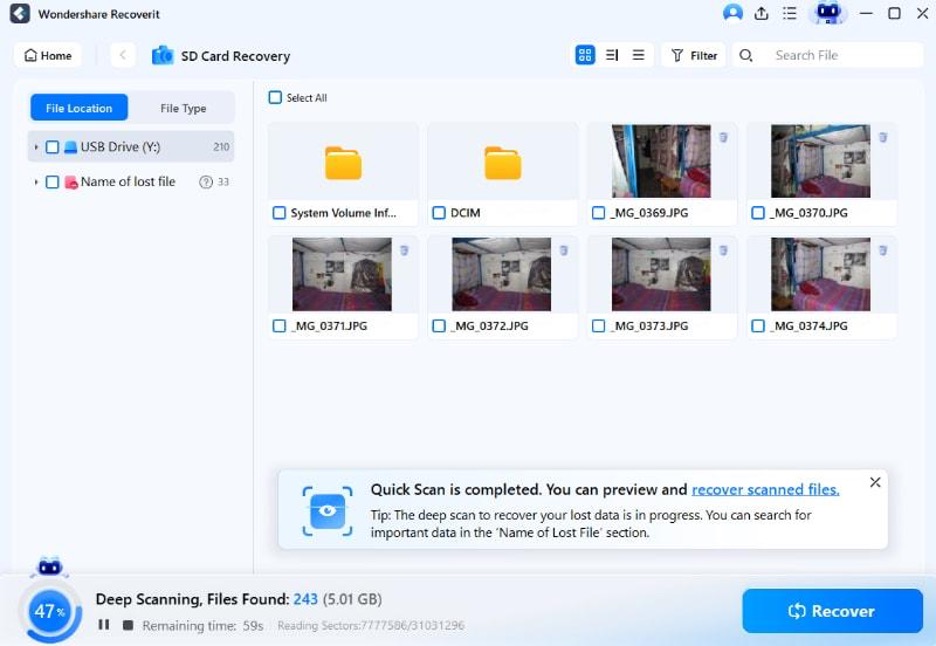
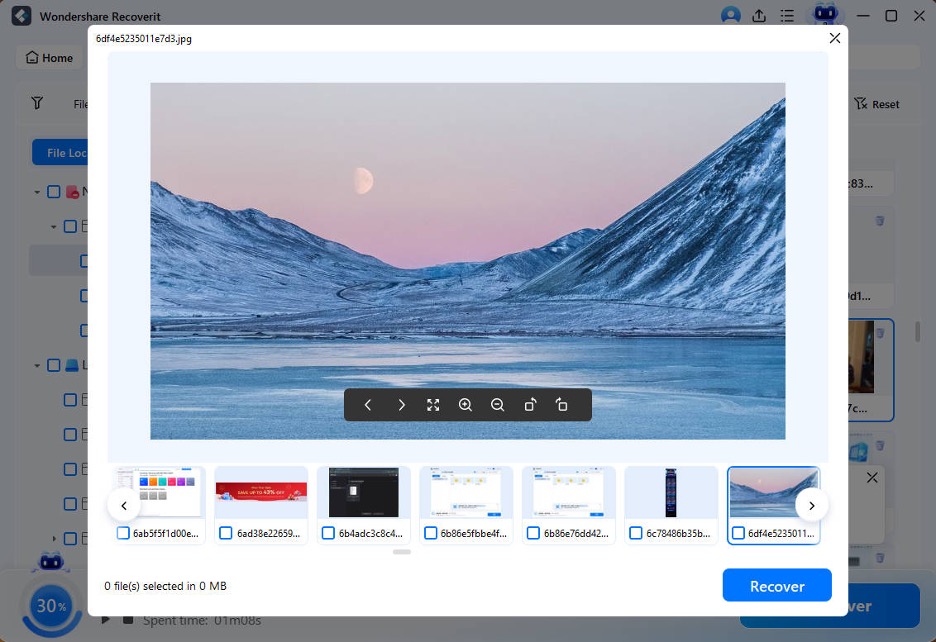
Step 3 Preview and recover data from a USB drive
After the scan, you can preview some recoverable files like photos and images. Select your data and click the “Recover” button to get your data back.
This type of writing usually performs better as a guest post because it sounds like a calm troubleshooting guide rather than a checklist built only for internal promotion. Readers get context, caution, and a usable next step, which is ultimately what earns trust.
And once trust is there, the link placement itself feels more organic. That is exactly what helps external content carry traffic and authority without looking obviously engineered.


