
From Touchscreens to Biometrics: How Phone Technology Shapes Betting Trust
Trust has proven to be the most important factor defining the process of user adoption and retention as mobile betting gains prominence as the dominant channel within the various regulated markets. The capacity to develop a smooth and safe experience is essential to attracting and retaining users.
This is particularly so in a competitive market like esports wagering, where players can count on real-time information, quick authentication, and precise Dota 2 betting odds that are provided on mobile apps without any hassle. The use of phone technology, especially biometrics, has become a core aspect of the perception of security, fairness, and reliability on the betting sites by the bettor.
The Age of the Touchscreen: The Era of Convenience as the First Trust Builder
The mobile betting trust breakthrough came with the popularization of smartphones and user-friendly touchscreens. Betting apps substituted the desktop-heavy interfaces with minimalistic layouts, swiping features, and one-tap navigation. This usability change lowered the friction with betting, becoming quicker and more accessible, and representing professionalism and validity.
Touchscreens also provided in-play betting, real-time odds updates, and an instant cash-out option, which was in line with the live sports betting. Mobile-first design, as mentioned in wider trend analysis of iGaming, was not merely a UX enhancement, but it reinvented expectations. Bettors started to ascribe platform credibility to the smooth operation of apps. When an application was responsive and stable, it was considered to be trustworthy.

Convenience, however, came with concerns of security, especially as the speed of deposits and withdrawals was increased, and all this was done using mobile devices.
Mobile Payments and The Demand for Stronger Authentication
The next step in the evolution of mobile betting was the integration of mobile wallets, one-second deposit, and instant withdrawal. Although such features increased the speed, they also opened platforms to greater fraud and user fear of account insecurity.
Such pressure has hastened the implementation of the high-end forms of authentication. The use of PIN codes and passwords was no longer enough in the sphere when bets, payments, and personal information could be processed within several seconds. The sector had to have more powerful, but smooth, security measures that would not interfere with the user experience. This is where biometrics got into the betting system.
Biometrics: A New Way of Visiting Security and Trust.
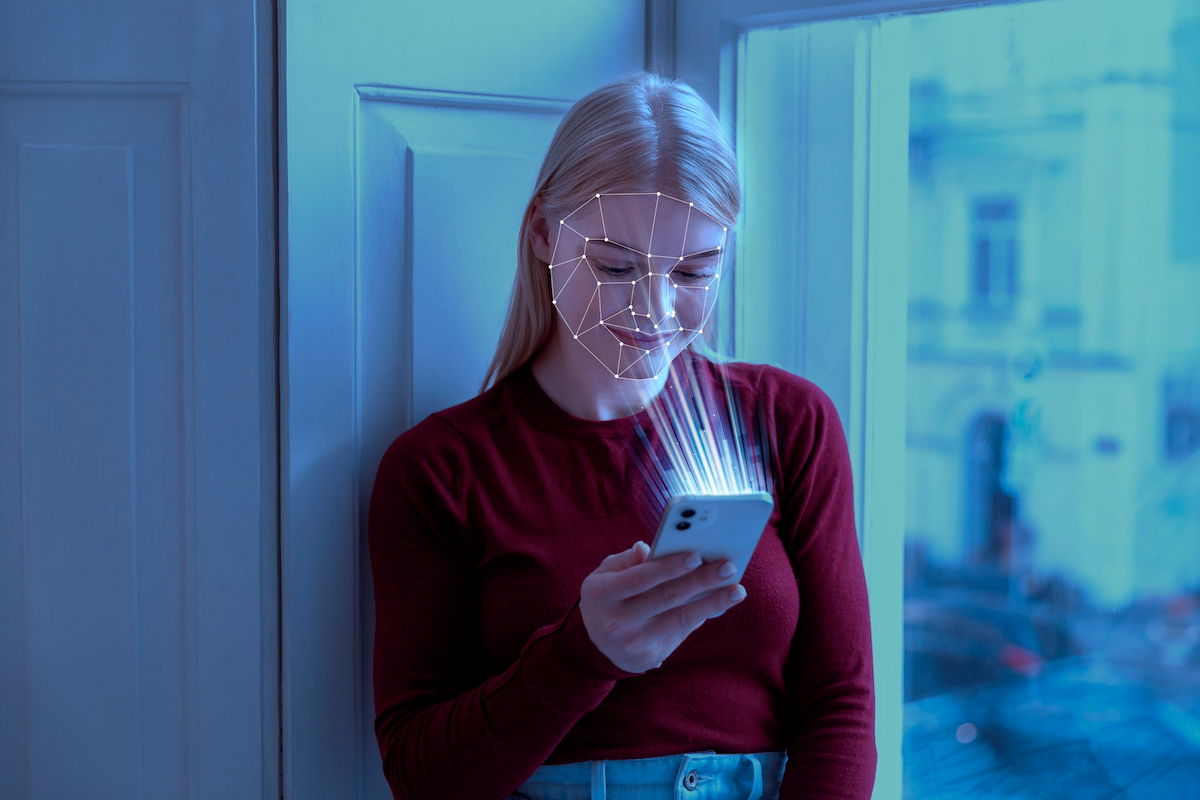
Biometric technologies that have become a source of trust are fingerprint scanning, facial recognition and behavioural biometrics, whose applications in the contemporary betting apps have gained some level of trustworthiness. According to trends in the European Gaming Industry News, and other instances on biometric payments, these technologies rely on the use of unique physical or behavioural features to identify identity with a very high precision compared to standard credentials.
The option of betting without the need to type a password by fingerprinting and Face ID verification to log in and confirm withdrawals and payments is now available. This approach:
- Reduces the threat of account takeover.
- Guarantees that only a user can access his or her money.
- The transfer of knowledge-based credentials to a factor of personal identity is more convincing and increases the feeling of control.
Still more importantly, biometric authentication minimizes friction. Bettors like to believe in safe and convenient platforms and it is a fine line between what is considered as either innovation or protection in sports betting and this is the issues that keeps the debate in sports betting on its path.
Long-term Confidence, Regulation, and Responsibility
The closer the biometric and mobile technologies are integrated, the more regulation is decisive in maintaining trust. The European and Canadian markets especially lay strict emphasis on data consent, storage, and user rights. The apps used in betting should adhere to GDPR-like systems, including the latest high-security features.
Biometric systems are also becoming more associated with responsible gambling. Biometrics are more effective in ensuring age verification, geolocation, and identity confirmation, which will minimize underage access and fraud. On this level, phone technology contributes not only to the commercial trust but also to the legitimacy of the betting industry to society.
The Future: Like a Competitive Advantage Trust
In the future, the issue of trust will be one of the key distinguishing points between betting sites. Betting became convenient through touch screens. Biometrics made it safer. The following step, possibly with wearables, emotion recognition, and adaptive security, will also personalize trust in itself.
Platforms with a mix of innovativeness and transparency will dominate the market, as it was emphasized in 2026 discussions in iGaming trends. The gamblers are becoming more technologically advanced; they know the advantages and disadvantages of biometric systems. Clear, controllable, and evidence-based technology that fulfills their interests is what they are demanding.
Phone technology has transformed the way people bet and the amount of trust they have in the process, since they are no longer betting using their fingers, but rather through biometrics. Trust in the mobile-first betting world is no longer established at the counter but in the palm of the hand.


