
Wear OS Watches Could Save Battery by Using Your Phone’s Location Tracking
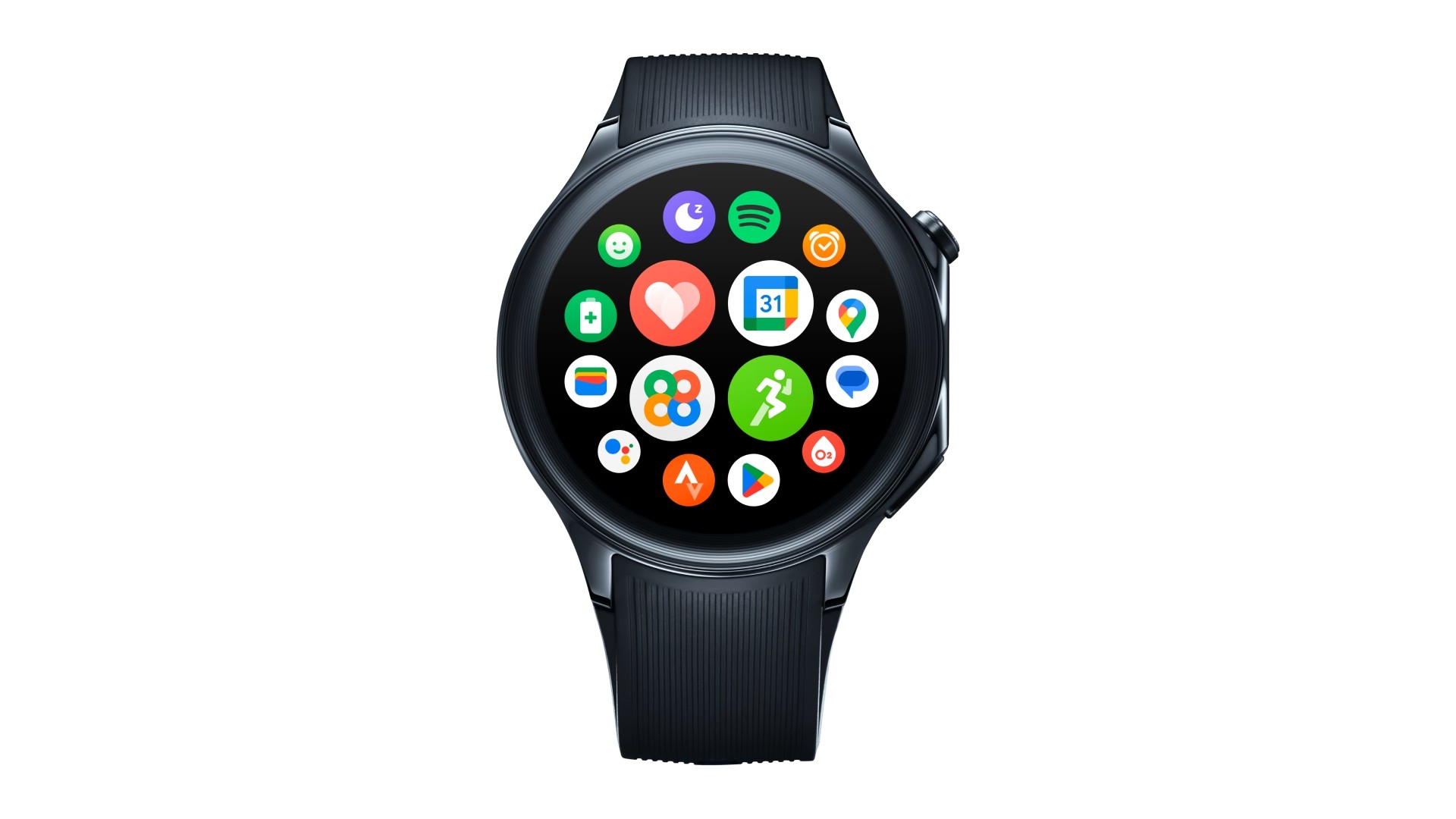
Google is introducing a way for Wear OS smartwatches to reduce battery consumption during outdoor workouts: letting a connected smartphone handle satellite-based location tracking.
According to the supplied release notes for Google Play services v26.45, the feature allows a watch to use its phone’s Global Navigation Satellite System, or GNSS, rather than relying on its own receiver throughout an activity.
The change could help preserve watch battery during outdoor exercise, but it comes with an important condition: users must carry their phone, and the phone must not be in Battery Saver mode.
Moving Location Tracking from the Watch to the Phone
GNSS is the collective term for satellite-positioning systems such as GPS, Galileo, GLONASS and NavIC. These systems provide the location information used to track outdoor activities.
Keeping a watch’s satellite receiver active throughout a workout consumes battery. The new feature shifts that task to the smartphone, allowing the watch to use the phone’s positioning information instead.
The aim is to reduce the battery demand on the watch without removing location tracking from the workout. Google has not specified how much additional battery life users can expect.
The supplied article notes that Fitbit already offers a comparable approach on some trackers through its Dynamic GPS feature.
You Will Still Need to Bring Your Phone
The trade-off is straightforward: this is a battery-saving option for people who exercise with their phone, not a replacement for independent tracking when leaving it behind.
Google’s description also ties the benefit to the phone being outside Battery Saver mode. The supplied notes do not explain how the watch handles location tracking when that mode is enabled.
Compatibility remains another unanswered question. The article does not identify supported Wear OS models, so the announcement should not be interpreted as confirmation that every watch will receive the feature.
Storage Cleanup Gets a More Practical Interface
Google Play services v26.45 also includes changes to storage management on phones.
According to the supplied changelog, users can follow their cleanup progress and review large files by swiping to keep or delete them. The updated interface also makes it easier to identify which Google Account is being managed.
These changes focus on making the cleanup process easier to navigate, particularly when deciding which large files to retain.
Additional Updates Cover Cars, Maps and Wallet
The release also introduces settings for cross-device experiences between cars and Android devices. The supplied notes do not detail the individual functions those settings will control.
Other additions are aimed at developers, including support for Maps-related processes in automotive apps and digital wallet and payment functions on phones and watches. Wallet-related services on phones also receive bug fixes.
Google Play Services v26.45: Changelog Overview
|
Category |
Devices |
Changes listed in the supplied notes |
|
Account Management |
Phone |
Cleanup progress tracking, swipe-based review of large files and clearer identification of the Google Account being managed |
|
Developer Services |
Auto |
New developer capabilities supporting Maps-related processes in apps |
|
Device Connectivity |
Auto |
Settings for cross-device experiences between cars and Android devices |
|
Health & Fitness |
Phone, Wear |
Watches can use a phone’s GNSS during outdoor workouts to help conserve watch battery when the phone is not in Battery Saver mode |
|
Wallet |
Phone, Wear |
New developer capabilities supporting digital wallet and payment processes |
|
Wallet |
Phone |
Bug fixes for Wallet-related services |
For Wear OS users, phone-assisted location tracking is the most notable addition. Its usefulness will depend on device support and whether users already bring their phone on outdoor workouts. The potential benefit is clear, but compatibility and measurable battery savings remain unspecified.


