
Buying a Googlebook? What You Need to Know About Intel, Snapdragon, and App Support
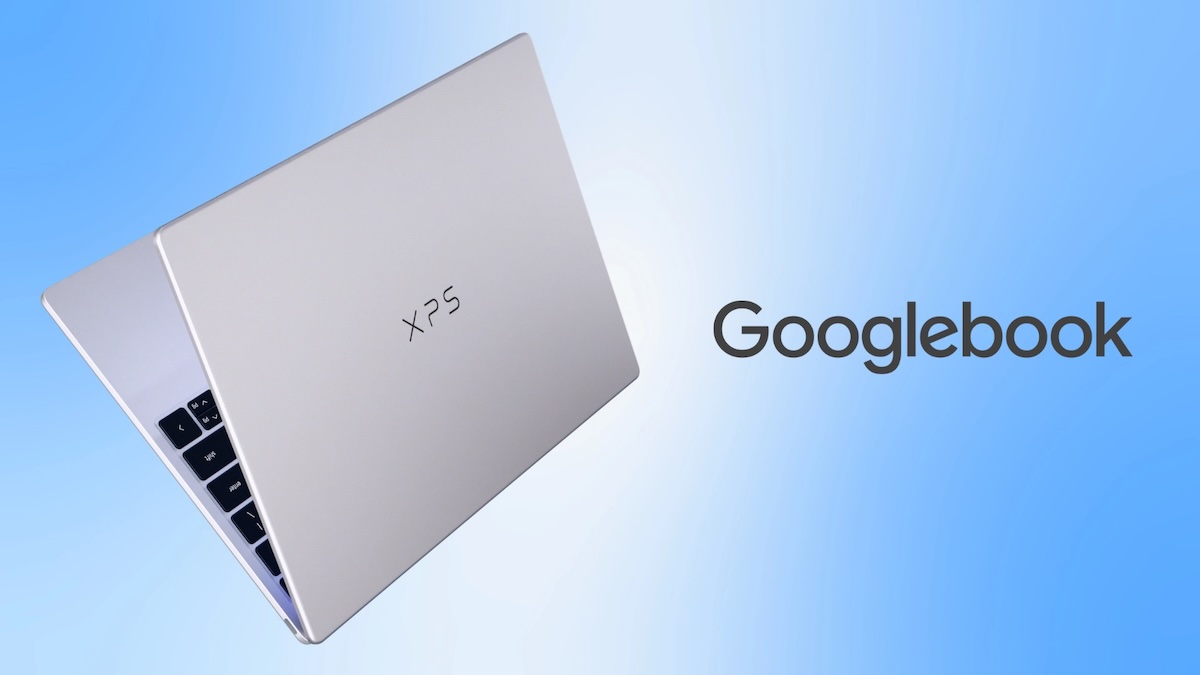
Googlebooks have officially arrived on store shelves, presenting buyers with a critical hardware decision: opt for an Intel processor or a Snapdragon chip. While both configurations offer a premium experience, Google has confirmed that models equipped with Arm-based Snapdragon processors hold a distinct advantage when it comes to running Android applications.
Addressing the architectural divide, the search giant recently clarified how x86-based Intel Googlebooks handle Android apps. Rather than relying on resource-heavy emulation, Google utilizes a translation layer to bridge the gap between Arm-based apps and Intel hardware. This approach—likely a successor to the libhoudini translation layer previously used on ChromeOS—is significantly more efficient and delivers better overall performance than pure emulation.
Despite the inherent advantage of native Arm architecture on Snapdragon models, Google remains confident in the Intel experience. In the latest statement to Android Authority, the company provided context on the day-one application ecosystem for x86 devices. According to Google, 96.6% of the top 10,000 most-used Android applications are available on the Google Play Store and run flawlessly on Intel-powered Googlebooks out of the box.
The remaining 3.4% of apps—representing over 300 popular titles—are restricted from the Play Store on these devices primarily due to hardware incompatibilities rather than processor limitations. Many of these omitted apps require smartphone-specific hardware, such as gyroscopes, which do not translate well to a large-screen laptop form factor.
While a 96.6% compatibility rate is impressive on paper, prospective buyers heavily reliant on niche or mobile-first applications are strongly advised to verify compatibility on Intel machines prior to purchase.
Beyond app compatibility, early adopters face a few other software quirks. Current iterations of Chrome for Googlebooks do not support multiple user profiles, and seamless integration with Samsung smartphones remains incomplete at launch.
Googlebook Processor & Compatibility Specs
| Feature | Intel-Powered Googlebooks | Snapdragon-Powered Googlebooks |
| Processor Architecture | x86 | Arm |
| Android App Execution | Translation Layer (Efficient adaptation) | Native Execution |
| Top 10k App Compatibility | 96.6% flawless execution | Near-universal native support |
| App Store Limitations | ~3.4% restricted (due to missing hardware like gyroscopes) | Form-factor restrictions still apply |
| Current Platform Quirks | No multi-user Chrome profiles, limited Samsung phone integration | No multi-user Chrome profiles, limited Samsung phone integration |


