
iPhone 18 Pro vs Xiaomi 18 Pro Comparison: Which flagship should you buy?
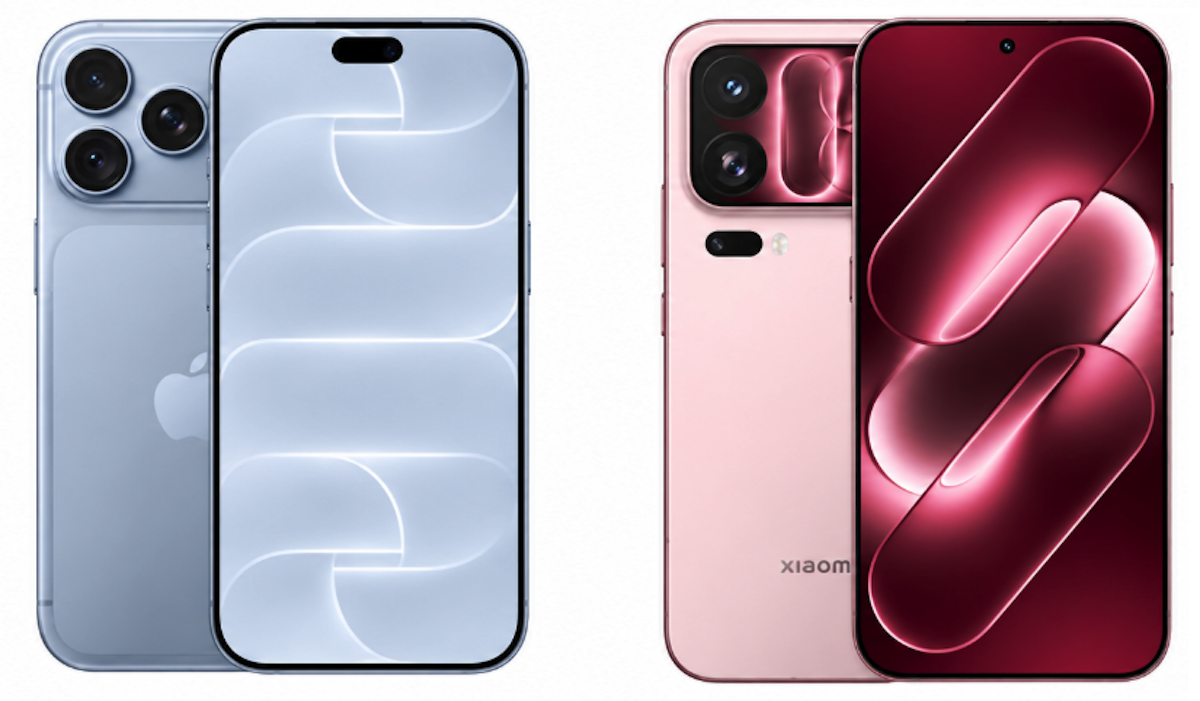
The iPhone 18 Pro and Xiaomi 18 Pro offer different versions of a premium phone. Apple’s appeal lies in iOS integration, Face ID and its stated professional video tools. Xiaomi counters with a rear display, two 200MP cameras and a much larger battery. On the specifications and prices supplied, Xiaomi offers more hardware for less money—but that is not the same as proving it delivers better photos, longer real-world battery life or a better experience for every buyer.
iPhone 18 Pro vs Xiaomi 18 Pro: Specifications
These figures come from the supplied comparison. Prices and some specifications may vary by market, so the dollar and rupee amounts should not be treated as directly comparable local offers.
Design and displays
Both phones use aluminum frames and have IP68-rated water resistance. Apple pairs its design with Ceramic Shield 2 and Face ID. Xiaomi uses Dragon Crystal Glass 3 and an under-display ultrasonic fingerprint reader. Neither protection material can be declared more durable from its name alone.
Their main screens are close in size and both reach a 120Hz refresh rate. Xiaomi claims higher peak brightness, but peak figures do not establish which display stays brighter outdoors during extended use. Apple lists an anti-reflective coating that may also affect visibility.
Xiaomi’s clearer distinction is the secondary screen on the back. It adds a way to view information or frame shots without turning the phone around, provided those functions suit how you use your phone. Apple takes a more conventional approach with a single front display.
Cameras and video
Xiaomi has the more ambitious camera specifications on paper: a 200MP main camera and 200MP periscope telephoto, alongside a 50MP ultrawide. The iPhone uses three 48MP rear cameras, including a telephoto offering 4× optical zoom, and adds LiDAR depth sensing. Xiaomi also lists a higher-resolution selfie camera.
Those numbers are useful for describing the hardware, not choosing a photography winner. Resolution alone cannot establish detail, low-light quality, color consistency or how well either phone handles moving subjects.
For video, the iPhone’s listed features include 4K recording at up to 120fps, Dolby Vision, ProRes RAW and Apple Log 2. Xiaomi lists 8K at 30fps, 4K at 120fps, Dolby Vision and 10-bit Log recording. Apple’s formats may make it the better fit for an established professional editing workflow; Xiaomi gives creators other recording options. A reliable verdict would require comparing footage from both phones.
Performance and battery
Both processors are described as 2nm chips. Xiaomi offers a higher maximum RAM configuration, while Apple offers more maximum storage. Neither difference, nor a claim about software optimization, is enough to establish which device performs better without comparable testing.
Battery capacity is a more striking contrast. The Xiaomi 18 Pro’s stated 7,000mAh battery is considerably larger than either capacity listed for the iPhone 18 Pro. Xiaomi also has higher stated wired and wireless charging power. That makes it the stronger option on charging specifications, although battery-life and charging-time tests would be needed to measure the everyday difference.
One detail in the supplied article needs care: it describes Xiaomi’s 27W reverse charging as wireless in some places. That mode should be verified before publication rather than presented as a confirmed wireless-charging feature.
Price and buying decision
At the prices quoted in the supplied article, Xiaomi appears to offer more battery capacity, camera resolution and display hardware for less. But the listed US-dollar and Indian-rupee prices need to be checked against actual offers in the same market, with the same storage configuration.
Choose Xiaomi if its battery, faster stated charging and rear display are the features you will use. Choose the iPhone if you prefer iOS, Face ID, Apple’s ecosystem or its listed professional video formats. Rather than naming an overall winner from a spec sheet, the most defensible choice depends on local price and independent camera, performance and battery results.
Related Posts
-
 Nothing OS 5.0 Arrives with Android 17, an On-Device AI App Builder, and a Major UI Overhaul
-
 Vivo X500 Pro Max to Debut with MediaTek Dimensity 9600 Pro
-
 HyperOS 3 Global released: new UI, AI tools and cross-device features
-
 Xiaomi 17 Ultra Launch Date Revealed: Snapdragon 8 Elite Gen 5 and “Boxing Day” Release