
Xiaomi Smart Privacy Display Leaked: The Ultimate Answer to Samsung
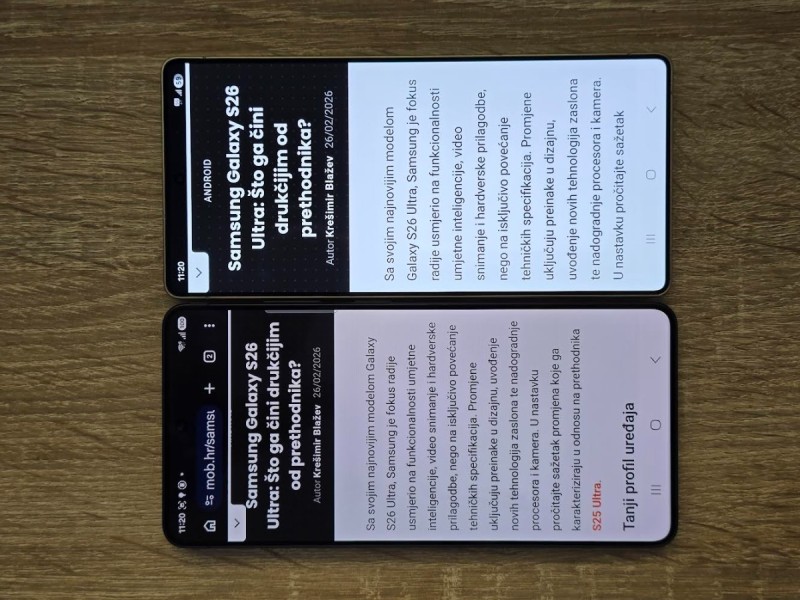
When Samsung introduced the Privacy Display on the Galaxy S26 Ultra, it set a new standard for on-device security. The technology, which actively darkens the screen when viewed from side angles to block shoulder surfers, has been widely praised. Now, it appears Chinese tech giant Xiaomi is developing its own answer to this anti-snooping feature.
Thanks to a recent leak from prominent tipster Kacper Skrzypek on X (formerly Twitter), we now have a detailed look at Xiaomi’s implementation. Dubbed the Smart privacy display, the feature is expected to roll out as part of the highly anticipated HyperOS 4 update later this year.
How Xiaomi’s Privacy Shield Works
Because the feature is arriving via an OS update, it was initially assumed to be a strictly software-based workaround compared to Samsung’s physical display tech. However, one of the leaked screenshots intriguingly references “Hardware-level privacy,” suggesting the feature might tap into underlying display hardware capabilities on supported devices.
The leaked video and screenshots reveal a highly customizable user experience. Once launched, Xiaomi users will be able to toggle the Smart privacy display globally across the entire device or restrict it to specific applications. An “App privacy display” menu also allows users to automatically hide lock screen notifications for chosen apps.
Particularly noteworthy is the Page privacy display function. This tool is designed to automatically detect and conceal “specific sensitive pages”—such as password entries, mobile payments, bank transfers, and private messaging screens—from prying eyes. The leaker notes that this specific function, along with XiaoAI app group integration, currently appears limited to the China-specific version of HyperOS, though the core privacy display features are visible in the global build.
That’s how “Smart privacy display” options will look on supported #Xiaomi device (likely upcoming flagship).
Video recorded on Global ROM. “Page privacy display” and Xiaomi Hyper XiaoAi groups are, at least for now, available only on China ROM. pic.twitter.com/AigocVrasZ
— Kacper Skrzypek 🇵🇱 (@kacskrz) August 28, 2026
Known Limitations and Trade-offs
As with any intensive display technology, Xiaomi’s Smart privacy display will come with a few technical compromises. The company has transparently listed several limitations within the leaked interface:
-
Battery Drain: Xiaomi notes the feature may “slightly increase power consumption.” Consequently, the privacy shield will automatically disable when the phone’s Battery Saver mode is activated.
-
Orientation Restrictions: The feature will not function when the device is held in landscape mode.
-
Media Playback: “Brightness compensation” tied to the privacy feature may be temporarily paused while viewing HDR content to preserve image quality.
-
Theme Incompatibility: Some third-party interface themes may not support the privacy overlay for lock screen notifications.
While these leaked visuals provide an excellent preview of how the Smart privacy display is designed to operate, the true test of its effectiveness against Samsung’s proven hardware solution will have to wait until the HyperOS 4 update officially hits consumer devices.


