
Galaxy S26 FE Officially: New AI Features, Exynos 2500 Chip and 6.7-Inch OLED Display

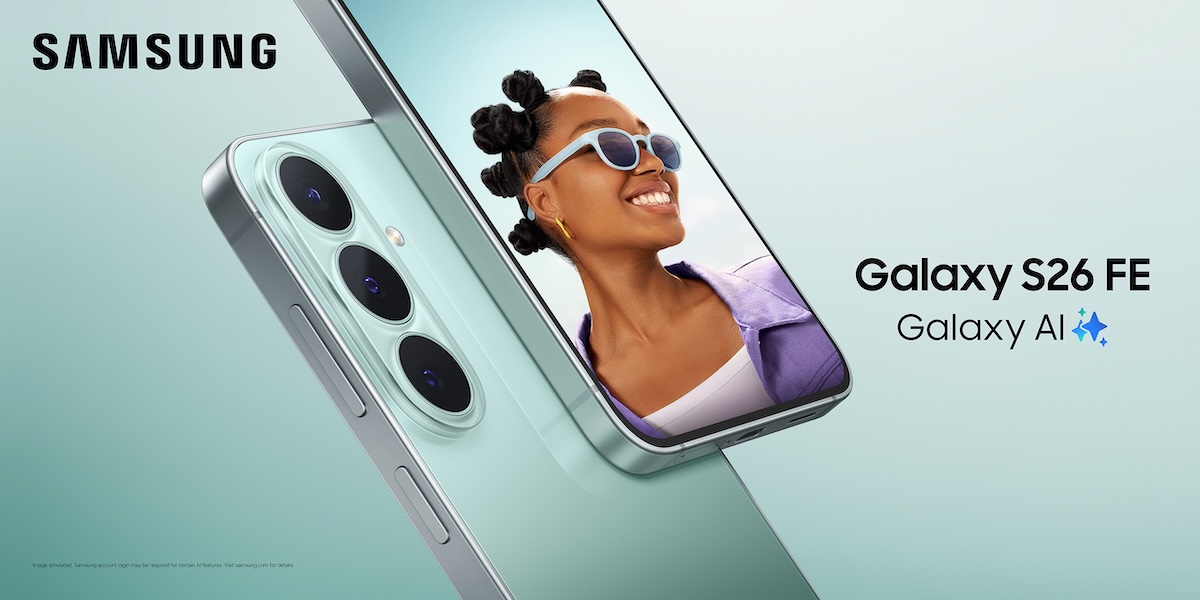
Samsung’s Galaxy S26 FE appears to be built around a clear idea: bring more of the company’s latest AI tools to a more affordable flagship-tier smartphone. In fact, the new device could just as easily have been called the Galaxy S26 AI, given how prominently Samsung has positioned artificial intelligence in its software experience.
The Galaxy S26 FE does include a few hardware improvements, but the list is relatively short. Most of the meaningful changes come from the chipset and the software, while the display, battery, charging system and rear camera hardware remain largely unchanged from the Galaxy S25 FE.
Samsung will begin selling the Galaxy S26 FE on September 4 in Blueberry, Pistachio and Graphite finishes. The phone starts at $700 for the 128GB model, representing a $50 increase over the launch price of the equivalent Galaxy S25 FE version. A 256GB model will also be available, while selected markets will receive a 512GB configuration.
Exynos 2500 Brings the Main Hardware Upgrade
Samsung did not mention the processor during the Galaxy S26 FE announcement, but the handset is expected to use the Exynos 2500 chip.
If confirmed, the Exynos 2500 would be the S26 FE’s most important hardware improvement over the Galaxy S25 FE, which used the Exynos 2400. Until now, Samsung’s newer 3nm processor has appeared only in the Galaxy Z Flip7.
The Exynos 2500 is manufactured using Samsung’s Gate All Around, or GAA, process technology. It features newer CPU cores, a more capable AMD RDNA 3-based graphics processor and a stronger neural-processing unit.
Samsung’s GPU upgrade is particularly notable. The Exynos 2500 includes 33 percent more workgroups than its predecessor, while the NPU offers 40 percent more compute hardware. Those gains should help with graphics workloads, image processing and the growing list of AI-powered features embedded in Samsung’s software.
The Galaxy S26 FE also ships with Android 17 and One UI 9 out of the box. That makes it the first device in the wider Galaxy S26 family to arrive with Samsung’s latest software preinstalled.
AI Features Take Centre Stage
Samsung is using One UI 9 to introduce several AI-based tools that previously appeared on its more expensive flagship smartphones.
One of the new additions is Horizon Lock, a video feature designed to keep footage level even if the phone rotates through 360 degrees while recording. The function could be useful for action footage, fast-moving scenes and users who want smoother, more stable-looking video without correcting the angle manually afterwards.
Samsung is also highlighting upgraded Nightography capabilities. The company says the Galaxy S26 FE can produce brighter and higher-quality video in low-light environments, potentially improving footage captured indoors, at night or in other difficult lighting conditions.
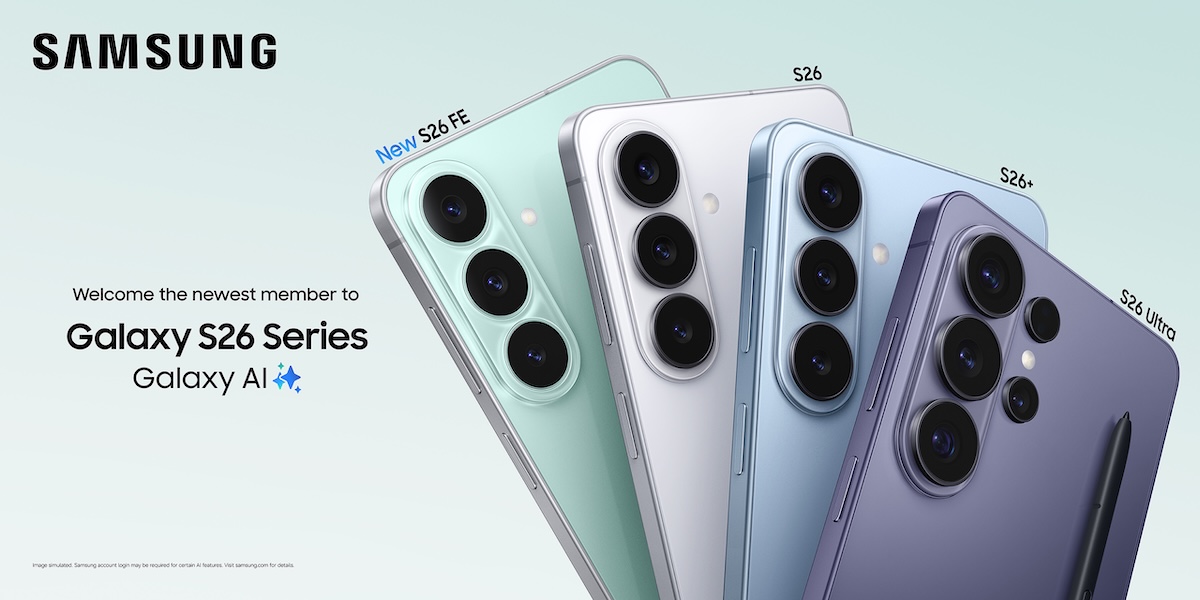
Photo Assist is another major AI feature. It gives users the ability to edit photos using plain-language instructions, rather than relying solely on manual editing tools.
For example, users can ask the phone to:
-
Replace the background with a different scene
-
Transform a daytime image into a night-time shot
-
Add objects to a photograph
-
Remove unwanted people or elements from an image
The feature reflects Samsung’s broader shift towards generative image editing, where the phone interprets written commands and attempts to create the requested result. As with any AI image tool, the quality of the final result will depend on the complexity of the edit, the source photograph and the software’s ability to distinguish between useful adjustment and visual chaos.
Now Brief Gets More Personal
One UI 9 also expands the capabilities of Now Brief, Samsung’s personalised information hub.
Users can now create text widgets with natural-language commands, similarly to how they can issue instructions for AI image edits. The tool supports categories including weather, health and video.
A user could, for instance, ask the phone to summarise protein and carbohydrate intake in relation to their weight and body composition. The AI can then generate a relevant information card inside Now Brief within a few seconds.
The goal is to make information more proactive and less dependent on manually opening separate apps. Instead of browsing through health data, weather information or video summaries individually, users can ask for a specific overview and receive it in a more direct format.
Samsung has not confirmed which of these software tools will eventually reach older devices. Some features could be introduced through future One UI updates, although certain functions may remain exclusive to newer hardware.
Horizon Lock is one feature that may be more limited. The Galaxy S26+ also supports it, but it is unclear whether the Galaxy S25 FE or Galaxy S25+ will receive the same capability.
Familiar Display, Battery and Cameras
Outside of the processor and software, the Galaxy S26 FE closely resembles the Galaxy S25 FE.
It retains a 6.7-inch OLED display with a 1080p+ resolution, a 120Hz refresh rate and peak brightness of 1,900 nits. The panel should remain suitable for everyday use, gaming, media consumption and outdoor visibility, but it does not represent a major step forward for the FE range.
Samsung has also kept the 4,900mAh battery. Charging specifications remain unchanged, with support for 45W wired charging and 15W wireless charging.
The camera hardware is also carried over from the previous generation:
That means buyers should not expect a major leap in imaging hardware. Samsung is instead relying on the newer chipset, improved Nightography and AI-based editing tools to make the camera experience feel more capable.
For users upgrading from a much older Galaxy device, the camera system should still offer a versatile setup with wide, ultra-wide and telephoto shooting options. However, Galaxy S25 FE owners may struggle to find a compelling hardware reason to upgrade unless the new AI features and Exynos 2500 performance improvements are especially important to them.
Seven Years of Updates and Google AI Pro
Like other Galaxy S-series models, the Galaxy S26 FE will receive seven years of operating-system upgrades and security updates.
Long-term software support is increasingly important in the premium and upper-mid-range smartphone market. It gives buyers more confidence that the device will remain secure, compatible with newer apps and supported through multiple Android generations.
Samsung is also including a six-month Google AI Pro trial, valued at $120. The subscription includes 5TB of cloud storage.
This is the first time Samsung has bundled the offer with an S-series device. Previously, the benefit was reserved for Samsung’s Galaxy Z foldable phones.
The addition gives the Galaxy S26 FE a more premium software package, particularly for users who rely on cloud storage or want access to Google’s higher-tier AI services. However, buyers should remember that the free period is limited to six months, after which a paid subscription may be required to continue using the service.
Pricing and Availability
The Samsung Galaxy S26 FE starts at $700 for the 128GB version, with a 256GB model offered more widely and a 512GB edition available in selected regions.
The device will be available in Blueberry, Pistachio and Graphite. Some carriers may begin offering the phone a day earlier.
The Galaxy S26 FE is shaping up as a software-first update. Its AI features, newer Exynos platform, Android 17 software and extended update policy could make it an attractive option for buyers entering the Samsung ecosystem or moving up from an older device.
For Galaxy S25 FE owners, however, the decision will be less straightforward. The core hardware has changed very little, and Samsung’s latest AI tools will need to prove genuinely useful rather than merely impressive in a launch presentation.


