
Xiaomi 18 Fold Leaks: Red Design and Record-Breaking XRING O3 Chip
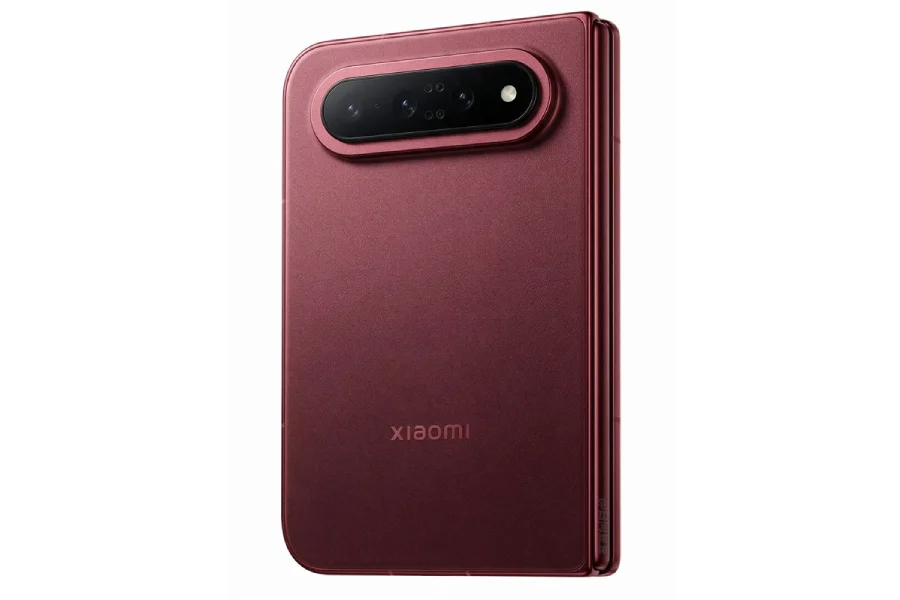
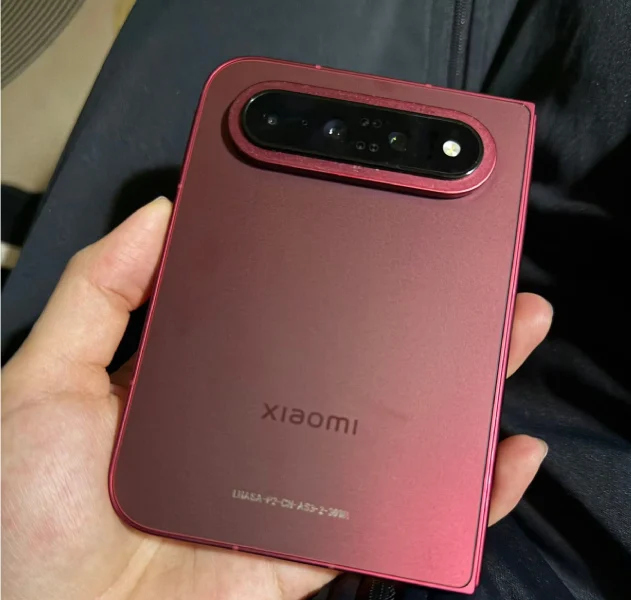
Freshly leaked images of the highly anticipated Xiaomi 18 Fold have surfaced online, offering a detailed glimpse into the upcoming foldable’s design. The new photos closely align with a mysterious device recently spotted in the hands of Xiaomi CEO Lei Jun, building immense excitement ahead of the smartphone’s confirmed September debut.
A Striking Horizontal Design
The newly circulated images showcase the Xiaomi 18 Fold in a vibrant Red finish, a bold colorway highly reminiscent of the aesthetic chosen for the Redmi K100 Pro Max. The rear of the device is dominated by a horizontal camera visor spanning the upper panel, which neatly houses a triple-lens array and an LED flash. Furthermore, the leaked profile shots provide a much clearer perspective on the foldable’s refined form factor and impressively slim chassis.
Beyond its striking exterior, the Xiaomi 18 Fold is positioned to make technological history. Lei Jun has officially verified the device’s September launch window, confirming that the flagship foldable will be the very first smartphone powered by Xiaomi’s proprietary, next-generation silicon: the XRING O3.
The XRING O3: Shattering Benchmark Records
The in-house XRING O3 processor is already generating massive industry buzz. It reportedly achieved a staggering 5.22 million points on AnTuTu, officially making it the first mobile processor to breach the 5-million threshold.
Defying conventional mobile architectures that utilize a mix of performance and efficiency cores (big.LITTLE), the XRING O3 boasts a 10-core CPU configured entirely of high-performance “big” cores. According to Xiaomi, this aggressive, power-focused design yields a multi-core score exceeding 15,000 points—a massive 60% year-over-year performance leap.
Unprecedented Graphics and Memory
Graphical heavy lifting is managed by the brand-new G2-Ultra NX GPU, another technological first for the company. Xiaomi claims this graphics engine delivers an 85% surge in graphical prowess while simultaneously slashing energy consumption by an impressive 64%.
Furthermore, the XRING O3 pioneers support for blazing-fast LPDDR6 memory. This leap in memory technology pushes bandwidth to an unprecedented 113.8GB/s, representing a 48% increase over its predecessor, the XRING O1.

Under the hood, Xiaomi has engineered the processor using what it calls a “unified fusion bus architecture” paired with top-tier metal wiring. This underlying innovation reportedly drives static latency down to a mere 82 nanoseconds. While granular metrics like this dominate synthetic benchmarking conversations, the practical result for consumers is a significantly smoother, more instantly responsive everyday user experience.
Related Posts
-
 Huawei Pura X Max Introduces a New Wide Foldable Design Before Samsung and Apple
-
 Vivo X500, X500 Pro, and X500 Pro Max: Official images with multiple colors revealed
-
 Xiaomi 18 Leak: ‘Magic Back Screen’ to Get Major AI Overhaul
-
 GrapheneOS on Motorola: Razr Ultra, Razr Fold and Flagship Phones Are Part of the Plan