
Snapdragon 8 Elite Gen 6 and Gen 6 Pro Could Split 3nm and 2nm Flagship Phones
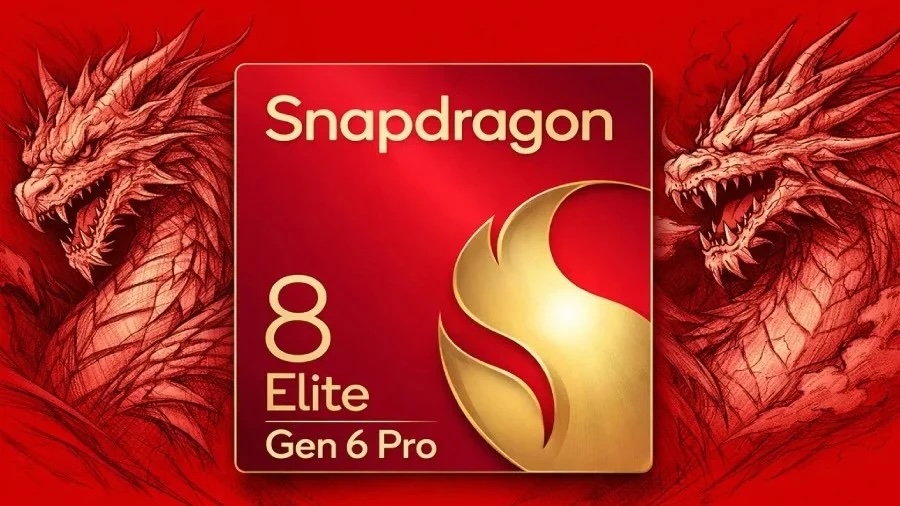
Qualcomm has officially confirmed that two new Snapdragon 8 Elite processors are on the way. The company is expected to unveil its next generation of flagship smartphone chips during the Snapdragon Summit on September 22, and a new teaser strongly suggests that buyers will have two distinct high-end options to choose from.
The announcement points to what Qualcomm calls “Dual 8 Elites,” promising twice the choice alongside the latest connectivity technology, exceptional graphics performance and more immersive mobile gaming. While the company has not yet disclosed product names or specifications, recent leaks offer a fairly detailed preview of what may be announced.
Snapdragon 8 Elite Gen 6 and Gen 6 Pro expected
The two chips are widely expected to be the Snapdragon 8 Elite Gen 6 and Snapdragon 8 Elite Gen 6 Pro. Qualcomm has not confirmed those names, but the split would mark a more clearly tiered approach to its flagship mobile platform.
The standard version could target mainstream premium phones, while the Pro model may be reserved for the most expensive Android flagships. That distinction could become increasingly important if the reported cost of Qualcomm’s top-tier silicon rises sharply.
Leaks suggest that the Snapdragon 8 Elite Gen 6 Pro could cost significantly more than the current Snapdragon 8 Elite Gen 5. If accurate, phone makers may need to make a difficult decision: absorb the higher component cost, raise retail prices or use the non-Pro chip in more affordable flagship models.
2nm Pro chip could widen the gap
The Snapdragon 8 Elite Gen 6 Pro is rumoured to use TSMC’s 2nm manufacturing process, potentially making it Qualcomm’s most advanced smartphone processor to date.
It may feature an octa-core custom Oryon CPU in a 2+3+3 arrangement, paired with an Adreno 850 GPU and 18MB of dedicated graphics memory. The chip is also expected to support LPDDR6 RAM, giving manufacturers access to a newer generation of faster memory.
If these details are accurate, the Pro model could deliver substantial gains in graphics-heavy workloads, high-end gaming, on-device AI processing and sustained performance. However, the real-world advantage will depend not only on Qualcomm’s architecture, but also on cooling systems, power limits and software optimisation inside each phone.
Standard model may retain 3nm design
The regular Snapdragon 8 Elite Gen 6 is expected to use a 3nm process rather than 2nm. It could still feature an octa-core Oryon CPU with the same 2+3+3 structure, although likely with lower clock speeds or more conservative tuning than the Pro version.
Graphics may be handled by an Adreno 845 GPU with 12MB of dedicated memory, while memory support is expected to remain at LPDDR5X rather than move to LPDDR6.
That would still make the standard model a premium flagship processor, but it could give smartphone makers a more manageable alternative to the potentially expensive Pro chip. The strategy could also create a larger performance divide between “regular” flagships and Ultra, Pro or gaming-focused devices in 2026.
Expected Snapdragon 8 Elite Gen 6 specifications
Flagship phone prices could rise again
Qualcomm’s teaser focuses on performance, connectivity and gaming, but the bigger question for consumers may be price. A more expensive Pro processor, combined with rising memory costs, could put further pressure on 2026 flagship phone pricing.
Brands may respond by offering the standard Snapdragon 8 Elite Gen 6 in base models and reserving the 2nm Pro platform for more expensive variants. That would allow manufacturers to market a broad flagship range while limiting the impact of the most costly hardware on entry-level premium devices.
For buyers, it may also make older flagship phones more attractive. Devices powered by the Snapdragon 8 Elite Gen 5 could continue to offer excellent performance at noticeably lower prices once the next generation arrives.
Qualcomm is expected to reveal the full picture at Snapdragon Summit next month. Until then, the leaked specifications, pricing claims and exact divide between the two “8 Elite” chips remain unconfirmed.


