HMD Terra M review: The Nokia 800 Tough grew up and got a job
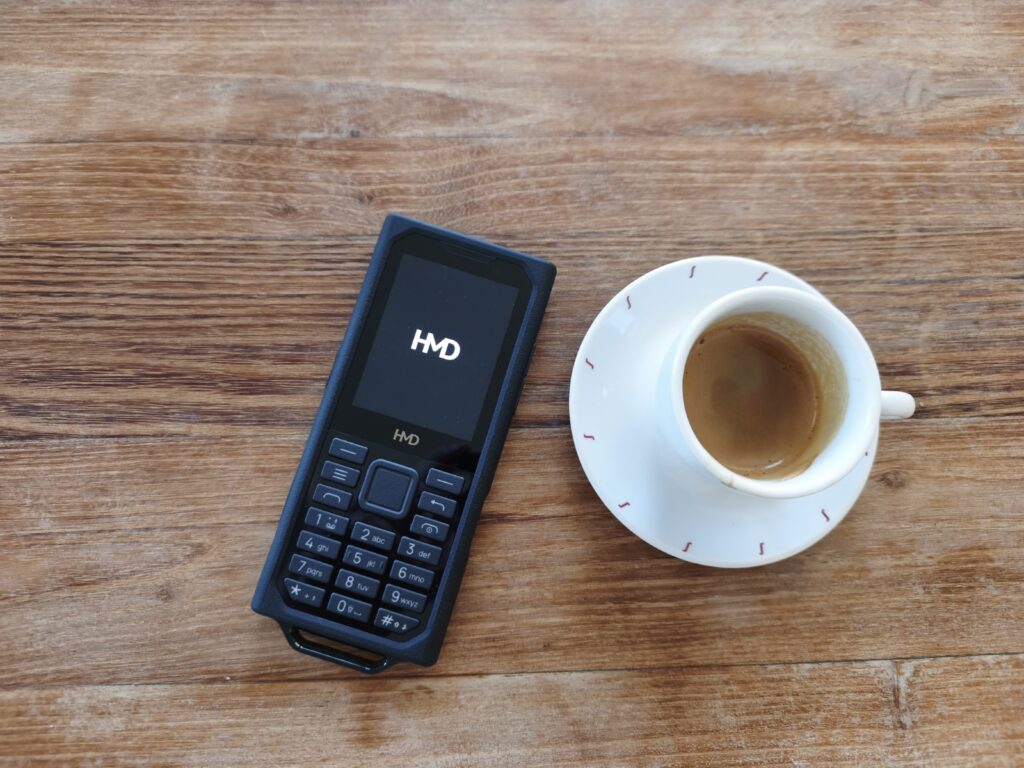
It is a terrible replacement for your modern smartphone. But that may be completely beside the point. There is a simple way to misunderstand the HMD Terra M. Put your (e)SIM card inside, start using it as your everyday phone and compare it with whatever Android or iPhone you normally carry. Do that and you will probably hate it.
The screen is tiny. Typing is slow. Apps designed for six-inch touchscreens suddenly feel as though someone has squeezed Android through a keyhole. There is no point talking about gaming performance, social-media consumption or cinematic photography because the Terra M clearly has no interest in any of those things. And after using it for a while, I realised that this is exactly why I rather like it.
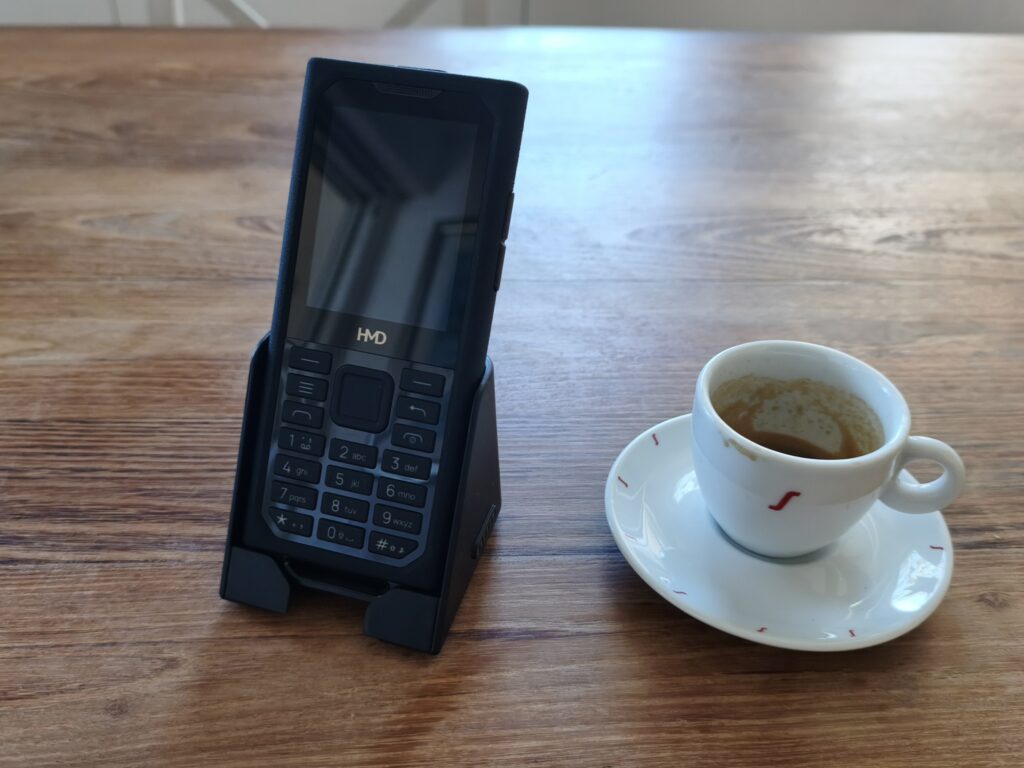
The Terra M is not really a consumer smartphone. It is closer to a modern professional radio/phone built on the DNA of the Nokia 800 Tough. And once you look at it as a tool for hospitals, warehouses, construction sites, security teams, first responders or other organisations that need reliable communication rather than Instagram, the whole device suddenly makes considerably more sense. There is also another, unofficial use case that HMD may not have intended. This might be one of the more interesting digital-detox phones around.
Nokia 800 Tough DNA is everywhere
Anyone who remembers the Nokia 800 Tough will recognise the idea immediately. The old Nokia combined huge physical buttons, a rubberised body, a lanyard loop, water and dust resistance and a design that looked more at home hanging from a work jacket than sitting beside an espresso machine. It was IP68 rated, MIL-STD-810G compliant and designed to survive 1.8-metre drops.
Terra M feels like the same philosophy moved several years forward and, more importantly, moved decisively towards professional users.
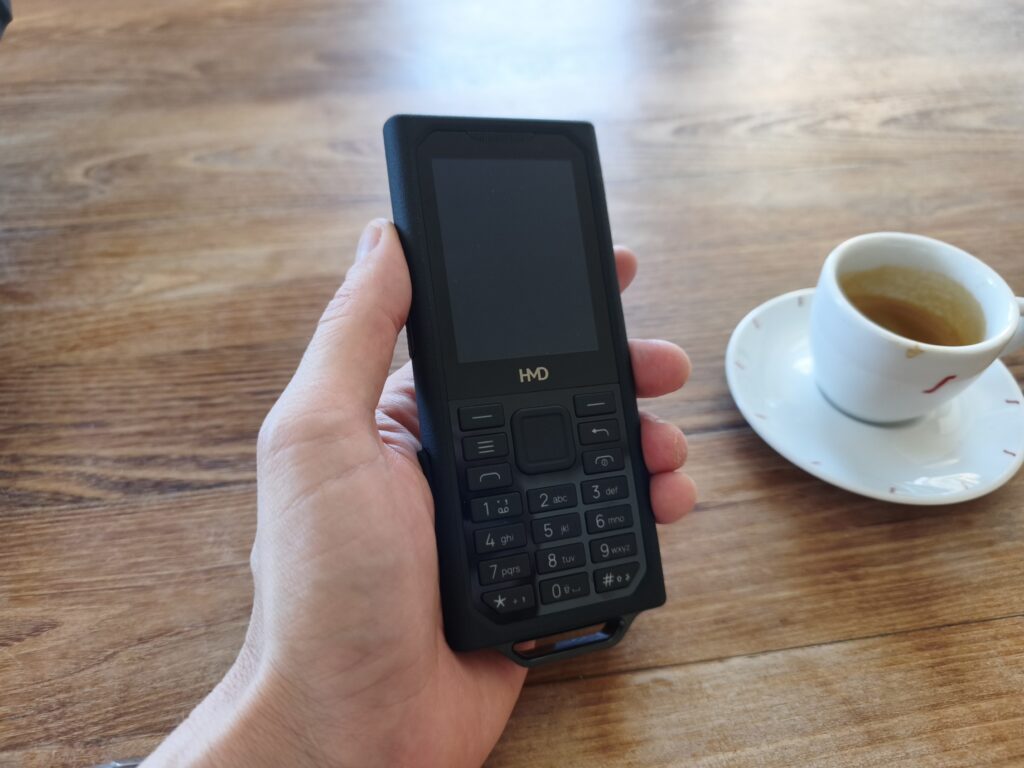
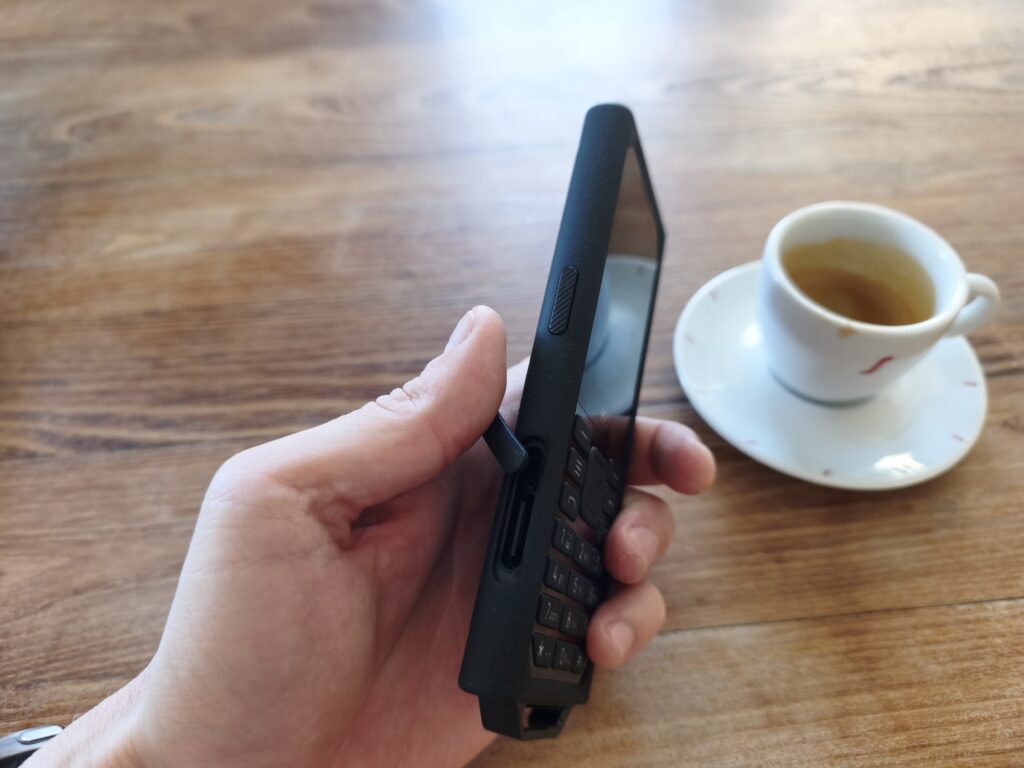
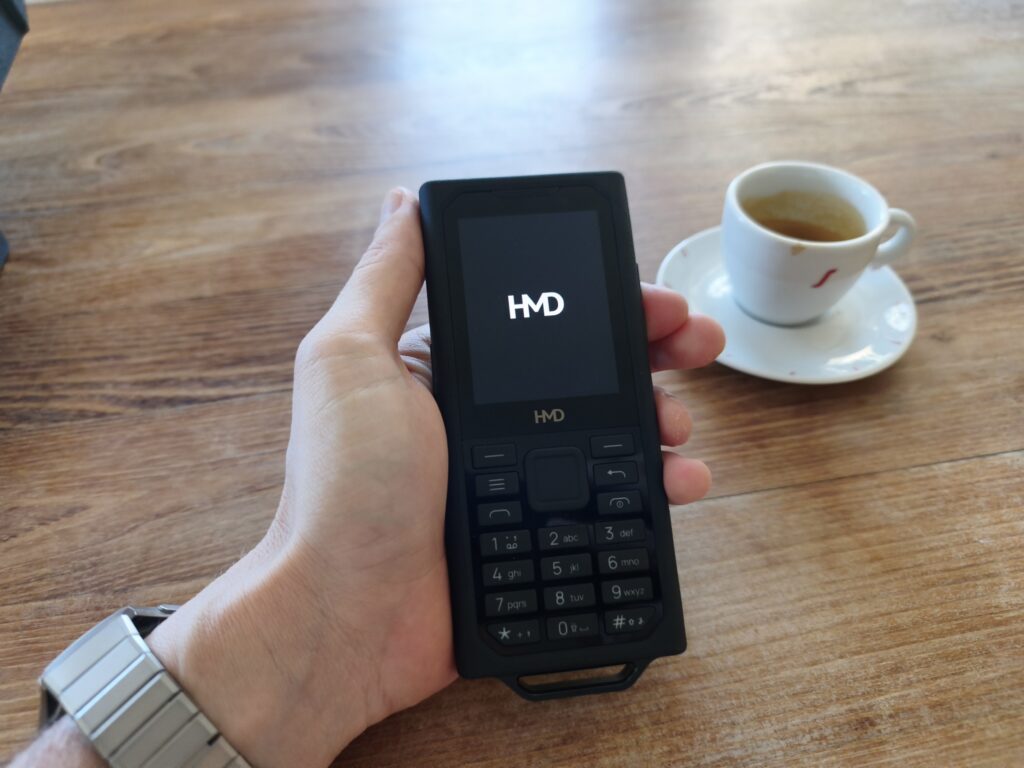
It is chunky at 14.5 mm and surprisingly substantial at 210 grams, but the weight actually works with the design. This isn’t a phone pretending to be rugged with some decorative plastic corners. The textured shell, stainless-steel rear panel, large keyboard and substantial loop at the bottom make it feel like equipment.
HMD has also considerably increased the protection. Terra M carries both IP68 and IP69K ratings, is MIL-STD-810H compliant and is specified to survive accidental drops of up to 1.8 metres. HMD says it remains usable between -25 °C and +55 °C.
Perhaps more interesting for the intended market, HMD also tested it against substances including disinfectant, 2-propanol and petroleum ether. That matters rather more in a hospital, workshop or industrial environment than whether the camera can produce convincing artificial bokeh.
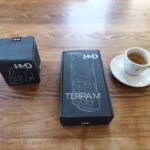
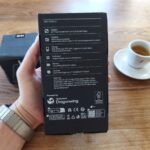
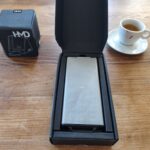
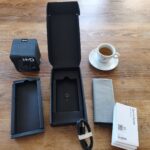
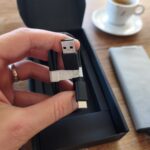
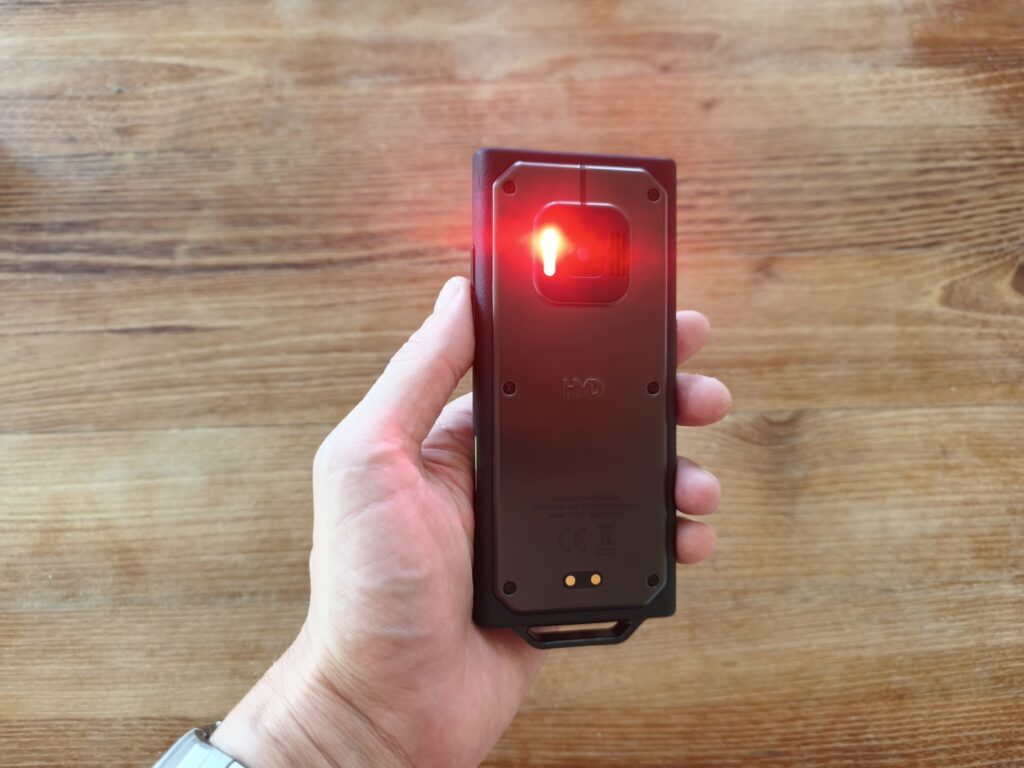
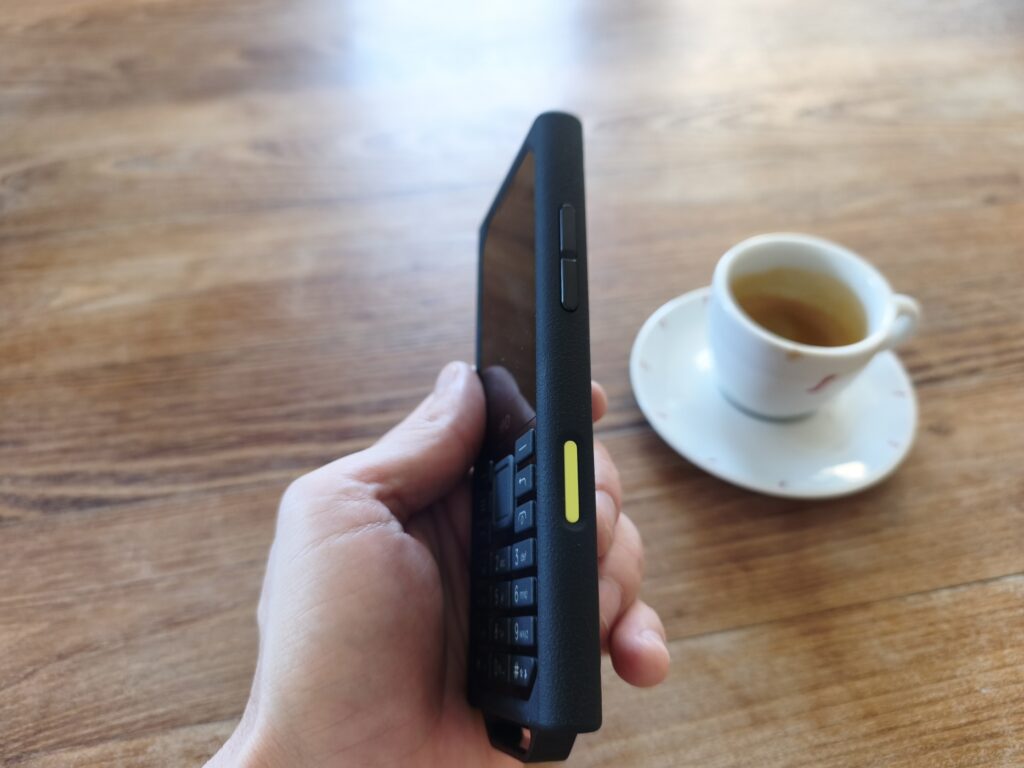
And I like the design. It doesn’t try to hide what it is. The exposed screws on the steel back, camera block, large keys and yellow side button all give Terra M a pleasantly industrial appearance.
A touchscreen phone that doesn’t really want to be a smartphone
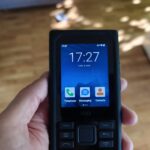
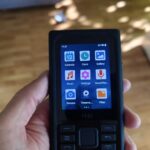
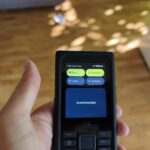
The front contains a 2.8-inch 640 × 480 display covered by Gorilla Glass 3. It is a proper touchscreen, including wet-finger and glove support, which is an important distinction from traditional feature phones. HMD quotes 450 nits normally and 550 nits in high-brightness mode.
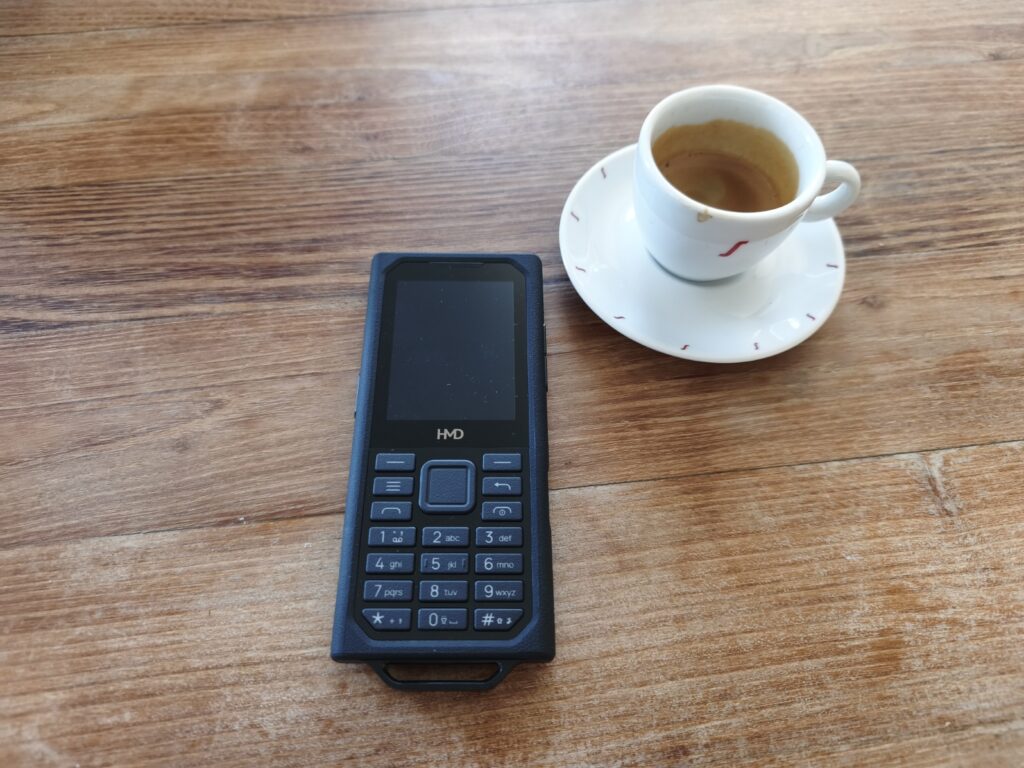
Touch input also makes Terra M considerably easier to navigate than a conventional feature phone. But don’t get too excited. It is still Android on a 2.8-inch screen. And that creates some wonderfully strange moments.
The operating system is extremely basic. HMD calls it Pulse OS in the Terra M specifications, while its comparison material describes the underlying platform as HMD OS based on Android AOSP. In practice, what matters is that this is a stripped-back Android environment without the usual consumer smartphone experience. And because Android is underneath, things get interesting.
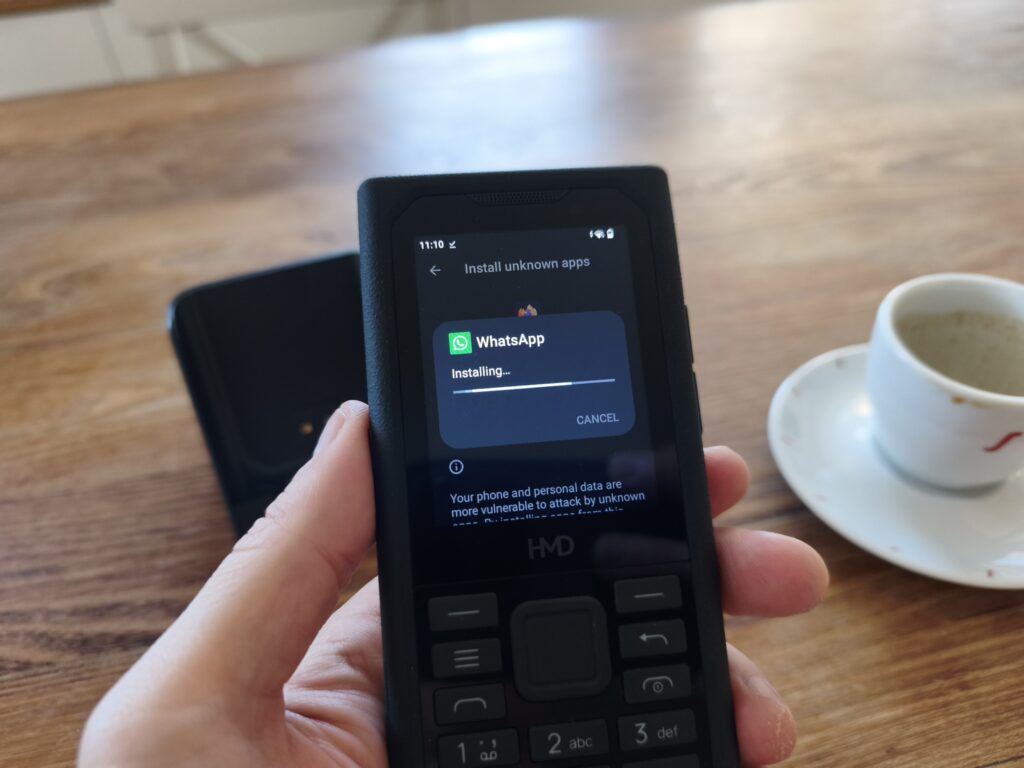
Yes, I installed WhatsApp. This wasn’t really what Terra M was built for, but naturally I tried installing APK files. And yes, WhatsApp can work. However, stat sentence needs a large asterisk beside it. Being able to install an Android application and actually wanting to use one on a 2.8-inch display with a numeric keyboard are two different things. Compatibility also depends heavily on how an individual application has been designed. For example, you can’t install Spotify.
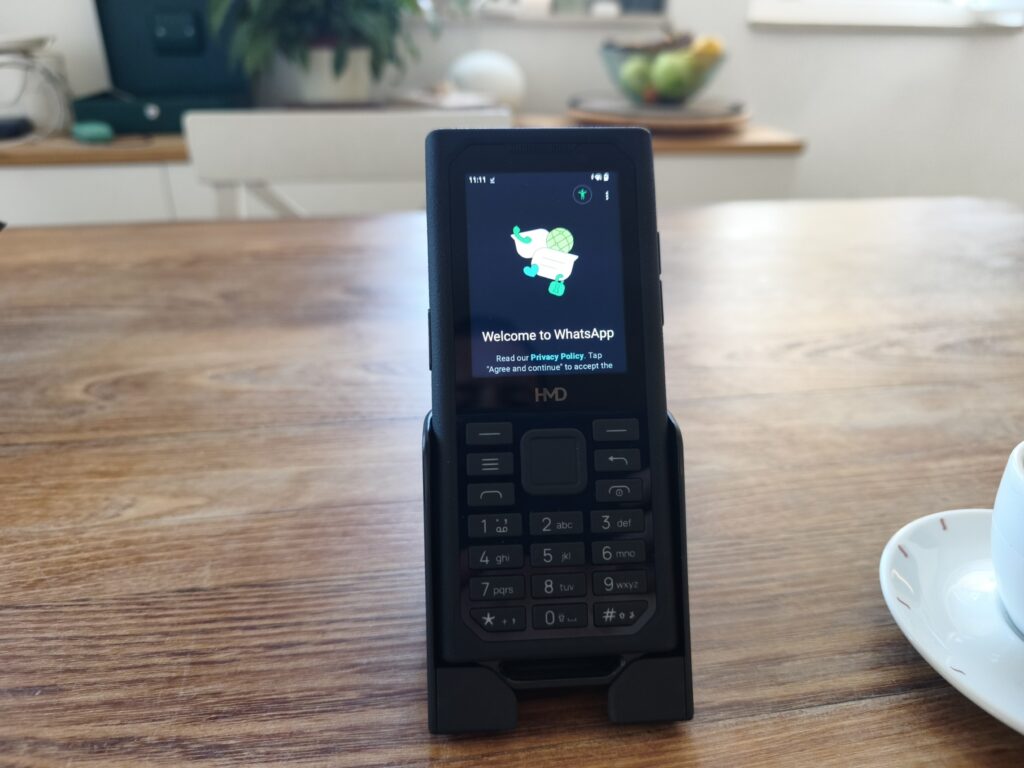
Still, it fundamentally changes what Terra M can be. You can have a phone that is deliberately inconvenient enough to stop you wasting half an hour scrolling through nonsense, while retaining access to some genuinely useful smartphone services. After spending time with Terra M, I started thinking that its limitations could actually be a feature for someone trying to reduce smartphone use. You can be reachable. You can make calls. You have 4G, Wi-Fi, GPS, a browser and potentially WhatsApp. But nobody is spending three hours watching TikTok on this thing. That is digital detox through industrial design.
But Terra M’s real purpose is work
The giveaway is the large coloured button on the side. Terra M has programmable Push-to-Talk and emergency buttons. During setup, my unit offered options including Zello, Mobile Tornado and the default Push-to-Talk service.
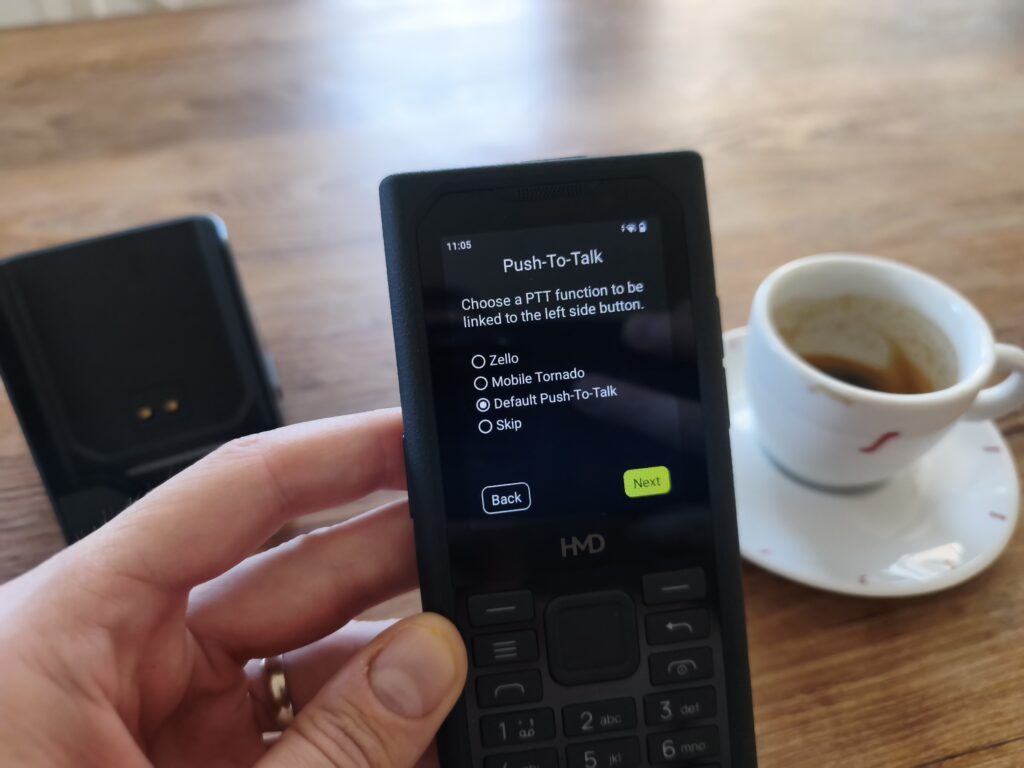
That is much closer to the real reason this phone exists. A security guard can contact a team without digging through menus. A hospital worker can communicate without carrying a fragile €1,000 smartphone. A warehouse employee can scan something, communicate with colleagues and put the phone straight back onto a charging rack.
There is full MDM enrolment support as well, allowing an organisation to manage fleets of devices rather than configuring every phone individually. HMD promises one OS upgrade and quarterly security maintenance releases for five years from launch. That five-year support period is easy to overlook, but for corporate buyers it could be more important than almost anything else on the specifications sheet.
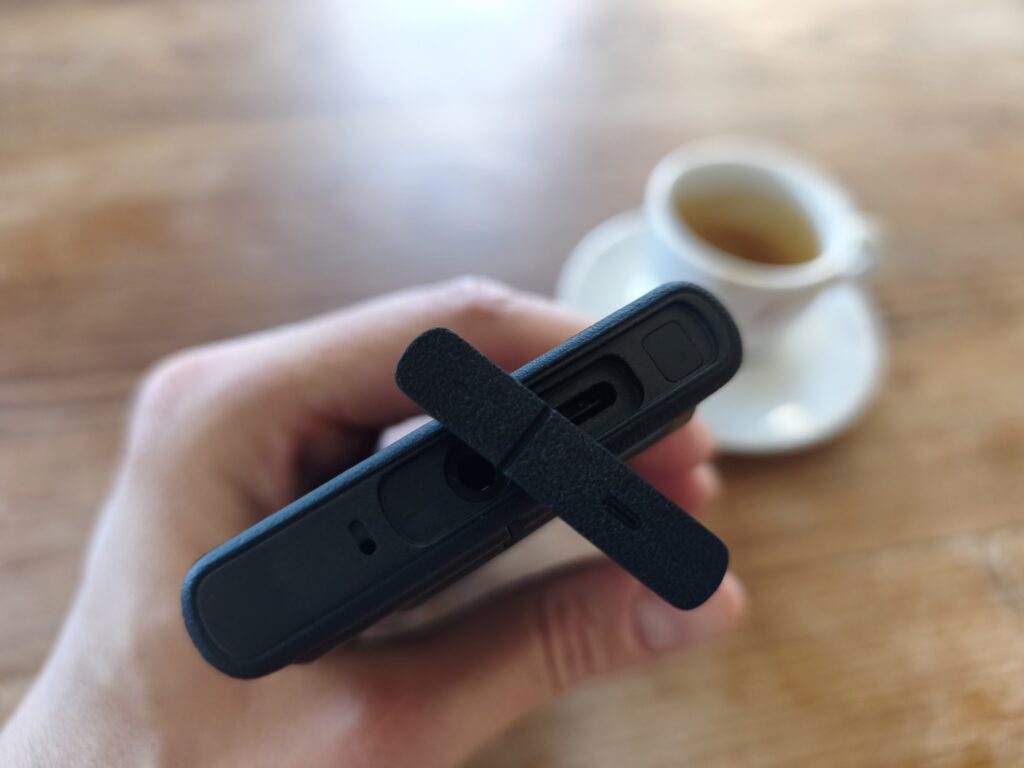
The phone also supports dual nano-SIM plus eSIM, 4G Cat 13, VoLTE, VoWiFi, dual-band Wi-Fi, Bluetooth 5 LE, GPS and NFC — although HMD specifically notes that NFC isn’t intended for payments. There is even a 3.5 mm headphone jack which is protected from dust and water by a rubber seal. How wonderfully practical. And there is also a dedicated red LED light so you don’t blind yourself at night while trying to read the blueprints.
The charging cradle explains the whole phone
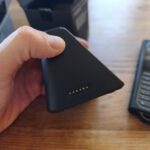
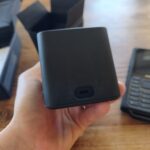
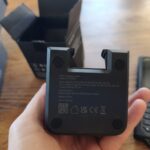
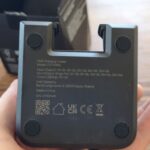
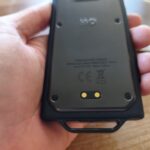
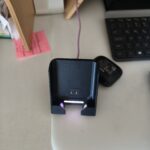
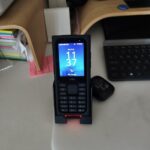
I also received the optional charging cradle, and it may be my favourite part of the Terra M concept. Put one on your bedside table and it looks slightly excessive. Put ten of them beside each other at a hospital reception desk, warehouse or security office and everything clicks. The phone charges through pogo pins on the back, so there are no little USB covers to open every time somebody finishes a shift. Even cleverer, the cradles themselves have contacts on their sides.
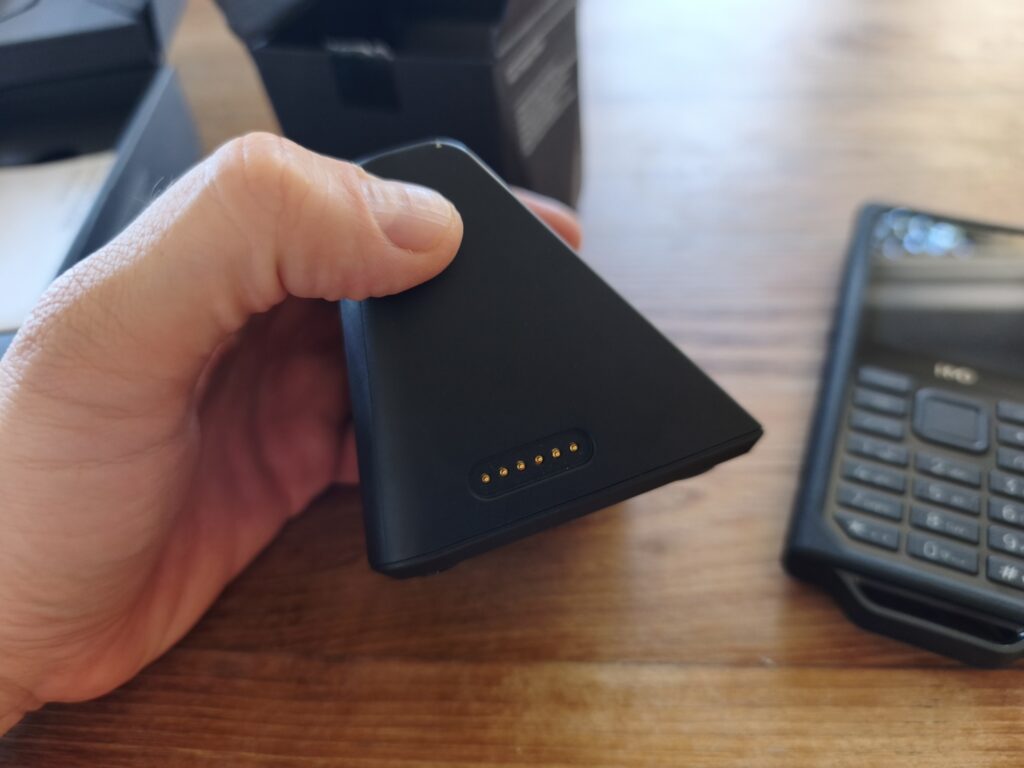
HMD designed them to magnetically connect together, allowing up to ten devices to be charged in a modular stack. That one accessory tells you more about Terra M’s target audience than almost any marketing material. This isn’t a lifestyle phone. It’s fleet equipment.
The camera exists. That’s about the highest praise I have for it There is one rear 8 MP autofocus camera with an f/2.0 lens and LED flash.
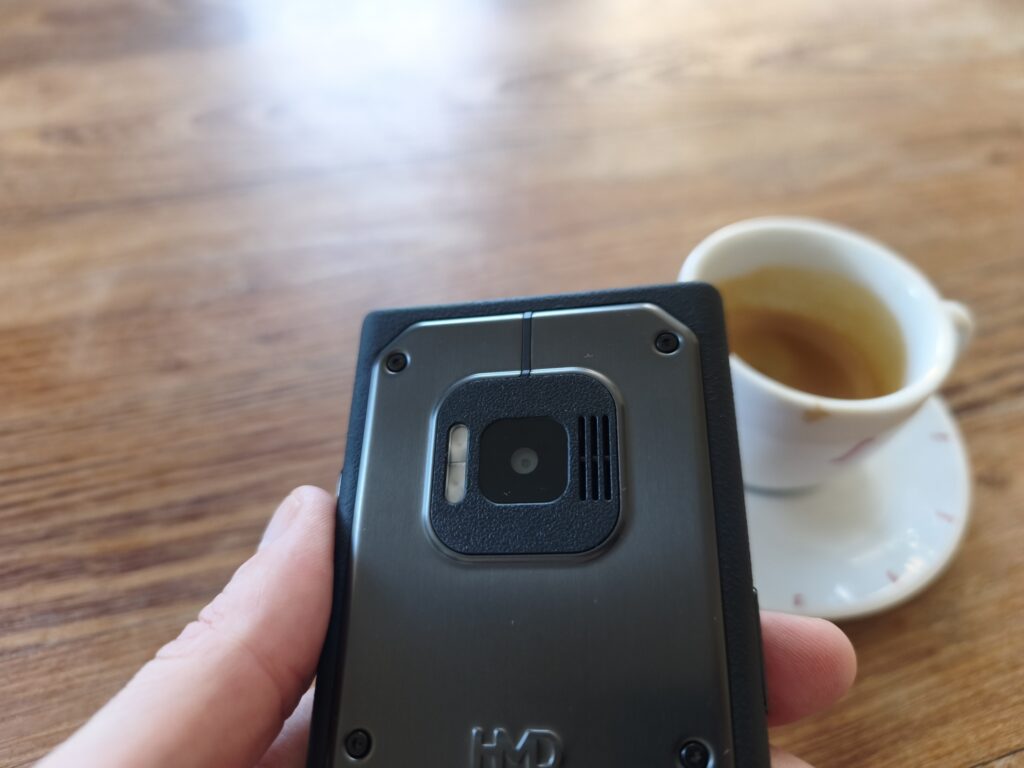
It works. For taking a photo of damaged equipment, recording the condition of something on a site, scanning information or documenting a problem, it is perfectly appropriate. For photographing your holiday in Rome, bring another phone. And I don’t think that is really a criticism. Putting an expensive camera system into Terra M would be like putting Bang & Olufsen speakers into a forklift.


Performance is good enough — until you ask it to be a smartphone. Inside is Qualcomm’s Dragonwing QCM2290 platform paired with 2 GB of RAM and 32 GB of storage. A microSD card of up to 1 TB is supported. Those specifications would be comical on a normal 2026 smartphone. On Terra M they are mostly fine.
The built-in interface, calling functions, PTT, basic navigation and utilities are exactly the sort of workload this hardware was designed around. Start sideloading normal Android applications and its limits quickly become obvious. And this led me to a very simple conclusion during testing. The more you try to turn Terra M into a smartphone, the worse Terra M becomes. Use it for its intended purpose and it makes much more sense.
And the battery is removable
That sentence shouldn’t be noteworthy, yet here we are. The 2510 mAh battery can be removed and replaced without specialist tools. HMD claims up to ten days of standby time and around three hours for a full charge under its test conditions. I am not going to invent an impressive screen-on-time number because that isn’t how I used this phone and, frankly, screen-on-time is almost meaningless for Terra M. The phone will last about 3 to 6 days on a sigle charge depending how you use it.
What matters is that the display is tiny, the hardware is relatively modest, the phone spends much of its life waiting for communication — and when the battery eventually deteriorates, you can replace it. For companies deploying dozens of phones for several years, that is exactly the sort of boring feature that becomes very valuable.
Is it a good phone?
That depends entirely on what you mean by good phone. If somebody gave me Terra M tomorrow and told me I had to replace my normal smartphone with it permanently, I’d probably last a day or two before going mad. Typing long messages isn’t pleasant. Most modern apps were never designed for a display like this. Browsing the modern web feels cramped. Media consumption makes little sense. The camera is basic. And Terra M costs considerably more than an ordinary dumbphone. HMD currently lists it for €199.99 in Germany and £179.99 in the UK.
But that comparison isn’t particularly fair. For a business that needs something rugged, manageable, loud, easy to operate with gloves, resistant to water and disinfectants, equipped with PTT and capable of sitting in a ten-phone charging bank, €200 starts looking very different.
HMD rates the loudspeaker at up to 100 dB and provides dual microphones with echo and noise cancellation, again reinforcing that communication — rather than entertainment — is the priority.
The unexpected conclusion
I started testing HMD Terra M thinking it was an unusually sophisticated feature phone. It isn’t. It is more interesting than that.
The Nokia 800 Tough was essentially a rugged phone for people who wanted something durable. Terra M takes that idea and professionalises it. It adds Android underneath, proper enterprise management, programmable communication buttons, a touchscreen, better connectivity, industrial charging accessories and a much clearer purpose. And somewhere along the way, HMD has accidentally created an interesting digital-detox device too. You can install some smartphone applications. You can get onto the internet. You can remain connected. You simply won’t particularly enjoy spending your entire evening doing it. And perhaps, in 2026, that isn’t such a bad feature to have.
Nokiamob verdict
The HMD Terra M is not a smartphone for everybody, and HMD shouldn’t try to sell it as one. For a normal consumer wanting apps, entertainment and a good camera, there are far better choices. For security staff, hospitals, warehouses, industry, outdoor workers, first responders or businesses managing a fleet of communication devices, however, Terra M is surprisingly convincing. And for the person who secretly wants a Nokia 800 Tough with enough Android inside to keep WhatsApp alive? Well… I might have found your phone.


