
Mobile processors under pressure: How sports betting apps test smartphone limits
Having a freezing app is annoying, and it gets even worse when a race is heading into the final stages, the odds are changing and the bet slip still won’t appear. Users might think that the fault lies with the phone, the network or the bookmaker, but all three could be factors.
Modern sports betting apps available on CheekyPunter look easy, as the interface conceals the work. They are somewhat of a real-time data hub, ingesting prices, scores, statistics, security checks and live betting options and serving them on a single screen. In this article, we will make clear what the most expensive resources of each smartphone are for these apps, why the CPU, RAM, and battery suffer and how to pick the optimized betting software.
Behind the bet: What makes modern sports betting apps so resource-intensive?
Live data is the biggest issue. During large-scale games, odds, scores, timers, player lineups, suspension notices and other market updates may happen every few seconds. The refreshes should be received and displayed without confusing the user, and they should be verified, sorted, and displayed.
The UI is an additional layer. A standard app will include tabs, animations, live scoreboards, streaming tiles, offers and a bet slip. That’s like asking the phone to rearrange the shop window as people move by.
Pressure is increased further with in-play betting. Cash-out values and live prices vary as the match plays out, and screens need to be synced with calculations on the back-end. Security also matters. Overhead such as encryption, login security, device checks, payment security, and location services are required, particularly if regulation dictates approved-market checks.
The performance bottlenecks: CPU, RAM, and battery under fire
Balance is a key factor to a smartphone’s performance. The mobile processor is used to do calculations and update the screen. RAM is used for holding information that is currently being accessed. The battery supplies power to the processor, modem, display, sensors and wireless radios. With all three pushed by one app, smooth betting turns into lag, heat and phone battery drain.
CPU strain: The brain of your phone working overtime
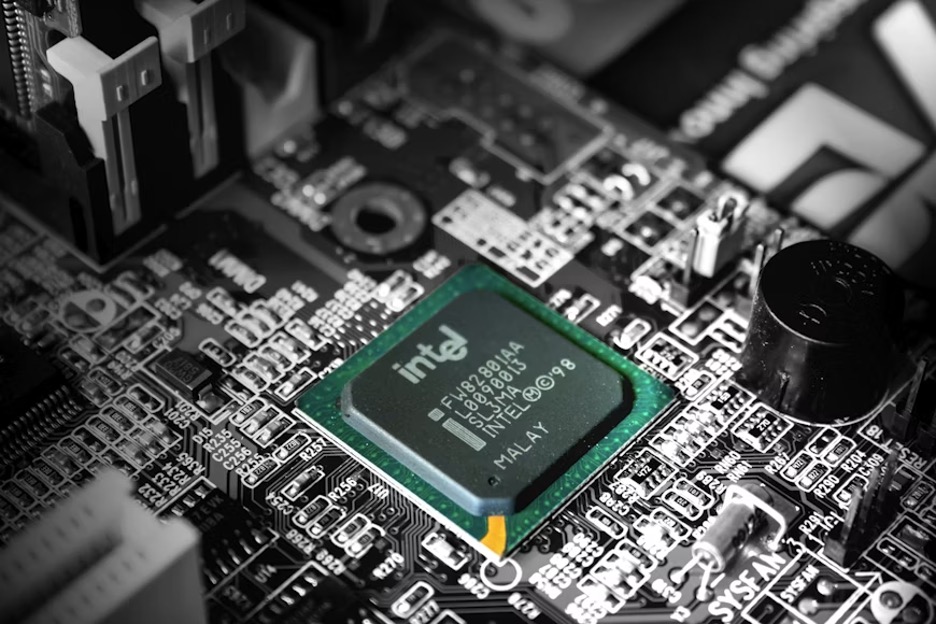
Modern smartphones run on a System on Chip (SoC), a single die integrating the CPU, GPU, modem and memory controllers. For betting apps, it is the CPU that carries the heaviest logic burden: parsing live odds feeds, updating account balances, running security checks and assembling the UI frame by frame. While the GPU assists with rendering visuals, the CPU orchestrates the majority of the app’s core operations.
Imagine that a person is solving math problems, juggling tennis balls and answering questions. In short, that’s not so hard to control. Refreshes can keep the chip busy on a full Saturday football schedule.
Running chips heat up.When sustained loads push temperatures beyond safe thresholds, the SoC’s thermal sensors trigger Dynamic Voltage and Frequency Scaling (DVFS), a joint hardware, firmware and OS mechanism that reduces clock speeds and lowers voltage to cool the chip. For users, this translates to sluggish scrolling, delayed bet-slip confirmations and a handset that feels noticeably warm.
RAM usage: Why multitasking suffers
The short-term memory of the phone is called RAM. It is used in a betting app to store the open markets, live bets, consumer preferences, promotional panels, stored images, session data, and the latest price changes. Having this information easily accessible makes the application seem instant.
It gets troublesome when there is not enough room in RAM. The OS then compresses the data or closes background apps to free up memory. That’s because when you switch to a messaging app or browser, things can quickly become sluggish.
An optimized app frees up old screens, prevents oversized images and does not maintain unnecessary services. A bad coding one can be compared to a desk strewn with all of the documents that have been opened. In the end, something important is forgotten and the user resorts to reloading or freezing.
The silent killer: Unpacking a betting app’s battery drain
The most common problem that users notice is battery drainage. It’s a simple formula: CPU Load + Network Activity + Display = Major Battery Impact. It is not good for sports betting app performance if all three are active simultaneously.
Live markets generate a continuous stream of network requests over 5G or Wi-Fi, keeping the modem active and drawing power even between user interactions. Sensors and radios might awaken as part of location checks. Push notifications, streaming, animation, and bright screens put more strain on. Background refreshes use power even if the app isn’t being used.
Not all betting apps are battery killers, though. Architecture, polling frequency, media use and background behavior is important. Apps that are efficient group requests, stop unneeded updates, and honor system limits. Apps that are not efficient are still making the phone run when a steady jog will suffice.
From high roller to high frustration: How performance impacts your betting
Time has no role in the ideal experience: markets open in an instant, prices clear up clearly and a bet is confirmed before the odds swing. That’s more likely to be the case on a high-end phone with a recent processor and tons of RAM on strong connections.
Smaller restrictions for mid-range and older smartphones. The Cash Out button can get stuck when reviewing a late penalty. Bet slip may update as the user taps confirm. After streaming, the application may crash. The difference in performance becomes more apparent during “peak times” when the servers are busy and live data is hefty.
Finding a winner: how to choose an app that won’t bog down your phone
Read reviews before installing. That includes lag, crashes, heat, background activity and app CPU usage; not just bonuses. Test the app on big-day games, quiet days can be misleading.
Compare apps within the same phone also. Not every developer will address RAM management apps and battery behavior the same. Some have a clean interface with efficient updates, others have the screen cluttered with promotions, trackers and too much media.
Once you know these performance factors, a curated comparison can help refine the search. A list of the best betting apps for mobile can help with that next step, as the page has listings of mobile apps, ratings, reviews, and app-specific notes. The top pick doesn’t have to be the flashiest sportsbook. It is the one that is always on its toes when it counts.


