The Multi-Billion Prize: Why Nokia Needs the EU’s Crackdown on Huawei
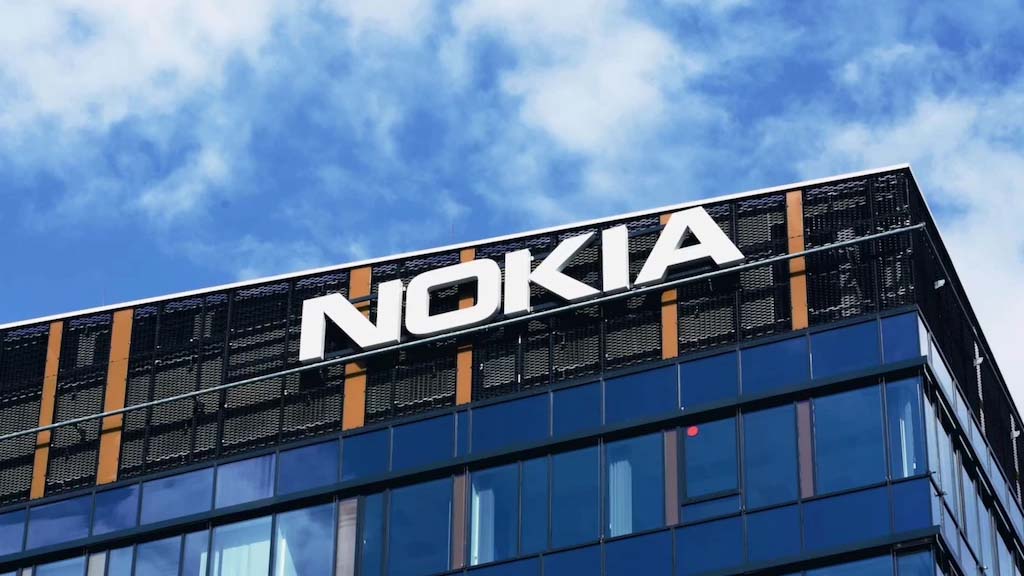
Nokia’s leadership has publicly thrown its weight behind the European Union’s recent legislative moves to bar Huawei from critical infrastructure, framing the regulatory pressure not just as a security necessity, but as a vital corrective for the market.
In a recent statement, Nokia CEO Justin Hotard welcomed the EU’s hardened stance against the Chinese tech giant. As Brussels moves to implement advanced cybersecurity rules that would effectively exclude high-risk vendors from the bloc’s mobile networks, Hotard described the initiative as a “very important step” toward re-establishing digital sovereignty in the region.
The “Trusted Network” Argument “I think, for Europe, this is a very good and important step, because building a trusted network is critical for sovereignty,” Hotard stated.
The CEO’s comments come at a time when the distinction between geopolitical security and commercial viability is blurring. While the official narrative focuses on “trusted network architecture,” the underlying reality is that Nokia is fighting to reclaim territory lost to its Shenzhen-based rival.
Financial Headwinds The endorsement of the ban correlates with a challenging fiscal period for the Finnish telecom company. Since October 2025, Nokia has witnessed an 18% drop in annual revenue growth and a 5% dip in its market valuation in Helsinki. Furthermore, the company has faced significant headwinds in the United States—traditionally one of its most lucrative strongholds—ceding ground just before Hotard assumed the CEO position.
For Nokia, the continued dominance of Huawei in Europe has become a major obstacle to recovery. The Chinese vendor’s aggressive pricing and technological portfolio have made it difficult for European incumbents to expand.
A Multi-Billion Euro Opportunity The potential windfall from a Huawei exit is substantial. Hotard estimates that Huawei’s European business in sectors directly competing with Nokia is worth between €2 billion ($2.17 billion) and €2.5 billion ($2.7 billion) in annual revenue.
Competitor Ericsson supports this assessment, estimating that Chinese vendors currently hold a massive 33% to 40% market share across Europe. For “trusted vendors” like Nokia and Ericsson, the forced removal of Huawei represents a rare opportunity to capture a massive slice of the market that was previously locked down.
Strategic Pivot Moving forward, Nokia plans to realign its strategy to capitalize on this regulatory shift. The company indicated it will focus its resources on markets that place a premium on “Western technology” and security-cleared vendors, effectively positioning itself as the safe harbor for nations looking to decouple from Chinese telecommunications infrastructure.


