
The iPhone 20 Pro Could Get a 3D-Printed Titanium Frame
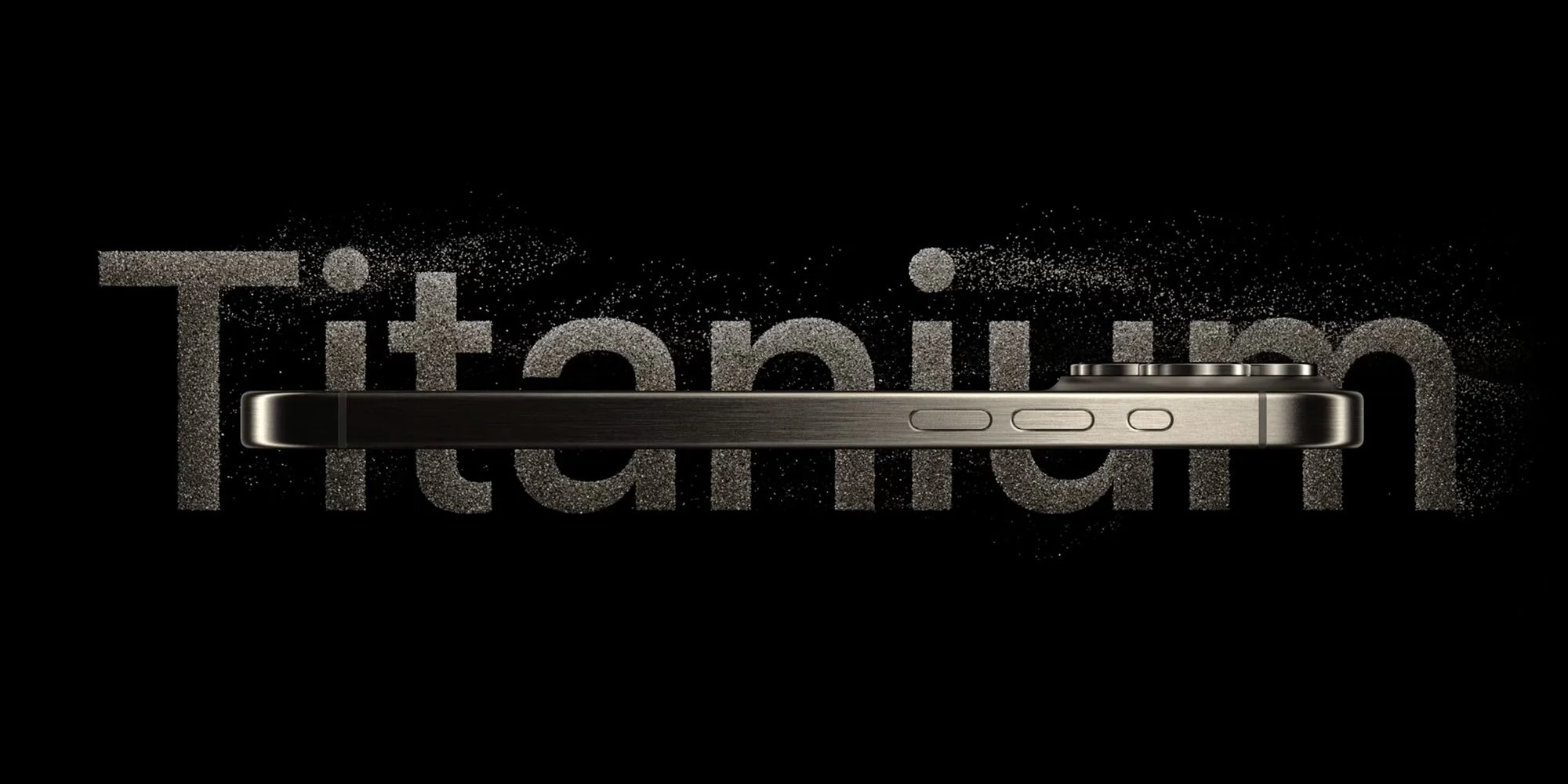
Apple’s rumored iPhone 20 Pro could use 3D-printed titanium for parts of its frame, according to a new claim from a Chinese leaker. The report suggests the manufacturing technique could improve durability, but Apple has not confirmed any details.
The claim comes from the Weibo account Fixed Focus Digital, which says Apple plans to produce parts of the iPhone 20 Pro’s mid-frame using a laser-based titanium powder 3D-printing process. The leaker did not specify which parts would be printed or provide evidence beyond the claim.
What the Leak Claims
Fixed Focus Digital says the iPhone 20 Pro’s mid-frame would be manufactured partly through 3D printing. The process uses lasers to fuse successive layers of titanium powder into a finished component.
The leaker appears confident in the claim, reportedly telling followers to take screenshots of the post and compare it with Apple’s announcement next year. That confidence does not, however, establish that the information is accurate.
The report does not say whether the entire frame would be 3D-printed or whether the technique would apply only to selected structural components. It also does not identify the exact titanium alloy, manufacturing partner or production scale.
A Return to Titanium Would Reverse a Recent Change
Earlier this month, the same leaker claimed that Apple would return to titanium for next year’s 20th-anniversary iPhone models. The current iPhone 18 Pro models use aluminum frames.
Apple used titanium for the iPhone 15 Pro and iPhone 16 Pro before switching to an aluminum unibody design with the iPhone 17 Pro in 2025. Apple highlighted aluminum’s thermal conductivity as part of that redesign, which also introduced a vapor chamber to support sustained performance.
A return to titanium would therefore mark a reversal in Apple’s materials strategy. Titanium can offer a premium feel and strong resistance to damage, but aluminum generally dissipates heat more effectively.
Apple Already Uses 3D-Printed Titanium
The reported technique would not be new to Apple.
Apple says the entire production of Apple Watch Ultra 3 cases and titanium Apple Watch Series 11 cases uses 3D printing with 100 percent recycled aerospace-grade titanium powder. The company also uses the process for the iPhone Air’s USB-C port enclosure.
In Apple’s process, lasers fuse layers of titanium powder, with each case requiring more than 900 layers. Apple says the method allows more complex structural designs than conventional manufacturing and reduces material waste.
For the Apple Watch, Apple says the approach cut raw titanium use by 50 percent compared with earlier generations. The company estimates that more than 400 metric tons of raw titanium will be saved this year as a result.
Why the Technique Could Matter for iPhone
If Apple applies the process to an iPhone frame, it could gain more design flexibility while retaining structural strength.
That could be particularly relevant if Apple proceeds with its rumored glass-heavy 20th-anniversary iPhone design. Bloomberg’s Mark Gurman has reported that the planned Pro models would use front and rear glass panels that curve into the sides around a thin metal band.
Gurman described the planned changes as the biggest overhaul of the Pro line since the iPhone X. He also said a more ambitious design that used even more glass was scrapped early in development.
A 3D-printed titanium band could give Apple a way to create a narrow, complex frame around curved glass. But the report does not establish that this is Apple’s plan.
Thermal Performance Remains a Question
The main uncertainty is heat management.
Apple moved the Pro lineup from titanium to aluminum partly because aluminum offers superior heat dissipation. The iPhone 17 Pro’s aluminum unibody and vapor chamber were designed to improve sustained performance.
If the iPhone 20 Pro returns to titanium, Apple would need to address how it manages heat from the processor, charging system and camera hardware. The leak does not explain how Apple would solve that issue.
It is possible that a titanium frame could be paired with improved internal cooling, but no such details have been reported.
Launch Timing and Naming Remain Unconfirmed
Apple is expected to launch the iPhone 20 Pro series in fall 2027. Leakers have used the “iPhone 20 Pro” name, but Apple has not confirmed its branding plans.
For now, the 3D-printed titanium claim should be treated as an early and unverified rumor. It fits with Apple’s existing use of the technology, but it does not prove that the next Pro iPhone will use a titanium frame.


