
Apple’s iPhone Duo Display Crisis Deepens Amid Allegations of Compromised Quality Control
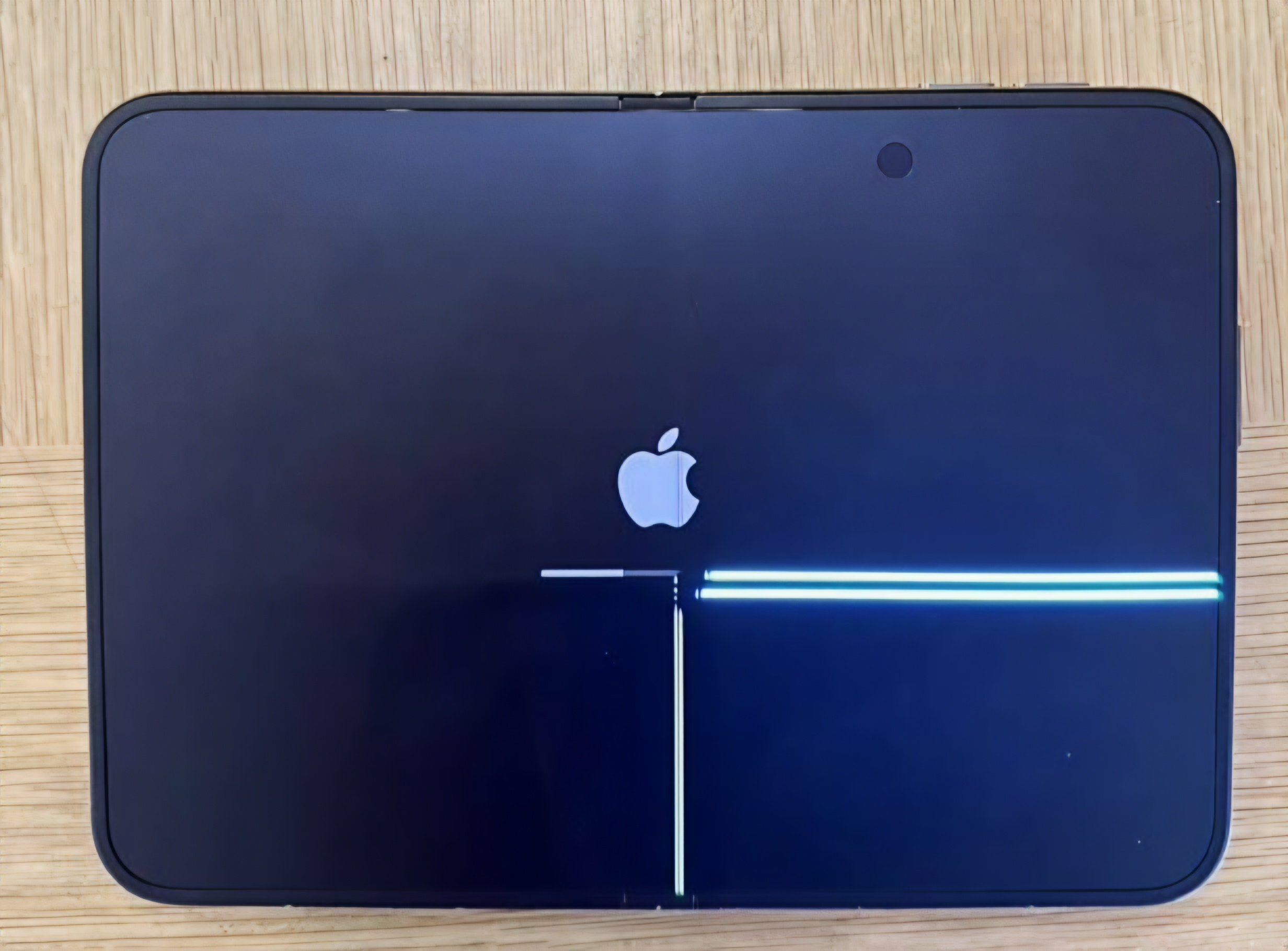
The burgeoning controversy surrounding display failures on the newly released iPhone Duo may be far more systemic than initially presumed, with new allegations pointing to intentional compromises in manufacturing standards.
According to a recent report by Chinese media outlet Jiemian News, a whistleblower within Foxconn claims that Apple deliberately relaxed stringent quality control protocols to ensure adequate supply of the iPhone Duo. This internal decision, reportedly driven by severe production bottlenecks, suggests that devices failing to meet Apple’s traditional, rigorous inspection criteria were nonetheless pushed down the line to consumers.
Adding weight to these claims, the Foxconn employee noted that the iPhone Duo production line has already been forced to execute an emergency swap of specific components in direct response to the emerging hardware failures. Despite this frantic pivot on the factory floor, Apple’s overarching production quotas and shipment timelines have reportedly remained unaltered.
These revelations connect seamlessly to earlier supply chain murmurs. In September, prominent industry insider Ice Universe—a historically reliable source for smartphone manufacturing leaks—highlighted that the iPhone Duo’s final assembly yield was struggling to break the 60% threshold, explicitly citing the device’s complex hinge and foldable display as the primary manufacturing bottlenecks.
Fast forward to the present day: within a mere week of the flagship’s high-profile launch, a growing chorus of early adopters are reporting catastrophic hardware failures, most notably cracked inner displays and malfunctioning screens.
This timeline forces a critical question onto the tech giant: Was Apple fully aware of these severe quality risks prior to launch, and did the company consciously accept a higher consumer failure rate simply to meet its initial shipment targets?
If the allegations from the Foxconn floor are verified, this transcends a standard hardware glitch and ventures into the territory of a major corporate controversy. For a flagship device commanding a premium price tag, Apple faces mounting pressure to transparently disclose the exact quality assurance standards applied to the initial batch of the iPhone Duo, and whether knowingly defective units were permitted to reach the retail market.


