
HMD Pulse Pro and Crest Max Reloaded: MediaTek Chips and 120Hz Screens Incoming
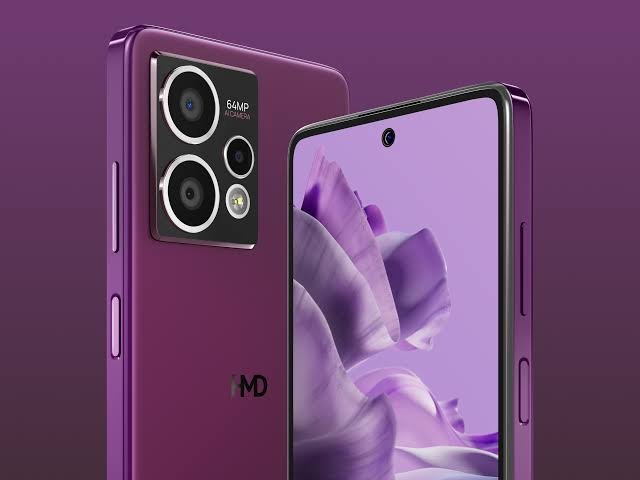
HMD Global is reportedly preparing a hardware refresh for its European mid-range smartphone lineup, directly targeting the most frequent consumer criticism of its current models: underwhelming performance. Recent leaks indicate that the Pulse Pro, Crest Max, and the modular Fusion will all receive significant chipset upgrades to deliver a snappier daily experience without drastically altering their design or price positioning.
The most substantial overhaul belongs to the HMD Pulse Pro. Originally launched in April 2024 with a sluggish Unisoc T606 processor and 128GB of storage, the revised model will reportedly adopt the MediaTek Helio G99—a chip expected to yield a 45 percent performance boost. The display is also getting a tweak; the new Pulse Pro will swap the 6.65-inch 90Hz HD+ IPS screen for a slightly tighter 6.56-inch panel with a smoother 120Hz refresh rate. Storage will double to 256GB, while the 8GB of RAM, dual rear camera setup (featuring a 50MP main sensor), 50MP selfie camera, and 5,000mAh battery with 20W charging remain unchanged.
Similarly, the HMD Crest Max is in line for an under-the-hood tune-up. The original August 2024 release utilized a Unisoc T760, which will now be replaced by a far more capable MediaTek Dimensity 7025. The rest of the spec sheet—including the 6.67-inch Full HD+ OLED display, 64MP-led triple camera array, 50MP front shooter, 8GB of RAM, 256GB of storage, and 5,000mAh battery with 33W charging—will carry over untouched.
The company is also addressing the mixed feedback surrounding its modular Fusion device. Criticized for its mediocre display resolution and sluggish processing, the updated Fusion will graduate from a Snapdragon 4 Gen 2 to a Snapdragon 7s Gen 2, promising a 25 percent increase in CPU performance. Additionally, the refresh will introduce a sharper, higher-resolution 120Hz display panel.
While the original Pulse Pro and Crest Max earned praise for their strong software support and highly sought-after user-replaceable batteries, their real-world speed left much to be desired. By migrating to stronger MediaTek and Qualcomm silicon, HMD Global is poised to retain its devices’ best utility-focused features while eliminating their most glaring daily bottlenecks.


