
How to Budget In-Game Currency Before a Fresh MMO Launch
A fresh MMO economy creates a strange kind of pressure. Almost every useful purchase competes for the same limited currency: training, travel, profession materials, consumables, repairs, bags, crafted gear, and whatever appears on the player market. Spending too early can leave a character short when a major unlock arrives, while saving everything can make levelling unnecessarily slow. The useful question is therefore not “How much gold can I get?” but “Which expense should my next block of gold solve?”
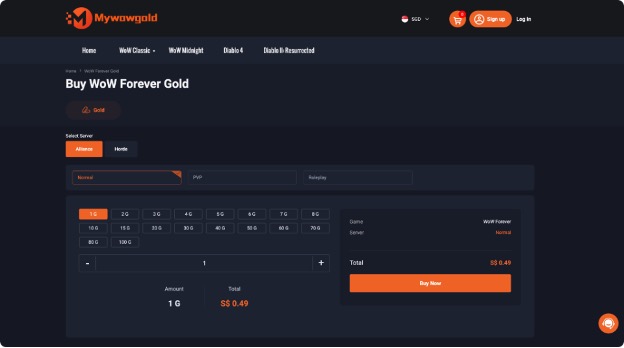
Generic advice such as “farm more” or “save your currency” does not tell you when to spend, what to postpone, or how to compare farming with actual progression. A better approach is to build a short plan around the next milestone, then choose the least disruptive way to fund it. If normal play does not cover the gap and extra farming would replace the activity you actually want to do, Buy WoW Forever Gold can be one route to examine alongside continued farming, provided you first check the game’s current rules on third-party currency transactions. The method below works even if you never use an external marketplace.
Build a Currency Plan Around Milestones
Do not start with a large target such as “save as much as possible.” Start with the next two or three expenses that can change what your character is able to do. A travel upgrade may reduce time between objectives. Professional training may unlock recipes or gathering efficiency. Consumables may be necessary for scheduled group content. Each has a different deadline and consequence if delayed.
Write down the expense, when you expect to need it, and whether missing it blocks progress or merely slows it. A blocking expense deserves a reserve. A convenience purchase can wait. This prevents optional purchases from quietly consuming currency meant for a major milestone.
It also gives you a stopping point for farming. Once the next required expense and routine reserve are covered, more farming may no longer be the best use of your session. Currency is a tool for progression, not a score that always needs to rise.
Separate Necessary Spending From Optional Spending
A useful launch budget has three layers. The first covers unavoidable operating costs such as repairs, basic training, reagents, or other recurring fees. The second covers planned progression purchases such as riding, profession advancement, or materials for an item you have already decided to make. The third is optional spending: convenience upgrades, speculative purchases, and items that look attractive but do not solve an immediate problem.
When you are unsure where an item belongs, use a delay test. Ask what happens if you do not buy it for the next two play sessions. If nothing important changes, the purchase is probably optional. If delaying it prevents a profession step, a group activity, or a major travel upgrade, it belongs higher in the budget.
This matters in a young economy because prices can be unstable. A material that looks scarce today may become common when more players reach the same zone. Buying early can be sensible when the item unlocks immediate progress, but buying simply because prices might rise is speculation. Keep progression spending and market speculation separate so one does not consume the other’s reserve.
Decide How to Cover a Currency Shortfall
Once you know the size of the gap, compare ways to close it by time, risk, and usefulness rather than by currency alone.
- Measure the Actual Shortfall
Subtract your current usable balance from the cost of the next priority expense, then add only the routine costs you expect before reaching it. Do not include every possible future purchase. If you need 40 units for a milestone and already have 31, your problem is a nine-unit gap, not a reason to build a 100-unit stockpile.
This keeps the decision proportionate. Small gaps may disappear through questing, vendor income, or selling gathered materials. Larger gaps justify deliberate farming or a change in spending.
- Compare Farming With Normal Progression
Estimate what you give up by farming. A route that produces useful currency while also giving experience, reputation, profession materials, or quest progress has a lower opportunity cost than standing in one place purely to grind. The best farming method is often the one that overlaps with another goal.
Use test sessions rather than trusting a claimed hourly rate. Record your starting balance, ending balance, time spent, and any materials still unsold. If the route produces inconsistent results or depends heavily on auction prices, treat its expected return conservatively.
- Check External Options Before Paying
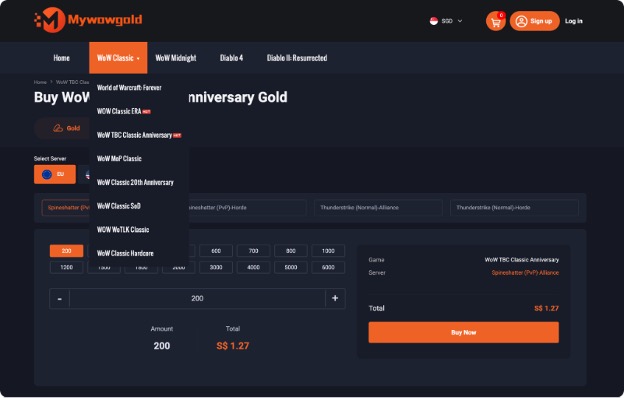
An external marketplace should be considered only after you know the exact shortage and have checked the publisher’s current rules, because third-party real-money trading may be restricted or unauthorized. If you still decide to compare an external option, use WoW Forever Gold only after matching the order to the correct ruleset and faction, choosing a quantity close to the identified gap, and reviewing the listed price and delivery information before checkout. Never provide unnecessary account credentials, and stop if the transaction requirements do not match what the public page describes.
The decision after that check is simple: proceed only if the order fits the character you actually play, the amount solves a defined expense, and you accept the relevant account or policy risk. Otherwise, return to normal earning methods.
- Recalculate After the Purchase or Farm
Do not keep using the old budget after the gap is closed. Mark the milestone as funded, set aside routine costs, and identify the next expense. This prevents a completed target from turning into open-ended spending.
A budget should move with the character. The purpose is to make each block of currency answer a specific question: what does this unlock next?
Avoid Launch-Economy Mistakes That Waste Gold
One mistake is buying materials without comparing their finished value. If you are levelling a profession, check whether the crafted item is actually useful to you or likely to sell for more than the inputs. When raw materials are more valuable than the result, selling the materials and postponing the craft may be the better choice.
The second mistake is treating market prices as permanent. Fresh economies change as players level, unlock gathering routes, and begin producing more items. A high price can reflect temporary scarcity rather than lasting value. For nonessential goods, watch several listings over time instead of reacting to one expensive snapshot.
The third mistake is letting routine expenses become invisible. Repairs, consumables, travel, listing fees, and small upgrades can drain a reserve through repeated minor purchases. Set a floor below which you do not spend unless the purchase directly supports the next milestone.
Finally, keep beta, early-access, seasonal, or launch environments separate in your planning. Currency, characters, rulesets, or progress may not transfer between phases. Before spending significant time or money, verify which environment your character is in and whether the resource you are acquiring remains useful there.
Make Every Gold Decision Serve Progress
A workable currency plan is small enough to update after every major milestone. Identify the next important expense, separate required purchases from optional ones, measure the real shortfall, and compare ways to close it without assuming that more farming is always better. When a route produces currency while advancing another objective, it is usually more efficient than a grind that exists only to increase your balance. When prices are unstable, delay nonessential purchases until you have a clearer reason to act.
The same framework also protects against overspending. You are less likely to chase speculative items, oversized reserves, or poorly matched transactions when every purchase must answer a defined need. Over time, the useful habit is not memorising one farming route or one launch-week price. It is learning to connect currency with milestones, opportunity cost, and risk. That turns an uncertain fresh economy into a sequence of manageable decisions, even as prices, player supply, and your own priorities change.


