
Nothing and Samsung Price Hikes: How Global Memory Costs Impact You

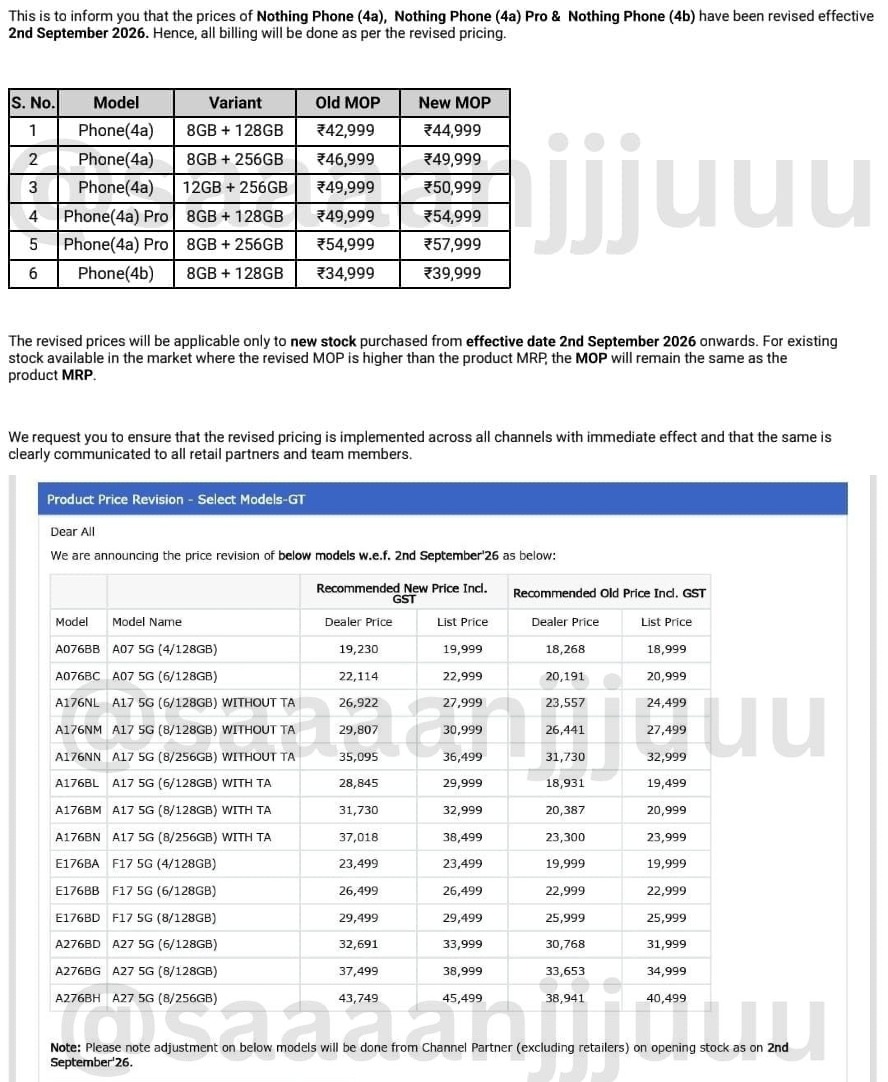
In a coordinated blow to consumer wallets, tech manufacturers Nothing and Samsung have simultaneously raised the retail prices across a wide range of their smartphone models. This synchronized move underscores a broader, industry-wide trend in 2026: the era of the aggressively priced budget and mid-range smartphone may be coming to an end.
While eagle-eyed shoppers can still find these affected models at their original, lower prices on e-commerce platforms like Amazon and Flipkart, this window of opportunity is rapidly closing. Once the current retail inventory is depleted, the new, inflated rates will become the permanent standard.
The Staggering Reality of 2026 Pricing
The smartphone market has seen relentless price adjustments throughout 2026, with almost every major brand passing escalating manufacturing costs down to the consumer. The scale of these hikes is unprecedented; in one stark example, a handset that debuted in March with a price tag of ₹22,999 is now commanding a retail price of ₹34,999.
This isn’t an isolated incident. Samsung recently implemented similar quiet price adjustments on its popular Galaxy F17 and M17 lines. Now, this latest wave of simultaneous hikes from both Samsung and Nothing confirms that market volatility is accelerating.
The Root Cause: The Global Memory Squeeze
What is driving this sudden and steep inflation in mobile hardware? Industry analysts and supply chain insiders point to a singular, global culprit: the surging cost of memory components.
The prices for DRAM (Dynamic Random Access Memory) and NAND flash memory—the critical silicon that powers a smartphone’s multitasking and storage capabilities—have been climbing aggressively worldwide. For months, manufacturers absorbed these supply chain fluctuations to maintain competitive pricing. However, as the raw material costs continue to peak, brands are finally being forced to pass the financial burden directly onto their customers.
The Consumer Takeaway: Buy Now or Pay Later
For consumers currently in the market for an upgrade, the advice from market watchers is unanimous: act immediately.
Because third-party retailers like Amazon and Flipkart are currently clearing out stock purchased at the older, lower wholesale rates, buyers have a brief grace period to secure a device before the new pricing takes full effect. With component costs showing no signs of stabilizing, smartphone prices are currently heading in only one direction—up.


