
HyperOS 4 Update: Xiaomi Limiting New Software to Android 17
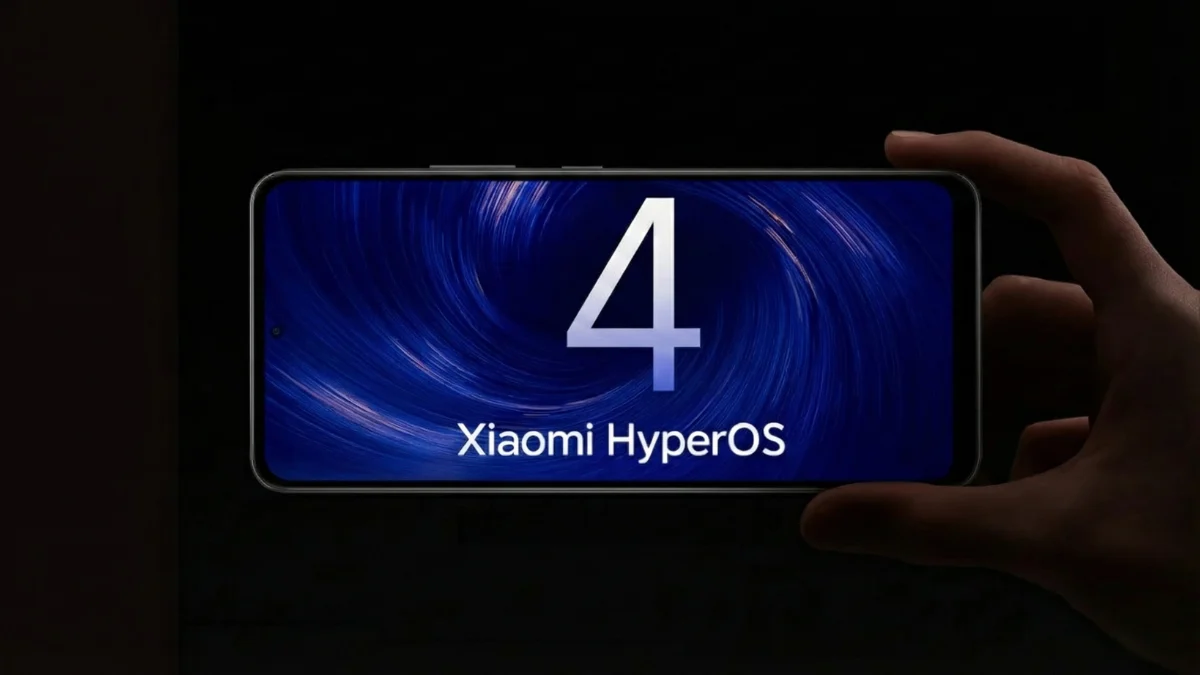
Xiaomi’s upcoming HyperOS 4 promises to deliver a comprehensive overhaul to its smartphone ecosystem, introducing substantial visual refinements, performance enhancements, and new artificial intelligence capabilities. While the beta program is already live for over a dozen models in China ahead of an imminent stable release, recent data suggests the rollout may exclude a significant portion of the company’s user base.
According to recent findings, Xiaomi appears to be abandoning its long-standing tradition of deploying its latest user interface to older Android versions, potentially leaving Android 16 devices out of the HyperOS 4 update cycle.
The Data Pointing to an Android 17 Exclusive
The shift in strategy was first highlighted by tech publication Ximitime, which tracked the internal testing phases of the upcoming software.
The data reveals a stark dividing line based on the underlying operating system:
-
Android 17 Devices: Of the 112 Xiaomi smartphones slated to receive the Android 17 update, 108 have already entered internal testing for HyperOS 4.
-
Android 16 Devices: Currently, zero devices running on Android 16 are listed in the HyperOS 4 testing phase.
The complete absence of Android 16 devices strongly indicates that Xiaomi is not actively developing a HyperOS 4 build tailored for older operating systems.
A Break from Historical Precedent
If these testing patterns hold true for the final public release, it will mark a major departure from Xiaomi’s historical software rollout strategy.
Unlike many competitors, Xiaomi has traditionally pushed its latest custom interfaces to devices stuck on older operating systems. For example, the previous major upgrade, HyperOS 3, was made available to numerous older devices running Android 15. While those older phones did not receive the complete suite of features available to the newest flagships, they still benefited from the updated UI and core software improvements. HyperOS 4 was widely expected to follow this same inclusive pattern.
Why is Xiaomi Changing Course?
While the company has yet to release an official statement regarding device eligibility, industry analysts view this potential shift as a calculated move to streamline operations.
Developing, optimizing, and maintaining a new proprietary software skin across multiple generations of underlying Android architectures requires immense engineering resources. By tethering HyperOS 4 exclusively to Android 17, Xiaomi can significantly reduce research and development (R&D) costs and accelerate software deployment. This aligns with a broader trend among Chinese smartphone manufacturers, who are increasingly looking to optimize their development cycles and cut unnecessary software overhead.
For users, however, it means the hardware upgrade cycle may be strictly tied to software longevity moving forward.
Related Posts
-
 Realme C85 India Launch Set for Nov 28: 7,000mAh Battery and IP69 Rating Confirmed
-
 Nothing Phone (4a) Arrives in March: Minimalist Design and Advanced LED Lighting Unveiled
-
 OnePlus Gaming Phones Incoming: New Line Targets Mobile Gamers
-
 Samsung Exynos 2700 Reportedly Outperforms Qualcomm’s Next Flagship Chips