
HMD Brings Back Live Tiles: Is an Android-Powered Lumia Remake on the Horizon?
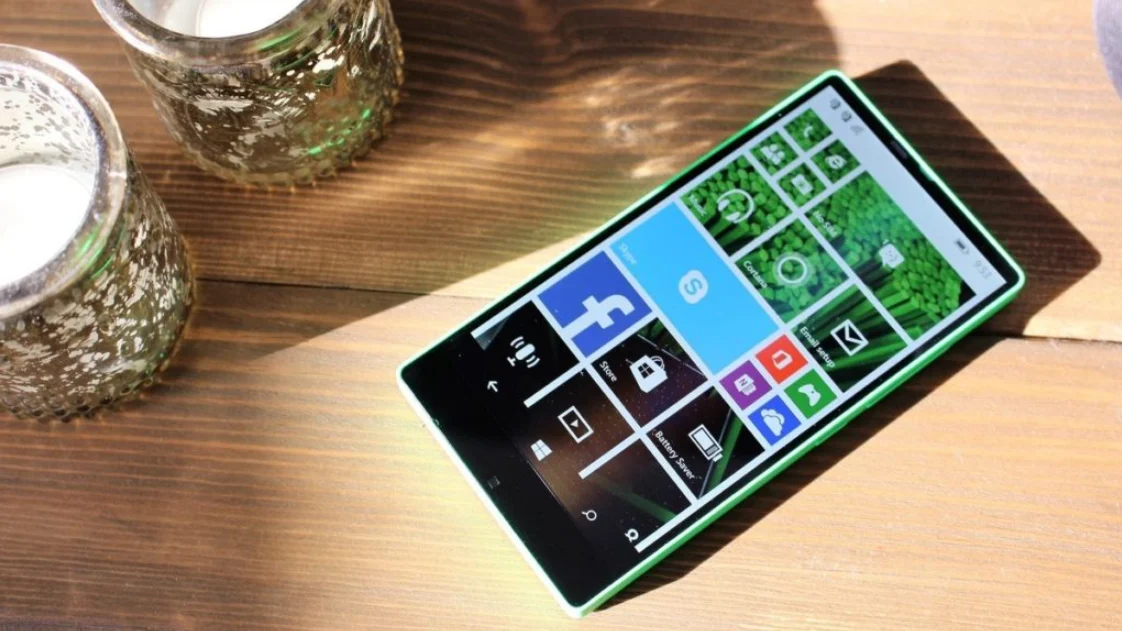
In a bold nod to smartphone history, HMD Global is reportedly testing a tile-based Android interface reminiscent of Windows Phone’s Live Tiles. Coupled with rumors of acquiring the iconic Lumia brand, the company appears ready to double down on Nokia heritage.
HMD Global may be preparing to revive one of the most distinctive eras in mobile software design. Leaked reports suggest the Finnish device maker is experimenting with a tile-style user interface that heavily channels the glanceable, dynamic “Live Tiles” made famous by Nokia’s Lumia lineup and Microsoft’s Windows Phone OS.
According to leaks shared on X by industry insiders like smashx_60, the new interface represents a fresh hybrid of Windows Phone aesthetics and the historic Nokia X Software Platform. If released, the custom launcher would mark a major departure from conventional Android home screens, replacing standard app icon grids with a colorful, Metro-inspired layout that delivers real-time information at a glance.
Tapping into Nostalgia: The Return of Fabula and Lumia Branding
A tile-based launcher aligns seamlessly with HMD’s ongoing strategy of embracing Nokia’s design legacy. The company has already revisited classic aesthetics through hardware like the HMD Skyline, which drew widespread praise for mirroring the iconic Fabula unibody styling of the Nokia N9 and Lumia 920.
However, HMD’s ambitions may extend far beyond hardware homage:
-
Lumia Trademark Acquisition: Reports indicate that HMD is exploring the acquisition of the “Lumia” trademark and related patents directly from Microsoft. Securing these rights could pave the way for an official “Lumia remake”—a modern Android smartphone wrapped in classic branding and retro-inspired software.
-
The Asha Legacy: Similar rumors suggest HMD is also looking to leverage the “Asha” brand name, further signaling a multi-pronged nostalgia strategy.
Why a Windows Phone Retrofit Makes Sense in Today’s Market
Standing out in the modern smartphone landscape is notoriously difficult, with both iOS and Android settling into visual uniformity. Windows Phone’s typography, fluid animations, and intuitive live updates still hold a dedicated cult following among tech enthusiasts.
By launching a highly customizable, tile-based UI built on top of Android, HMD could offer the best of both worlds: a distinct, personality-filled user experience without sacrificing access to Google’s massive app ecosystem.
Combined with HMD’s recent focus on high repairability standards and solid camera performance—a nod to Nokia’s legendary PureView heritage—this retro-modern approach gives the manufacturer a unique selling proposition in a crowded mid-range market.
HMD appears to recognize that mobile legacy brands still carry immense emotional weight. Whether a modern Android-powered “Lumia” reaches commercial reality remains to be seen, but the intent to stand out through nostalgic innovation is clearer than ever.
Related Posts
-
 Poco F8 Pro and Ultra: Launch Date Confirmed, Here Are the Expected Specs
-
 iQOO 16 Launched With Snapdragon 8 Elite Extreme Gen 6 with Q4 gaming chip
-
 Samsung One UI 9.5 Leak Reveals Smoother Animations, Camera Redesign and App Mirroring
-
 Xiaomi Pad 9 Pro Leaked: Snapdragon 8 Gen 5 and 11,000 mAh Battery Revealed