
Huawei Mate 90 Series Launching in September: Everything You Need to Know
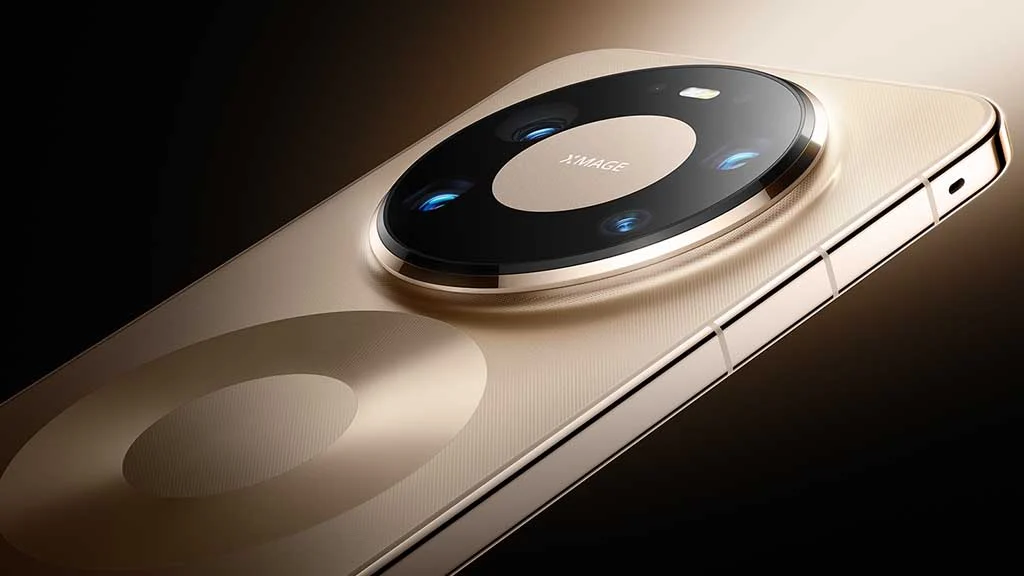
Huawei is aggressively altering its flagship release cycle, with the highly anticipated Huawei Mate 90 series now slated for a September launch. By shifting away from its traditional November release window, the Chinese technology giant is strategically positioning its new premium lineup for a direct, head-to-head confrontation with Apple’s upcoming iPhone 18 series. Beyond the accelerated timeline, the Mate 90 series promises groundbreaking hardware-software integration designed to bypass current manufacturing limitations.
Revolutionary Silicon for Huawei Mate 90: Kirin 2026 and ‘LogicFolding’
The core of the Mate 90 series’ appeal lies in its ambitious new hardware. According to industry insiders and recent supply chain reports, the smartphones will debut the next-generation Kirin 2026 processor. To navigate ongoing restrictions on advanced chip fabrication, Huawei has developed a groundbreaking “LogicFolding” architecture based on its newly presented Tao (τ) Scaling Law.
Instead of relying on conventional single-layer chip layouts or advanced nodes from foundries like TSMC, Huawei’s new chipset utilizes a dual-layer vertical stacking design for core logic circuits. This architectural leap reportedly boosts transistor density by an impressive 53.5%, delivering a theoretical density and energy efficiency comparable to modern 3nm processes or Intel’s 18A node.
HarmonyOS 7 and Deep System Synergy
On the software front, the Mate 90 series will be the first flagship lineup to ship with the stable version of HarmonyOS 7 out of the box. The new operating system features a revamped Ark Engine and deep system-level optimizations that integrate directly with the new Kirin hardware.
This deep synergy between the custom silicon and software is expected to result in significantly faster app launches, advanced on-device AI capabilities, and superior power management. By optimizing both ends of the technological spectrum, Huawei aims to deliver unprecedented system responsiveness and battery longevity.
Overcoming Supply Chain Hurdles
In recent years, Huawei’s flagship launches have occasionally been marred by supply shortages and inconsistent release schedules due to chip production challenges. However, the decision to move the launch up to September suggests that the company’s production capacity has finally stabilized. With stronger Kirin output and tighter supply chain control, Huawei appears ready to meet the anticipated global demand without the delays that affected earlier generations.


