
MediaTek Dimensity 9600 Leak Reveals 2nm Chip and New Dual Prime-Core Design
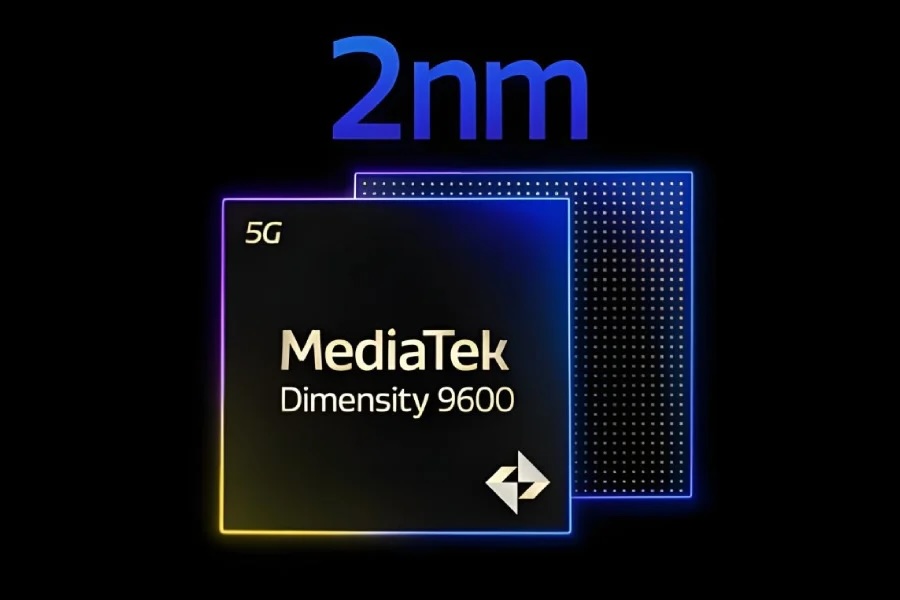
As attention begins to shift toward Qualcomm’s next flagship silicon, fresh details are also emerging about MediaTek’s upcoming high-end mobile platform. A new leak from well-known tipster Digital Chat Station suggests the Dimensity 9600 could represent one of the most significant architectural changes in the recent history of MediaTek’s flagship smartphone chips.
According to the latest information, the Dimensity 9600 is expected to be built on TSMC’s 2nm N2P process, a move that would place it firmly among the most advanced mobile chipsets of its generation. Just as important, however, is the rumored change in CPU design. MediaTek is said to be moving to a 2+3+3 core layout, combining two prime cores with six performance-focused cores.
If accurate, that would mark a notable shift for the Dimensity 9 series. Previous flagship designs in the lineup have relied on a more traditional structure with a single top-tier performance core supported by separate clusters for sustained performance and efficiency. The new dual-prime approach suggests MediaTek is aiming for stronger peak output and better handling of increasingly demanding workloads.
That shift could prove especially relevant as AI processing becomes more central to the smartphone experience. From on-device assistants to advanced imaging and real-time language features, modern mobile chips are being asked to juggle heavier tasks more often, and a more aggressive CPU configuration may help MediaTek keep pace with those demands. Combined with a next-generation manufacturing process, the Dimensity 9600 is widely expected to deliver a meaningful generational uplift over its predecessor.
Graphics may also be receiving a significant update. The chip is rumored to feature a new GPU equipped with neural network shader technology, a change intended to improve coordination between graphics processing and AI acceleration. In practice, tighter cooperation between the GPU and NPU could help reduce power consumption while maintaining smoother and more consistent performance in gaming, imaging, and other compute-heavy tasks.
MediaTek will not be making these moves in isolation. Qualcomm’s upcoming Snapdragon 8 Elite Gen 6 is also rumored to adopt a similar 2+3+3 CPU arrangement, although the two companies are expected to take different approaches at the core level, with Qualcomm relying on its custom Oryon architecture while MediaTek is tipped to use ARM’s next-generation Cortex-C2 family.
That sets the stage for another familiar flagship battle. Both chipmakers appear to be chasing the same goal: higher performance, better efficiency, and stronger AI capabilities. The difference, as always, will come down to execution — and to how effectively each company translates ambitious architecture into real-world gains on commercial devices.


