HyperOS 3.1 Update: Xiaomi Eligible Devices and Complete Rollout Schedule
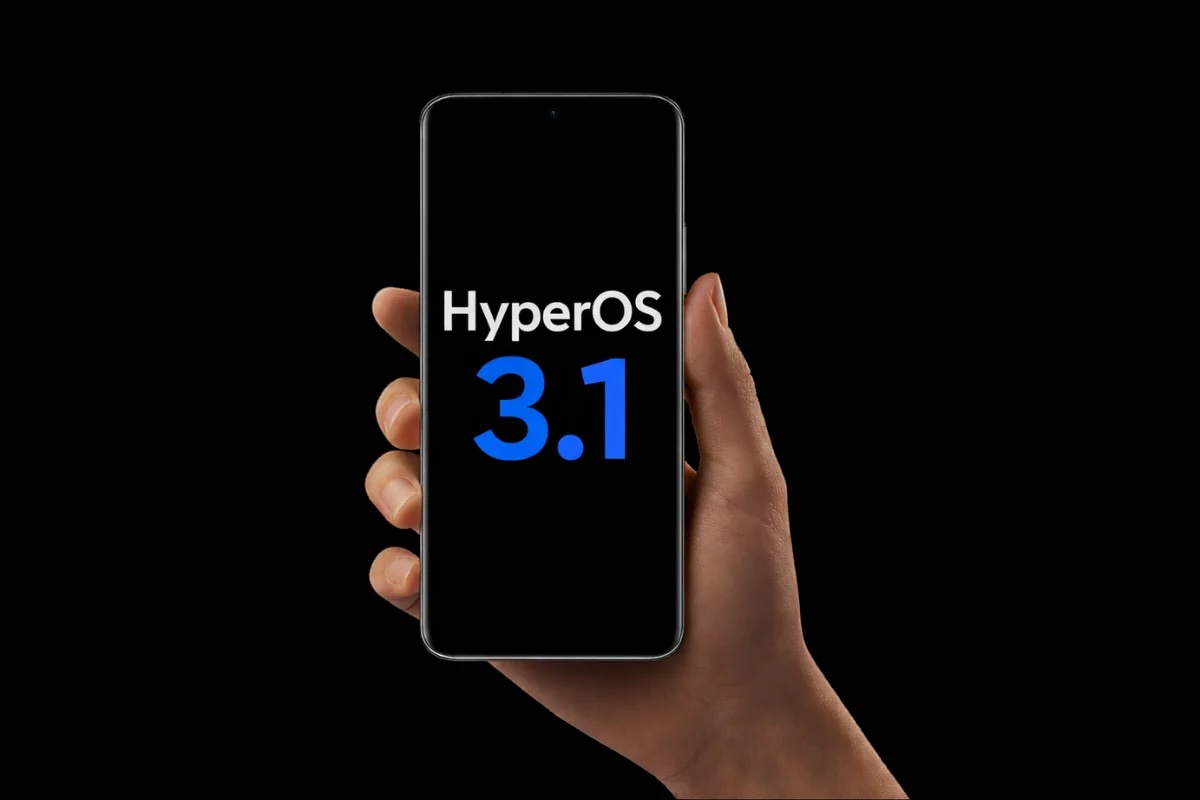
After an extensive testing phase across multiple device categories, Xiaomi has officially announced the rollout schedule for its latest operating system iteration, HyperOS 3.1. The update process begins today, bringing meaningful quality-of-life improvements, faster installation protocols, and refined animations to the Xiaomi ecosystem.
What’s New in HyperOS 3.1?
While not a massive architectural overhaul compared to its predecessor, HyperOS 3.1 introduces several critical enhancements designed to smooth out the daily user experience:
-
Super OTA: Addressing one of Android’s longest-standing pain points, this next-generation update mechanism ensures system updates are applied faster, smoother, and with minimal device reboot time.
-
Refined UI & Animations: Core user interface elements have been polished. Users will notice smoother transitions, expanded lock screen customizations, and refreshed system applications like Weather and Gallery.
-
Apple AirPods Integration: In a surprising move for cross-platform compatibility, the OS now features native support for Apple AirPods, enabling quick pop-up pairing and access to spatial audio on compatible models.
-
Under-the-Hood Optimization: The update delivers better memory management, quicker app launch times, and reduced frame stuttering during intensive tasks.
HyperOS 3.1: The Official Rollout Timeline
Note: The current schedule applies specifically to devices sold in the Chinese market. A global rollout schedule is expected by the end of March, as relevant builds have already been spotted on global servers.
HyperOS 3.1 Available Starting Today
The first wave prioritizes Xiaomi’s most recent flagship smartphones and premium tablets:
-
Xiaomi 17 Series (Ultra Leica Edition, Ultra, Pro Max, Pro, Standard)
-
Xiaomi Pad 8 and Pad 8 Pro
-
Redmi K90 and K90 Pro Max
Expected by March 31
The second wave encompasses the previous generation’s high-end models and the broader tablet lineup:
-
Xiaomi 15 Series (Ultra, S Pro, Pro, Standard)
-
Xiaomi MIX Flip 2
-
Xiaomi Pad 7 Series (Ultra, S Pro 12.5, Pro, Standard)
-
Redmi K80 Series (Pro, Ultimate Edition, Standard)
-
Redmi Turbo 5 and Turbo 5 Max
-
Redmi K Pad
Expected by April 15
Mid-April will see the update reach the highly popular 14-series and the K70 lineup:
-
Xiaomi 14 Series (Ultra, Ultra Titanium, Pro, Pro Titanium, Standard)
-
Xiaomi MIX Fold 4 and MIX Flip
-
Xiaomi Mi 5 Pro
-
Redmi K70 Series (Pro, Ultimate Edition, Standard, E)
-
Redmi Turbo 4 and Turbo 4 Pro
-
Redmi Note 15 Series (Pro+, Pro, Standard)
-
Redmi Pad 2 Pro
Expected by April 23
The final announced phase targets older flagships and reliable mid-range performers:
-
Xiaomi 13 Series (Ultra, Pro, Standard)
-
Xiaomi MIX Fold 3
-
Xiaomi Mi 4 Pro
-
Xiaomi Pad 6S Pro 12.4
-
Redmi K60 Series (Pro, Ultimate Edition)
-
Redmi Turbo 3
-
Redmi Note 14 and Note 13 Series (Various models)
-
Redmi 15R 5G, 14R 5G, and 14C
-
Redmi Pad 2, Pad Pro, and Pad Pro 5G
Related Posts
-
 Vivo V80 Lite 5G Launched: Massive 7,050mAh Battery and Rugged Build
-
 Windows 11 Finally Gets an Apple-Style ‘Handoff’ Feature for Android
-
 Honor Magic 9 Series Leaks Reveal Massive Batteries, 200MP ARRI Cameras, and a ‘Super Power’ Edition
-
 Vivo V80 Launched in India: 7,200mAh Battery and 50MP Zeiss Cameras