
Google Pixel 10a Launches: Recycled Materials, Faster 30W Charging, and Android 16
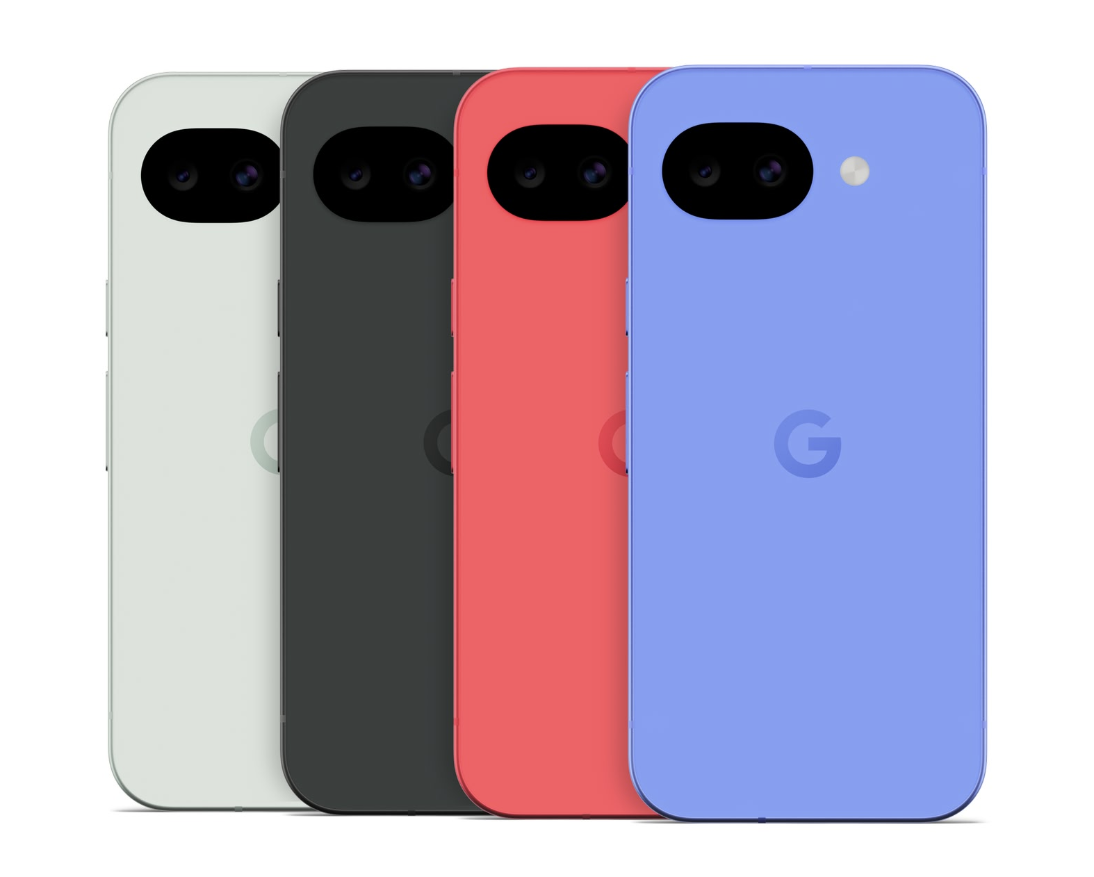
Google has officially taken the wraps off the Pixel 10a, a device that arguably represents the company’s most aggressive push toward sustainability to date. However, while the chassis breaks new ground in eco-friendliness, the engine driving the phone remains largely unchanged from its predecessor, the Pixel 9a.
A Masterclass in Recycling
The headline feature of the Pixel 10a is its construction. It stands as the first device in the A-series to incorporate recycled cobalt, copper, gold, and tungsten, accounting for at least 36% of the phone’s weight. The aluminum frame is crafted from 100% recycled material, the back panel utilizes 81% recycled plastic, and the packaging is entirely plastic-free.
Google has also reworked the internal architecture to improve repairability, addressing a long-standing request from the right-to-repair community. Externally, the device retains the design language of the 9a, featuring a nearly flush camera island—a rarity in a market dominated by protruding camera bumps.
Hardware: The Tensor G4 Returns
Under the hood, the Pixel 10a is an exercise in familiarity. It is powered by the same 4nm Samsung-foundry Tensor G4 chipset found in the Pixel 9 series. Memory configurations remain static with 8GB of RAM and storage options of 128GB or 256GB. Consequently, users should expect performance parity with last year’s model rather than a generational leap.
Where the device aims to differentiate itself is software longevity and AI. Launching with Android 16 out of the box, the 10a is guaranteed seven years of software updates. Google is leveraging its Gemini AI suite—including “Gemini Live” for conversational voice control—to give the device a competitive edge over rival mid-rangers.
Display and Durability Upgrades
The device sports a 6.3-inch Actua display, maintaining the size of its predecessor but boosting peak brightness to 3,000 nits (up from 2,700). Durability sees a welcome bump with the inclusion of Gorilla Glass 7i, which replaces the older Gorilla Glass 3, offering improved drop protection (up to 1 meter) and better scratch resistance. The phone retains its IP68 rating for dust and water resistance.
Camera and Battery: Subtle Refinements
The camera hardware remains unchanged, featuring a 48MP main sensor and a 13MP ultra-wide lens. However, Google is leaning on new software features to bridge the gap. These include Camera Coach, which uses Gemini to offer real-time photography tips, as well as “Auto Best Take” for groups and “Add Me,” a feature that composites the photographer into group shots.
Powering the device is a 5,100mAh battery, which Google claims offers up to 30 hours of regular use. While the capacity is identical to the 9a, charging speeds have finally been improved. The Pixel 10a supports 30W wired charging (up from 23W) and 10W wireless charging (up from 7.5W).
Notably, the device lacks “Pixelsnap” magnetic compatibility found in the premium Pixel 10 series. A color-matched protective case, made from 36% recycled plastic, will be available, though neither the phone nor the case includes built-in magnets.
Pricing and Availability
The Pixel 10a is available in four colors: Obsidian, Berry, Lavender, and a new light green hue dubbed “Fog,” which replaces Porcelain.
Pre-orders have commenced in India today, with the device hitting shelves on March 6. The pricing remains consistent with the previous generation, starting at ₹50,000 for the 8GB/128GB model. Launch incentives include a ₹3,000 exchange bonus, cashback offers on select bank cards, and no-cost EMI options.


