
The Specs Race Is Over: Carl Pei Explains Why Your Next Phone Will Cost More
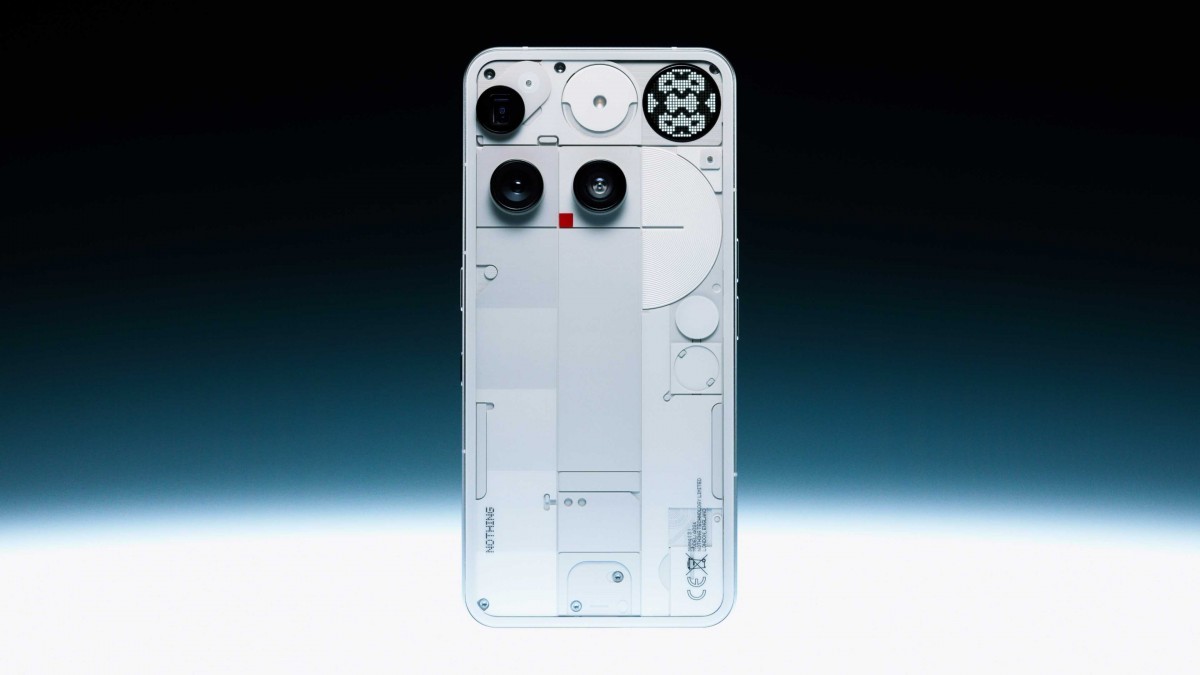
Following early alarms sounded by industry titans like Samsung and Xiaomi regarding rising production costs, a confirmation has now arrived from the challenger camp. Carl Pei, co-founder of Nothing, has publicly validated what many analysts feared: 2026 brings an inevitable rise in smartphone prices driven by a crisis in the memory chip (RAM) market.
In a candid post on LinkedIn and X titled “Why your next smartphone will cost more,” Pei offered a rare, transparent look into the current state of the supply chain, signaling the end of a long-standing industrial cycle.
Breaking a 15-Year Economic Model
“2026 will be an unprecedented year for consumer electronics, and the smartphone industry in particular,” Pei wrote. His analysis points to a tectonic shift in the fundamental assumption that has underpinned the industry for the last decade and a half: that components inevitably get cheaper over time.
“For fifteen years, the smartphone industry relied on a single, reliable assumption… While short-term volatility existed, the long-term downward trend in memory and display costs allowed for annual spec bumps without price hikes. In 2026, that model has finally broken, driven by a sharp and unprecedented surge in memory costs,” the Nothing executive explained.
A New Strategy: Experience Over Raw Power
Pei’s statement serves not only as a warning about pricing but also as a declaration of a paradigm shift for his company and the wider market. According to him, 2026 marks the official end of the “specs race.”
“As the industry resets, experience becomes the only real differentiator. That is exactly what Nothing was built for. The era of cheap silicon is over. The era of intentional design is just beginning,” Pei emphasized.
This suggests that upcoming devices from Nothing may arrive with minimal hardware upgrades—or potentially stagnation in certain areas—while the focus shifts entirely to software optimization and unique visual identity. For a company that has prioritized design over chasing numbers since its inception, this isn’t a drastic pivot, but rather a necessary adaptation to a new reality.
The Challenge for Smaller Players
However, analysts warn that this disruption could hit Nothing harder than its larger rivals. Giants like Apple, Samsung, and Xiaomi rely on economies of scale. Thanks to orders measured in tens of millions of units, these conglomerates can negotiate more favorable component prices and more easily amortize rising costs.
Nothing, conversely, lacks such purchasing power. This means the company will need to rely more than ever on its distinct Android skin and design language to justify its pricing, especially given that competitors often offer feature-rich software ecosystems developed over decades.
The conclusion is clear: If you were planning to buy a new phone this year expecting a drastic leap in performance for the same money, prepare for disappointment. The market is shifting, and Carl Pei has just voiced what every manufacturer is thinking—the days of cheap gigabytes are over.


