
Ditch Your Power Bank: These Phones Come With Huge Batteries
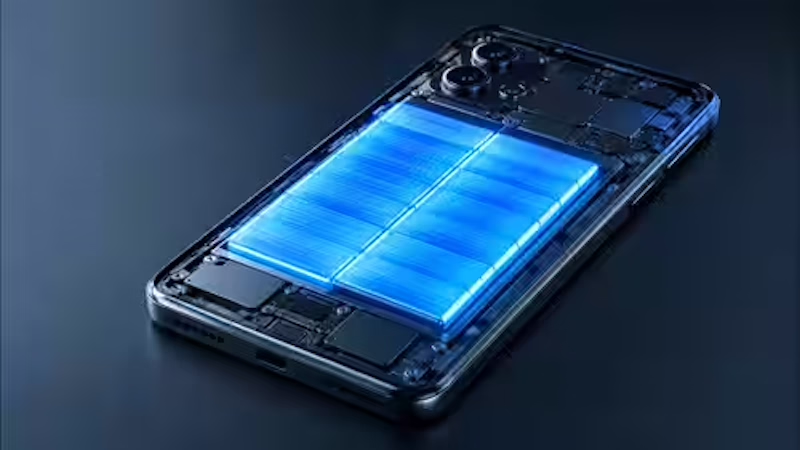
The smartphone battery wars are entering a dramatic new phase. After years of incremental improvements, leading Chinese manufacturers are preparing to shatter the 9,000mAh threshold, with at least one device pushing toward a staggering 12,000mAh capacity.
Honor is set to fire the first salvo on November 23, while industry heavyweights OnePlus, Oppo, and Redmi are rapidly readying their own endurance champions. Based on a mix of confirmed announcements, certification records, and supply chain leaks, here is the state of the new ultra-battery smartphone market.
Honor 700 Series: The 9,000mAh Vanguard
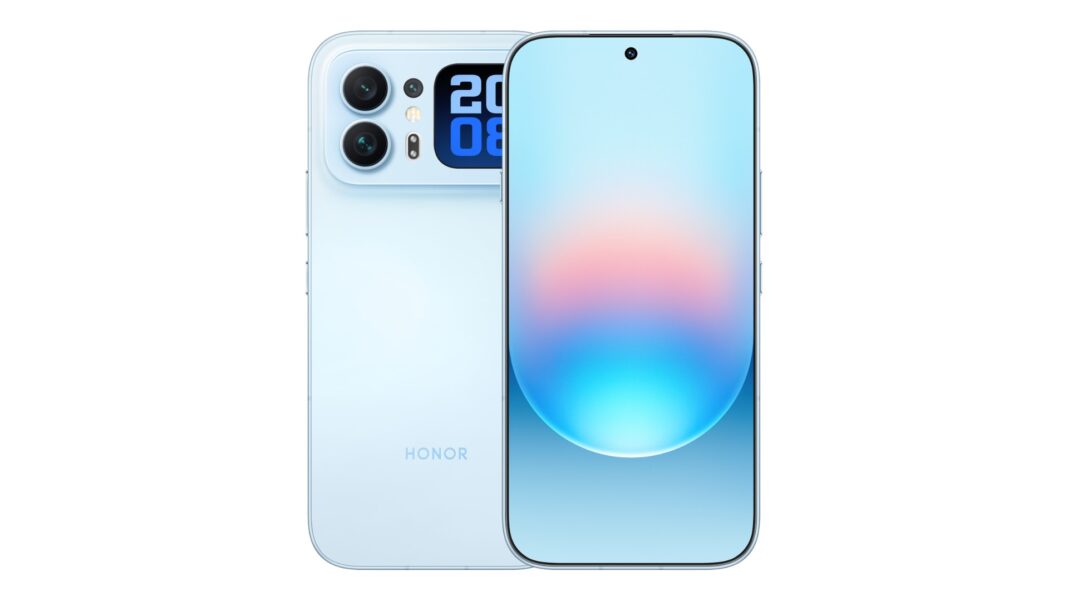
Honor will officially unveil the Honor 700, 700 Pro, and 700S at a launch event in Wuhan.
The company has already confirmed that all three devices will pack a massive 9,000mAh “Qinghai Lake” battery.
Despite the heavy-duty power cells, Honor has seemingly engineered a remarkably sleek footprint. The devices will reportedly share a 7.96mm profile, weighing in at a highly manageable 208g to 213g. Across the board, buyers can expect a 6.57-inch display, a 50MP front-facing camera, 80W wired fast charging, and the new MagicOS 11 (based on Android 17).
Under the hood, the lineup relies on a tiered Qualcomm Snapdragon architecture:
-
Honor 700 Pro: Powered by the flagship Snapdragon 8 Gen 5, paired with up to 16GB of RAM and 512GB of storage.
-
Honor 700 (Standard): Equipped with the Snapdragon 8s Gen 4.
-
Honor 700S: Utilizing the Snapdragon 7 Gen 4 with up to 12GB of RAM.
On the optics front, all three models boast a 200MP primary sensor. The standard and Pro variants will benefit from a 50MP periscope telephoto lens with 3.5x optical zoom, while the more budget-friendly 700S scales back to a 12MP secondary shooter. Interestingly, Honor has teased a unique hardware quirk for the series: a miniature AI-powered display integrated directly into the rear camera module.
OnePlus Turbo 7 Pro: High Refresh Rates and Fast Charging
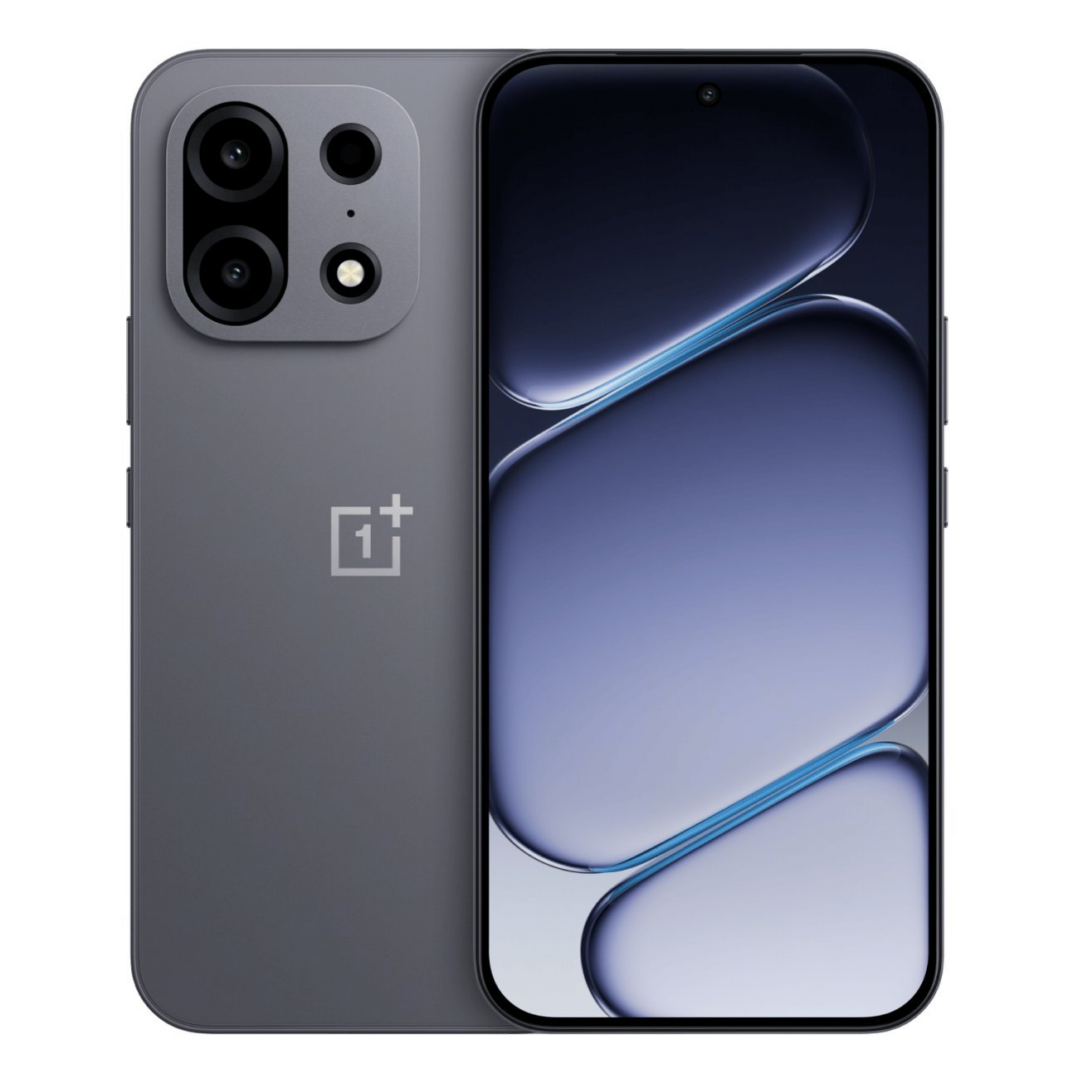
Not to be outdone, OnePlus is prepping the Turbo 7 Pro. Recently spotted in China’s 3C certification database under the model number PYP110, the listing confirms blazing-fast 100W wired charging.
While the official battery size remains absent from the filing, prominent supply chain tipster Digital Chat Station claims the device will feature a cell of at least 9,000mAh. The Turbo 7 Pro is shaping up to be a performance powerhouse, allegedly featuring a 6.78-inch flat 1.5K display pushing an extreme 185Hz refresh rate. It is expected to launch with a 200MP main camera and a next-generation 3nm Qualcomm processor (model SM8845 Pro) before the end of the year.
Oppo’s 12,000mAh Behemoth
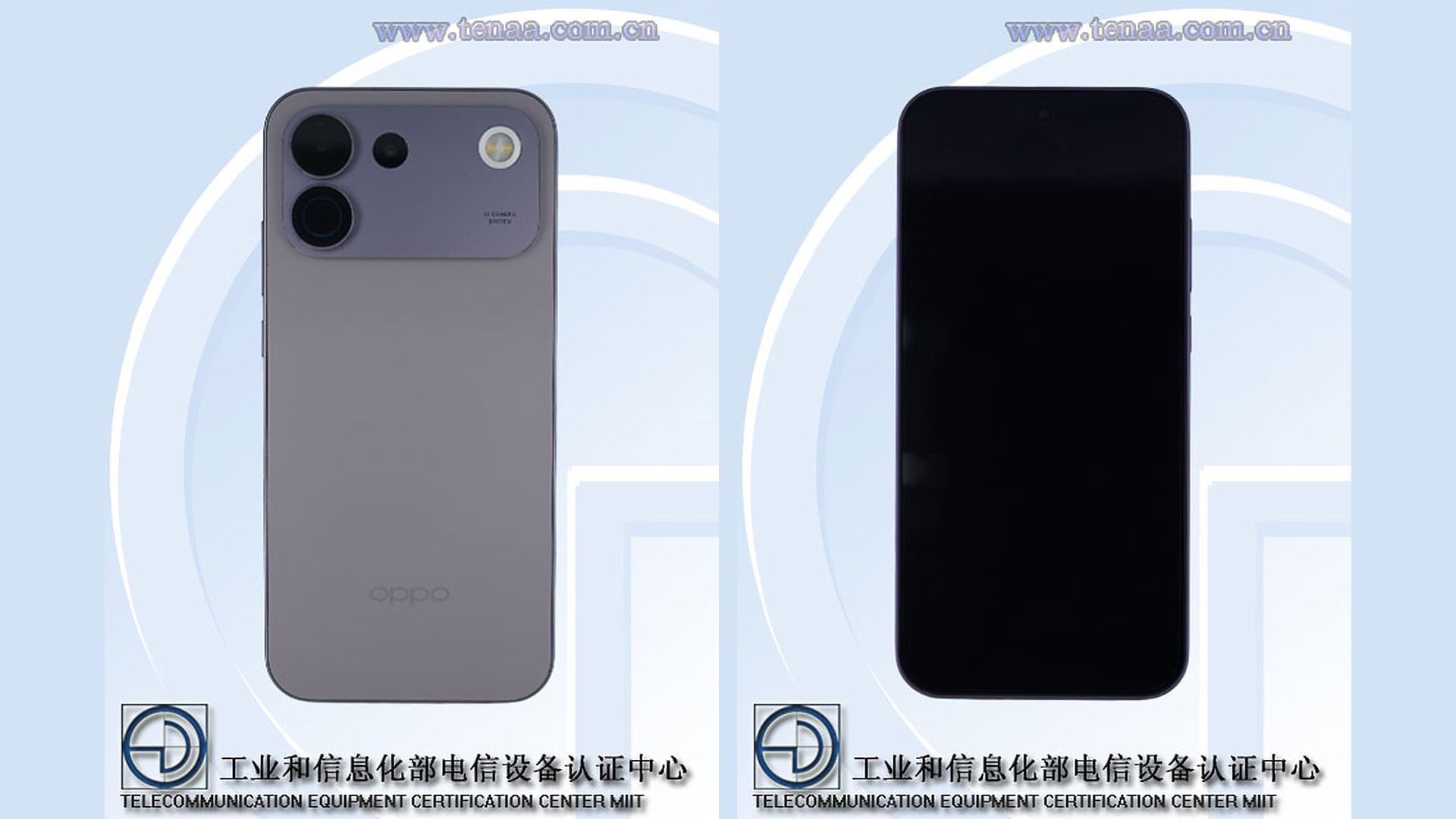
While 9,000mAh is impressive, Oppo appears to be developing a device that dwarfs the competition. A mysterious phone bearing the model number PNC110 recently cleared China’s MIIT certification database. According to industry reports, the device carries a battery capacity between 11,460mAh and 11,640mAh, which will likely be marketed as a flat 12,000mAh.
Official certification images reveal a purple chassis with a pill-shaped dual-camera module and a flat, punch-hole display. Aside from confirming 5G and dual-SIM support, Oppo has kept the device’s commercial name closely guarded.
Redmi Turbo 6 Max: The 7-Inch Titan
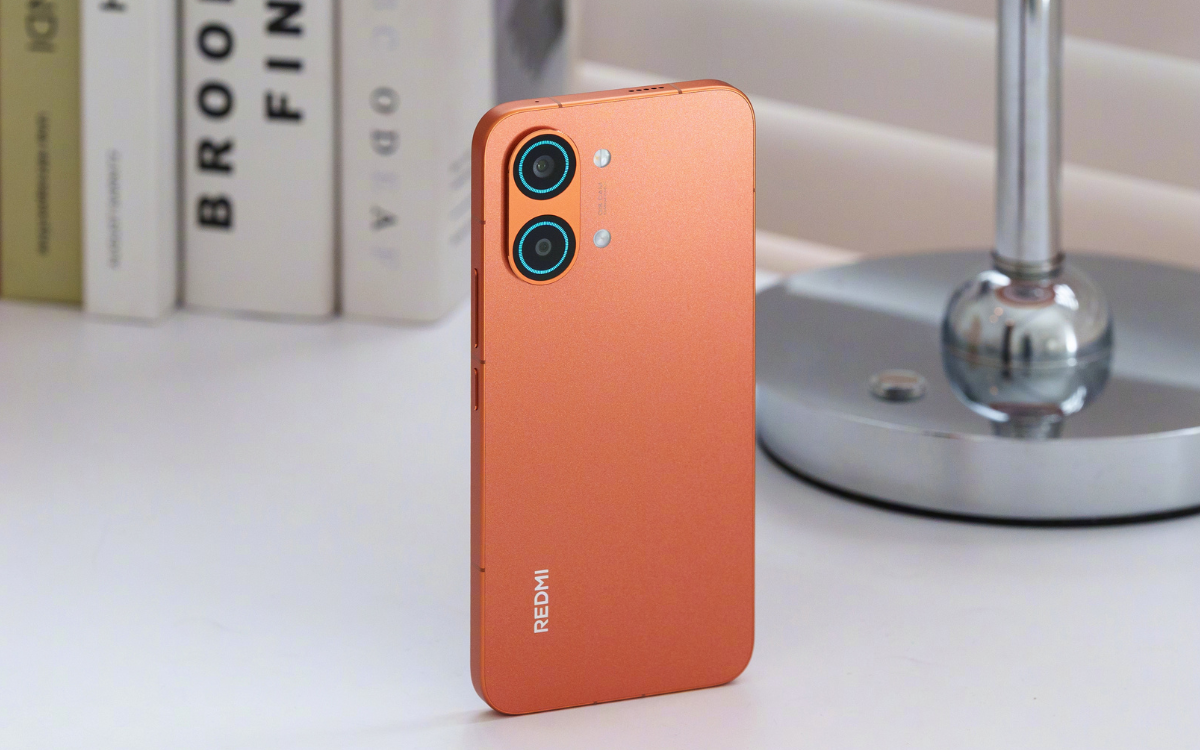
Looking further ahead to January 2027, Xiaomi’s sub-brand Redmi is developing the Turbo 6 Max. Leaks point to a device that scales up both battery and display, featuring a massive 10,000mAh+ cell and a sprawling 7-inch 2K OLED panel—a noticeable jump from the 6.83-inch screen on its predecessor.
The Turbo 6 Max is tipped to feature premium IP68 and IP69 durability ratings and will be driven by a MediaTek Dimensity 9-series chipset, potentially the Dimensity 9500s.
The International Market Caveat
For now, this battery revolution is strictly bound for the Chinese market. While international releases are highly probable—Redmi’s device, for instance, is heavily rumored to rebrand globally as the Poco X9 Pro Max—global consumers should temper their expectations. Due to varying international safety and transit regulations, smartphone battery capacities often shrink when they cross borders. Until these brands confirm their global roadmaps, these record-breaking spec sheets remain China-exclusive.


