
Signal Moves to Block AI Assistants From Reading Private Chats on Android and iOS 27
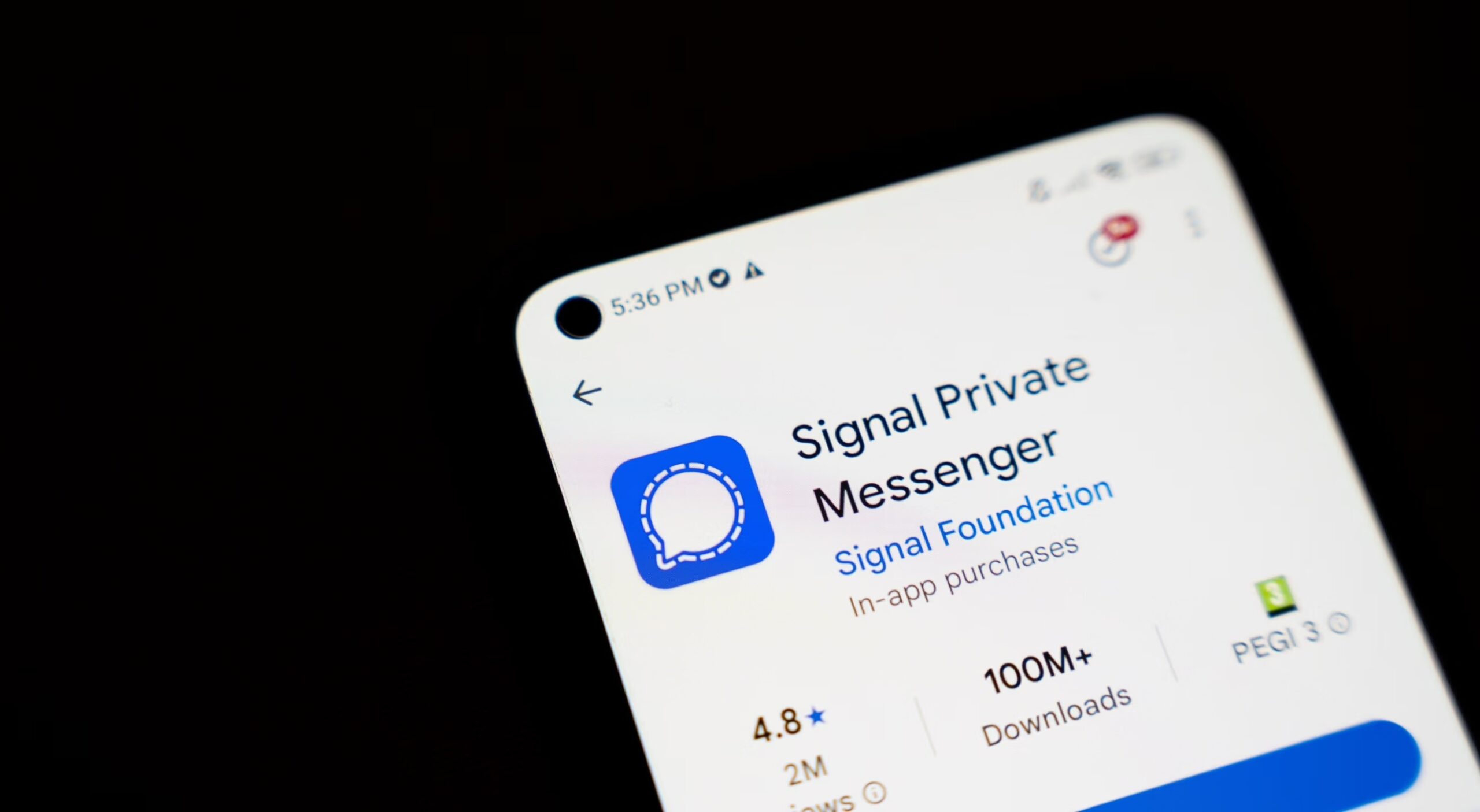
Signal is introducing new protections designed to stop AI assistants from capturing private conversations on Android and iOS 27. The encrypted messaging service says operating-system-level AI features are creating a privacy problem that message encryption alone cannot solve.
The changes come as assistants gain broader access to apps and on-screen information. Google’s Gemini can already complete tasks such as ordering food and booking rides through supported Android apps, while its newly introduced Mac computer-use capabilities allow it to operate desktop applications and websites. That expanding functionality raises a difficult question for privacy-focused services: where should an assistant’s access end?
For Signal, the answer is clear. Private conversations should not become available to an AI system simply because they appear on a screen.
New Protections Target AI Screen Capture
On supported Android devices, Signal will automatically enable its Screen security setting when it detects an AI assistant attempting to access the app’s screen.
On iOS 27, the service is introducing a Block Siri AI setting intended to prevent Apple’s assistant from capturing conversation content.
Both measures involve blocking screenshots inside Signal. Users can disable the protections in the app’s settings if they want to restore screenshot functionality, but Signal warns that doing so could also expose their conversations—and those of their contacts—to AI systems.
That trade-off highlights the limitations developers currently face. Rather than offering a separate way to prevent AI access, the available tools force Signal to restrict a familiar feature that users may otherwise want to keep.
Encryption Cannot Protect Messages After Screen Capture
Signal’s concern is not that AI assistants have broken its end-to-end encryption. The problem arises after an encrypted message reaches its intended recipient and becomes visible inside the app.
An assistant that captures the screen can potentially obtain the readable contents of a conversation without interfering with the encryption protecting its delivery. Once captured, that information may become available to whatever local database or remote service the assistant uses.
Signal says this places the data beyond its control and undermines its ability to guarantee privacy for everyone participating in the conversation. The risk extends beyond the person using the assistant: messages written by their contacts may also be captured.
The distinction matters as AI systems become more deeply integrated into operating systems. An app can protect how messages are transmitted and handled internally, yet still struggle to prevent another system-level service from reading what it displays.
Signal Previously Took Similar Action Against Microsoft Recall
The new mobile protections follow Signal’s response to Microsoft Recall on Windows 11.
Last year, Signal enabled screenshot blocking by default to prevent Recall from capturing conversations and adding their contents to its searchable database. That included concern over disappearing messages, which could otherwise remain accessible through captured screenshots after they had vanished from the conversation.
The underlying issue is similar on mobile: a privacy feature inside a messaging app becomes less effective if another part of the operating system independently records the same information.
The Current Solution Has Important Gaps
Signal acknowledges that screenshot blocking is an incomplete defence.
The service cannot reliably extend these protections to every Android device. It also says it currently lacks the tools needed to implement equivalent screenshot protection on macOS.
Even where screen capture can be blocked, AI agents may potentially access sensitive information through other routes, including content already stored in local files. Preventing screenshots therefore addresses only one possible method of obtaining app data.
These limitations are central to Signal’s criticism. The company argues that protecting an app from AI access should not depend on developers investigating poorly documented operating-system behaviour or sacrificing existing functionality.
Signal Calls for Better Controls From Google, Apple and Microsoft
Signal is urging the major operating-system providers to give developers a straightforward, well-documented way to exclude sensitive apps from AI data access and processing.
It says those controls need to cover more than screen reading. They should also address access through files, notifications, APIs and other operating-system frameworks, without compromising an app’s core functions.
The service is also asking for clearer documentation explaining how AI agents obtain and process application data. Signal says its developers have spent considerable time investigating Android and iOS behaviour to understand what happens when these systems access private information.
The broader issue reaches well beyond encrypted messaging. Banking, healthcare and workplace applications may face similar questions as AI assistants gain access to more of the information displayed and stored on personal devices.
Signal’s new protections establish a boundary where it can enforce one. Its larger argument is that developers need reliable tools to define that boundary themselves—without forcing users to choose between everyday app features and keeping their private data outside an AI assistant’s reach.


