
Samsung reportedly cuts Galaxy A production as memory costs climb
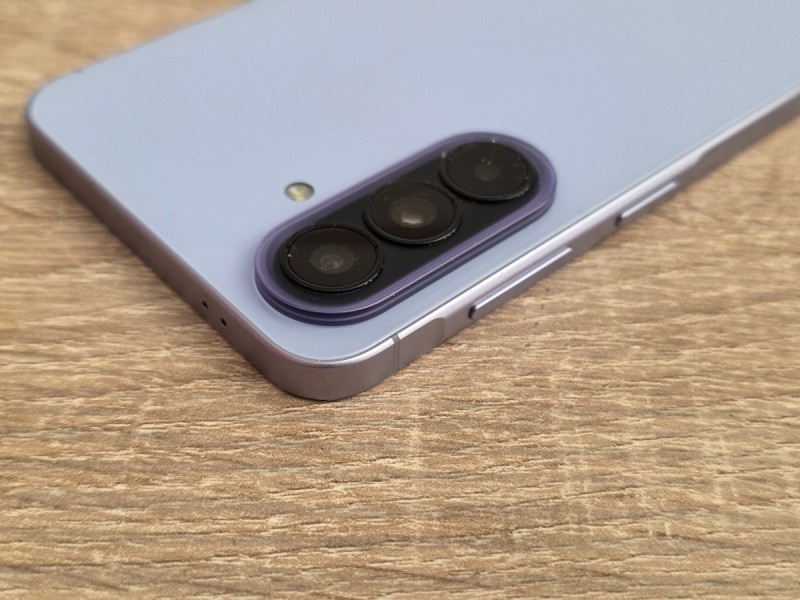
Samsung may reduce production of its mid-range Galaxy A smartphones by as much as 20% in the fourth quarter of 2026, according to a new report from South Korea. The reported cut comes as rising memory prices continue to push up the cost of building phones across the industry.
The move would mark a notable shift for Samsung, whose Galaxy A lineup has long been central to its smartphone shipment volumes. Rather than absorbing higher component costs across its budget and mid-range portfolio, the company is reportedly redirecting scarce memory supplies toward higher-margin flagship devices.
Memory costs are squeezing margins
The report claims Samsung is scaling back Galaxy A series production because component costs have risen sharply. Memory chips, including RAM and storage, have become substantially more expensive over the past year, increasing the overall cost of manufacturing smartphones.
Samsung recently raised prices across its phone lineup, from entry-level to premium models. However, the reported production cut suggests those increases have not been enough to offset the higher cost of memory components in mid-range devices.
By shifting memory allocation toward the Galaxy S and Galaxy Z series, Samsung could protect profitability where customers are more willing to pay premium prices. Flagship phones also tend to offer better margins, giving the company a stronger opportunity to limit losses caused by rising component costs.
Galaxy A’s importance makes the cut risky
The Galaxy A series has historically accounted for more than 70% of Samsung’s total smartphone shipments. That makes it the company’s volume leader and a key part of its position in the global smartphone market.
Reducing production of these devices could therefore affect Samsung’s overall shipment numbers. If the cut is significant, Apple could have an opportunity to overtake Samsung as the world’s largest smartphone shipper.
The report does not indicate that Samsung is abandoning the Galaxy A series. Instead, it suggests a tactical reduction in output as the company balances supply constraints, manufacturing costs, and profitability.
Consumers may face higher prices or weaker specs
The pressure on manufacturers may not end with Samsung. Analysts expect smartphone prices to rise further next year as memory and other component costs remain elevated.
There is also a possibility that some upcoming phones could launch with downgraded specifications to control costs. Cheaper cameras, lower-quality displays, or reduced memory configurations could become more common in certain price tiers.
For buyers, that could mean fewer upgrades for the same money. For manufacturers, it creates a difficult balance between maintaining competitive specifications and protecting margins in an increasingly expensive component market.


