
Xiaomi HyperOS 4 Stable Update Rolls Out: The List of Eligible Devices and Features
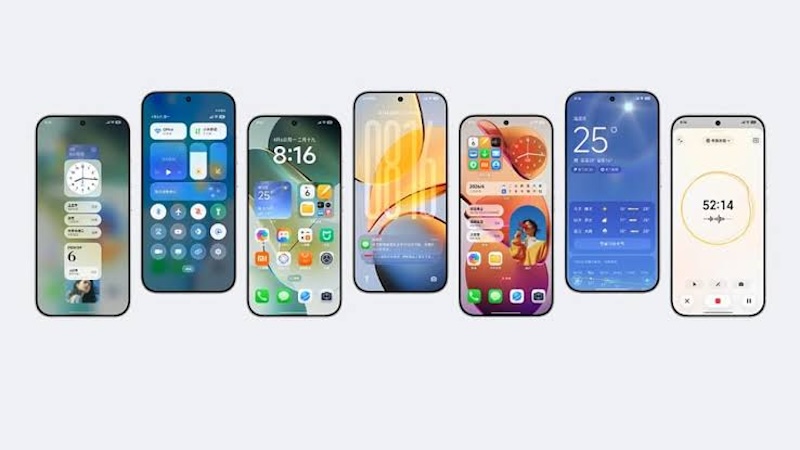
Following months of rigorous beta testing, Xiaomi has officially commenced the stable rollout of its new HyperOS 4 operating system in China. A growing number of users with eligible smartphones and tablets are already reporting the arrival of official over-the-air (OTA) update notifications, marking a major milestone for the company’s software ecosystem.
Among the first wave of devices receiving the major software upgrade is the flagship Xiaomi 17 series (with a few notable exceptions), alongside high-end models from the Redmi K-series and the latest Xiaomi Pad tablets.
Initial HyperOS 4 Rollout Schedule
| Device Category | Eligible Models | Currently Excluded / Pending |
| Xiaomi 17 Series | Base Xiaomi 17, Xiaomi 17 Pro | Xiaomi 17 Max, 17T, 17T Pro |
| Redmi K100 Series | Redmi K100 Pro, Redmi K100 Max | None specified |
| Redmi K90 Series | Redmi K90, Redmi K90 Pro Max | None specified |
| Xiaomi Tablets | Xiaomi Pad 8, Xiaomi Pad 8 Pro | None specified |
Under the Hood: Next-Generation Resource Management
On the technical front, Xiaomi has integrated two critical new technologies into its proprietary HyperCore kernel: advanced load calculation and predictive memory preloading. In addition to these optimizations, the development team has engineered a completely new, isolated runtime environment for applications.
This revamped architecture allows the operating system to schedule and manage hardware resources far more efficiently from the foundational level up. Building on the initial HyperCore architecture introduced in HyperOS 2, this fourth iteration represents its most significant technical evolution to date.
Built for Speed and Minimalist Aesthetics
Xiaomi’s domestic beta program opened on August 14, followed by a global testing phase in September. Enthusiasts who participated in the early recruitment have been sharing their impressions across tech forums, and the overarching consensus highlights one key improvement: blistering speed. Beta testers report exceptionally fluid page transitions, noting that the occasional micro-stutters that plagued previous iterations are now virtually nonexistent.
The user interface has also undergone a deliberate, minimalist redesign. Xiaomi has stripped away superfluous decorative animations and cluttered visual elements, resulting in a distinctly cleaner aesthetic. According to user feedback, this simplified UI approach significantly reduces visual fatigue and eye strain during extended smartphone use.
When Will the HyperOS 4 Global Version Arrive?
Currently, the stable release of HyperOS 4 is exclusively limited to the Chinese market. While Xiaomi has yet to publish an official timeline for the global stable rollout, the company is actively expanding its global beta program. The second batch of global beta testing has already opened for the Xiaomi 15, Xiaomi 15 Ultra, and the Xiaomi 17T and 17T Pro. We will continue to monitor the rollout and provide updates as soon as the global release calendar is confirmed.


