
Best 2026 Mid-Range Phones for Battery Life, Cameras, Gaming and Software Updates
The mid-range smartphone market has traditionally been where manufacturers bring premium features to more accessible price points. Fast displays, capable cameras, large batteries and polished designs have steadily moved down from flagship phones, giving buyers more choice without forcing them into four-figure spending.
In 2026, however, the definition of “mid-range” has become noticeably more expensive. A global shortage of memory chips, fuelled in part by AI data centres consuming massive supplies of DRAM and NAND storage, has pushed component costs higher across the industry. Brands have responded by raising prices, particularly on devices that once comfortably sold below $500.
As a result, several of this year’s strongest mid-range phones sit closer to flagship territory than previous generations. The good news is that they still offer solid value: bright OLED displays, dependable cameras, long battery life and increasingly capable processors.
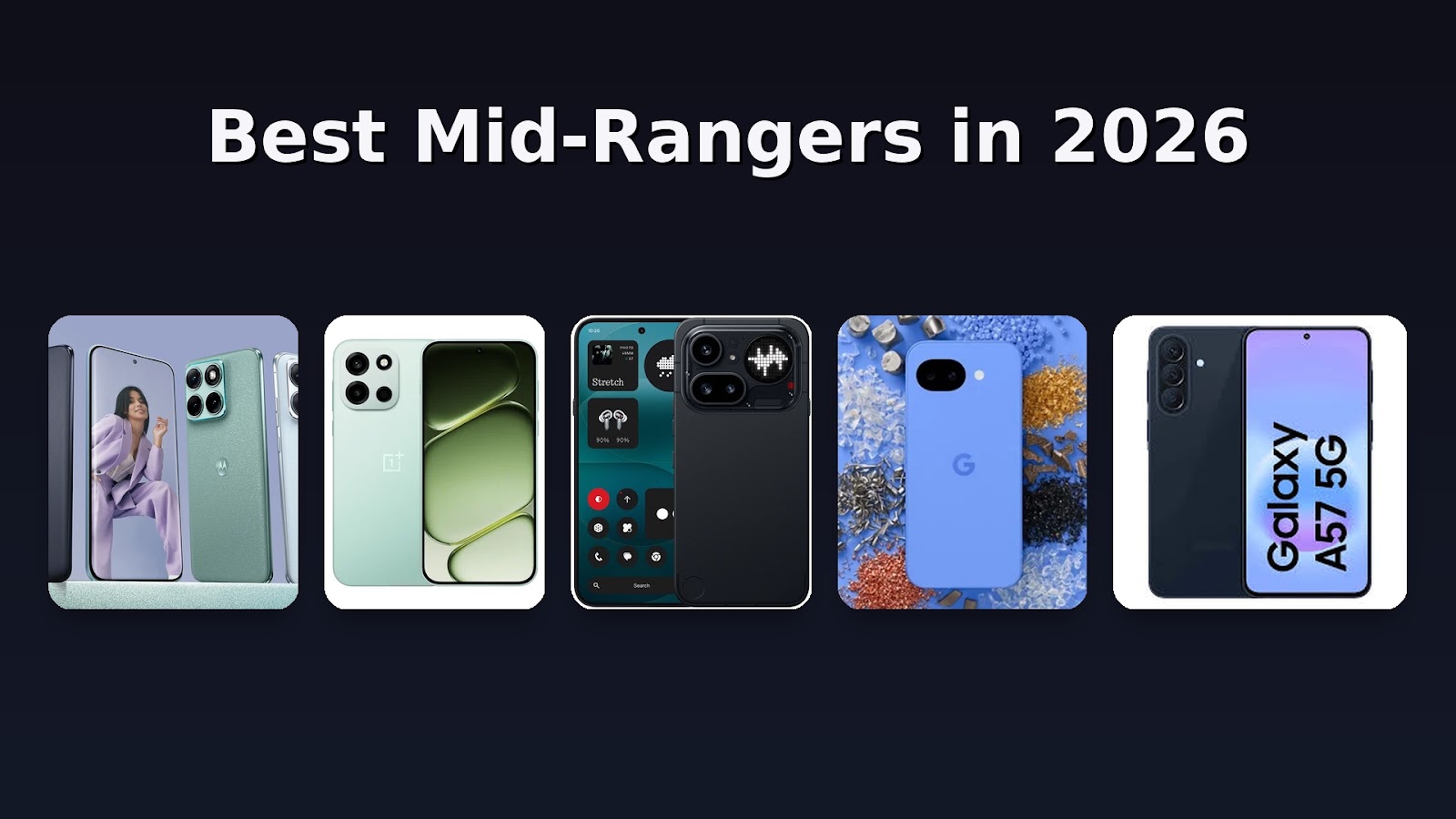
Here are five of the best mid-range phones available in 2026.
Nothing Phone (4a) Pro: The most distinctive option
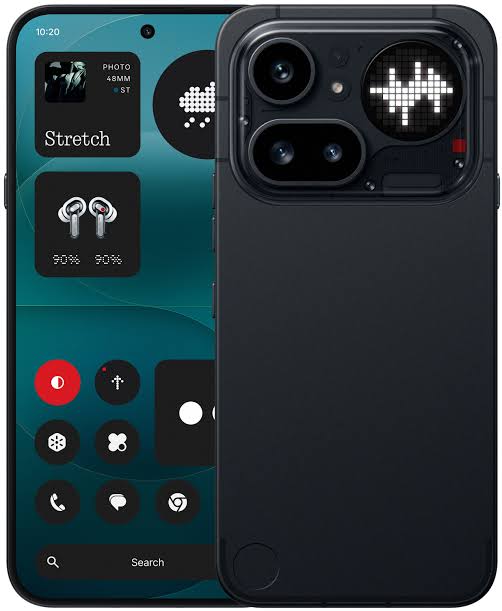
Nothing has built its brand on making phones that do not look like every other slab of glass and metal, and the Phone (4a) Pro continues that approach. Instead of relying on the plastic construction commonly found in its price range, the phone uses an aluminium unibody frame.
It also includes a large 6.83-inch AMOLED display with a 144Hz refresh rate, while the rear panel features a reduced version of the Glyph Matrix found on the more expensive Nothing Phone (3). The system uses 137 individually addressable LEDs, giving the device a visual identity that remains unusual in a market full of near-identical designs.
The phone is powered by Qualcomm’s Snapdragon 7 Gen 4 chipset, paired with 8GB of RAM and 128GB of storage. It is priced at $499.
The Nothing Phone (4a) Pro does not offer the most consistent camera system in the category, and its battery life is not its strongest advantage. But buyers who want a phone with personality, a premium-feeling build and a genuinely different visual approach will find it easy to like.
Google Pixel 10a: The sensible long-term choice

Google has not radically changed the Pixel 10a formula, and that is largely the point. Starting at $499, the device offers a 6.3-inch OLED display with a 120Hz refresh rate, Google’s Tensor G4 processor, 8GB of RAM and a 5,100mAh battery.
The camera hardware is carried over from the previous generation, with a 48MP main camera and a 13MP ultra-wide unit. That may not sound exciting on paper, but Pixel phones are typically defined more by image processing than by headline sensor specifications.
The Pixel 10a also comes with a seven-year promise of operating system and security updates. That makes it one of the strongest choices for buyers who want to purchase a phone and keep it for a long time without worrying about software support.
Google has also highlighted the use of recycled cobalt, copper, gold and tungsten, which together account for more than one-third of the phone’s weight.
The Pixel 10a may not win a specification war or surprise anyone with a radical redesign. But it is a practical, dependable option for users who value cameras, clean software and long-term ownership over flashy hardware.
OnePlus Nord 6: The performance and battery champion
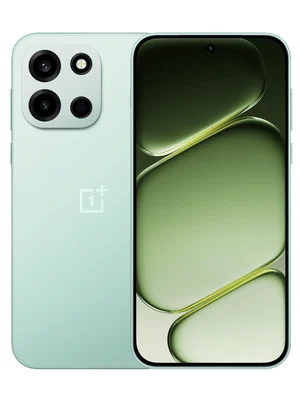
The OnePlus Nord 6 is aimed at users who care most about speed, smoothness and endurance. It is powered by Qualcomm’s Snapdragon 8s Gen 4 processor and offers up to 12GB of RAM, giving it considerably more performance headroom than most phones in this category.
It also features a 6.78-inch AMOLED display with a 165Hz refresh rate. Combined with the flagship-adjacent processor, that makes the Nord 6 an obvious choice for gaming, high-refresh-rate browsing and users who simply dislike waiting for their phone to catch up.
Battery capacity is another major highlight. The device packs a 9,000mAh battery, supported by 80W wired fast charging. That combination should make it one of the more durable mid-range phones for heavy users, while also reducing the time spent tethered to a charger.
The camera system is not its main selling point, and the design lacks the visual flair of the Nothing Phone. Availability is also a serious limitation. OnePlus has reportedly scaled back its smartphone operations in most international markets outside India, making the Nord 6 a realistic option mainly for Indian buyers.
Motorola Edge 70 Fusion: A balanced entertainment phone
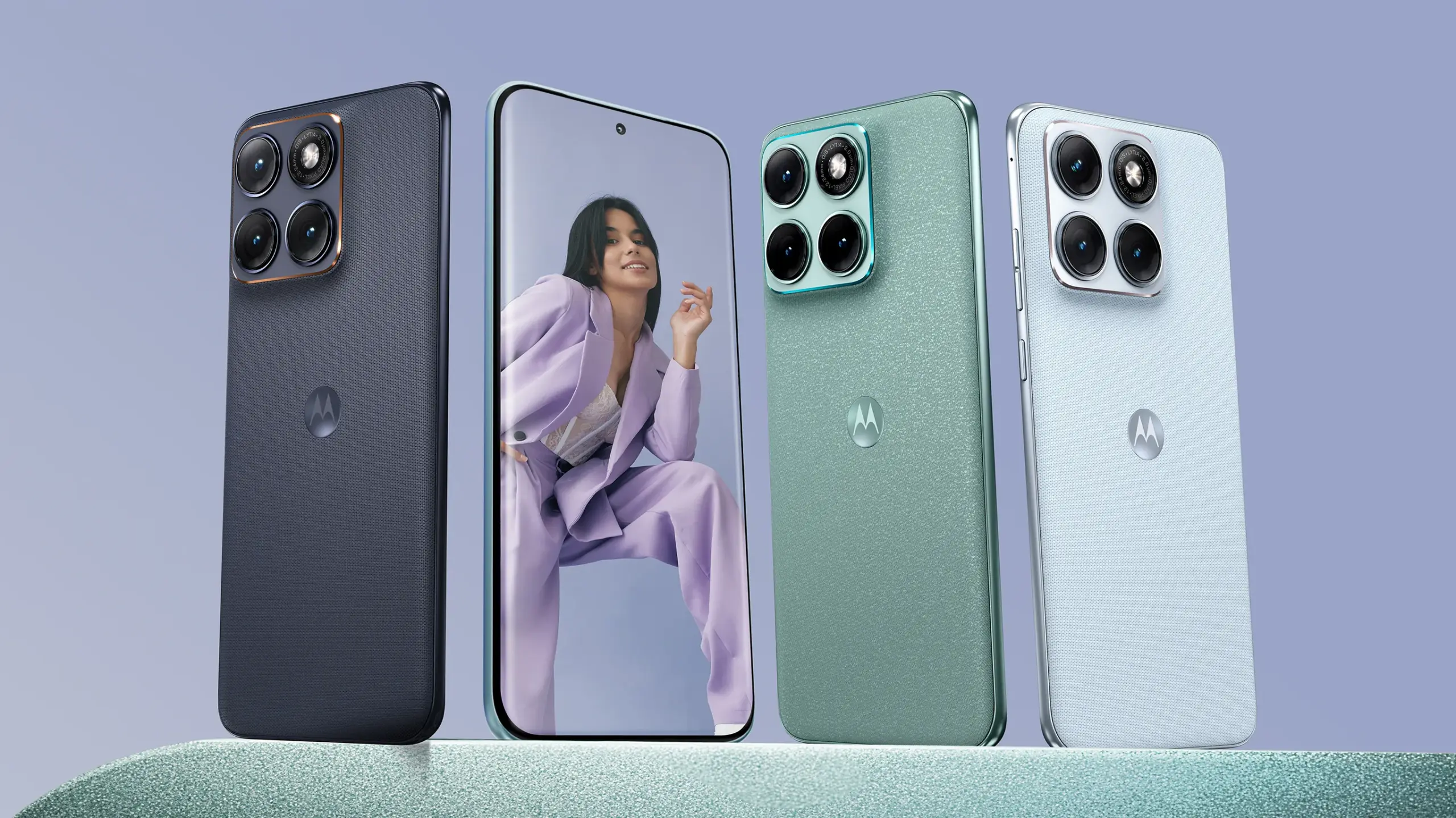
Motorola’s Edge Fusion range has consistently targeted buyers who want a balanced feature set without paying flagship prices. The Edge 70 Fusion continues that approach with a strong display, capable everyday hardware and a slim, lightweight design.
The phone offers a 6.7-inch pOLED display with a 144Hz refresh rate and an advertised peak brightness of 5,200 nits. It is powered by Qualcomm’s Snapdragon 7s Gen 4 chipset and includes a 5,200mAh battery with 68W wired charging.
Its camera system is led by a 50MP main sensor with optical image stabilisation, joined by a 13MP ultra-wide camera. Motorola has also included IP68 dust and water resistance, a feature that remains valuable at this level of the market.
The main drawback is software longevity. Motorola has improved its update record, but it still cannot match Google’s seven-year support policy or Samsung’s six-year commitment. Nevertheless, the Edge 70 Fusion remains a compelling option for buyers focused on streaming, display quality and battery life.
Samsung Galaxy A57 5G: The most complete all-rounder
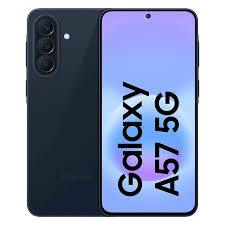
Samsung’s Galaxy A series has become one of the safest choices in the mid-range segment, and the Galaxy A57 5G looks set to continue that trend. It focuses less on headline-grabbing specifications and more on delivering a polished, familiar experience across the board.
The Galaxy A57 features a slim design with a premium-looking glass-and-metal construction. Samsung has also upgraded the hardware over the Galaxy A56 while retaining the qualities that have made the A-series popular.
It includes a 6.7-inch Super AMOLED Plus display with a 120Hz refresh rate, a 5,000mAh battery, 45W charging and IP68 resistance against dust and water. The rear camera system consists of a 50MP main camera, a 12MP ultra-wide camera and a 5MP macro camera.
For existing Samsung users, the A57 is especially easy to recommend. One UI integrates naturally with Samsung’s wider ecosystem, while the company promises six years of OS upgrades and security patches. The model has also reportedly performed well in repairability assessments, which could make long-term ownership less painful.
Its weakness is gaming performance. Buyers who prioritise raw processing power may find more attractive options in the OnePlus Nord 6 or other performance-focused alternatives.


