
Xiaomi Hikes Smartphone Prices Amid Global RAM Component Crisis
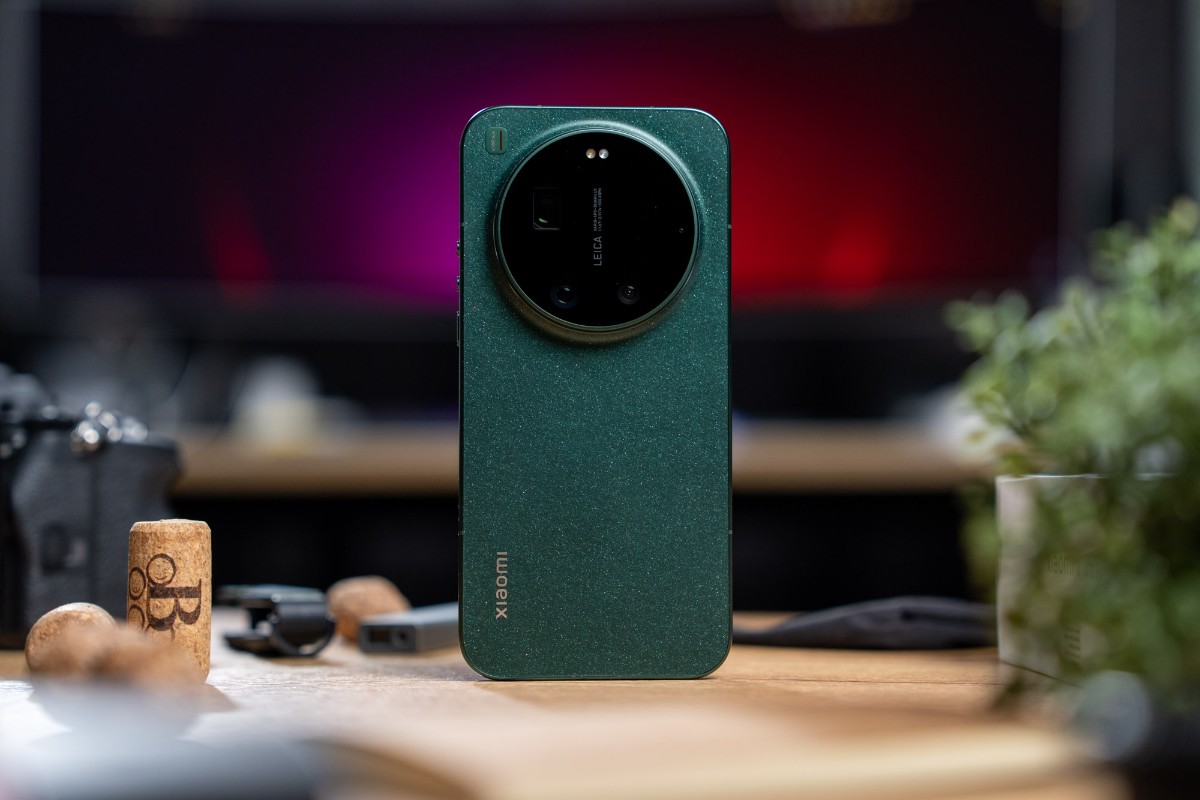
The escalating global RAM crisis is finally trickling down to the consumer level, and one of the world’s largest Android manufacturers is feeling the squeeze. Xiaomi has officially announced significant price increases across a range of its smartphones and tablets, signaling an end to the era where tech giants could quietly absorb surging component costs.
The announcement, initially broadcast via Xiaomi Japan’s official X account, is widely expected to be a precursor to similar price hikes in global markets. Citing the unsustainable surge in memory prices and broader manufacturing costs, Xiaomi revealed that some of its most popular handsets will see price jumps of up to ¥20,000 (approximately $125 to $137).
Which Devices Are Affected?
The price restructuring primarily impacts the upper-mid-range and premium tiers, explicitly targeting the Xiaomi 17T Pro and several configurations of the POCO X8 Pro and X8 Pro Max. Xiaomi’s tablet lineup will also see modest bumps, with increases ranging between ¥2,000 (~$12) and ¥10,000 (~$62).
Key Smartphone Price Adjustments:
| Device & Configuration | Previous Price | New Price |
| Xiaomi 17T Pro (12GB / 256GB) | ¥119,800 (~$754) | ¥139,800 (~$879) |
| Xiaomi 17T Pro (12GB / 512GB) | ¥139,800 (~$879) | ¥159,800 (~$1,005) |
| POCO X8 Pro Max (12GB / 256GB) | ¥79,980 (~$545) | ¥99,980 (~$681) |
| POCO X8 Pro Max (12GB / 512GB) | ¥89,980 (~$613) | ¥109,980 (~$749) |
Note: Several other POCO X8 Pro configurations will also experience a uniform ¥20,000 increase.
The new pricing structure will take effect on September 1 for all core Xiaomi and Redmi products, while the adjusted POCO pricing will roll out on September 4.
The End of Absorbed Costs
For months, smartphone manufacturers have been walking a tightrope, attempting to maintain competitive consumer pricing while battling a volatile supply chain. According to Xiaomi’s statement, the company had been actively absorbing these inflated costs to keep its hardware accessible. However, the continuous spike in memory components has crossed a threshold of sustainability.
The financial strain is already visible on the balance sheets. According to a recent Reuters report, Xiaomi’s smartphone division took a noticeable hit in the second quarter of 2026, with revenue dropping 7.5% year-over-year and overall device shipments plummeting by 26%.
An Industry-Wide Shift
Xiaomi is not an outlier; it is simply the latest bellwether for a broader industry trend. Market research firm Counterpoint noted that smartphone sales during China’s massive 618 shopping festival fell by 13% earlier this year. This slump was directly attributed to manufacturers curbing promotional discounts and raising base prices to offset the very same memory cost inflation.
The premium segment is not immune, either. Industry analysts expect even Apple to implement price hikes for its upcoming iPhone models launching next month. As component volatility continues to dictate market terms, consumers should brace for a new normal of pricier tech hardware across the board.


