
Apple A20 Pro leak reveals possible 2nm and LPDDR6 upgrades for iPhone 18 Pro
A newly leaked image circulating on Weibo is fueling fresh speculation about Apple’s future chip strategy, with attention focused on what is claimed to be the A20 Pro processor. Shared by the accounts WHYLAB and Ice Universe, the image appears to show Apple moving away from its familiar packaging design and toward a more advanced architecture developed by TSMC.
The key claimed change involves packaging technology. Apple has traditionally relied on a package-on-package layout, where DRAM is stacked directly on top of the application processor. That approach has clear advantages, particularly in lowering latency and reducing power draw, but it also concentrates heat in a compact area. If the leak is genuine, Apple may be preparing to change that balance.
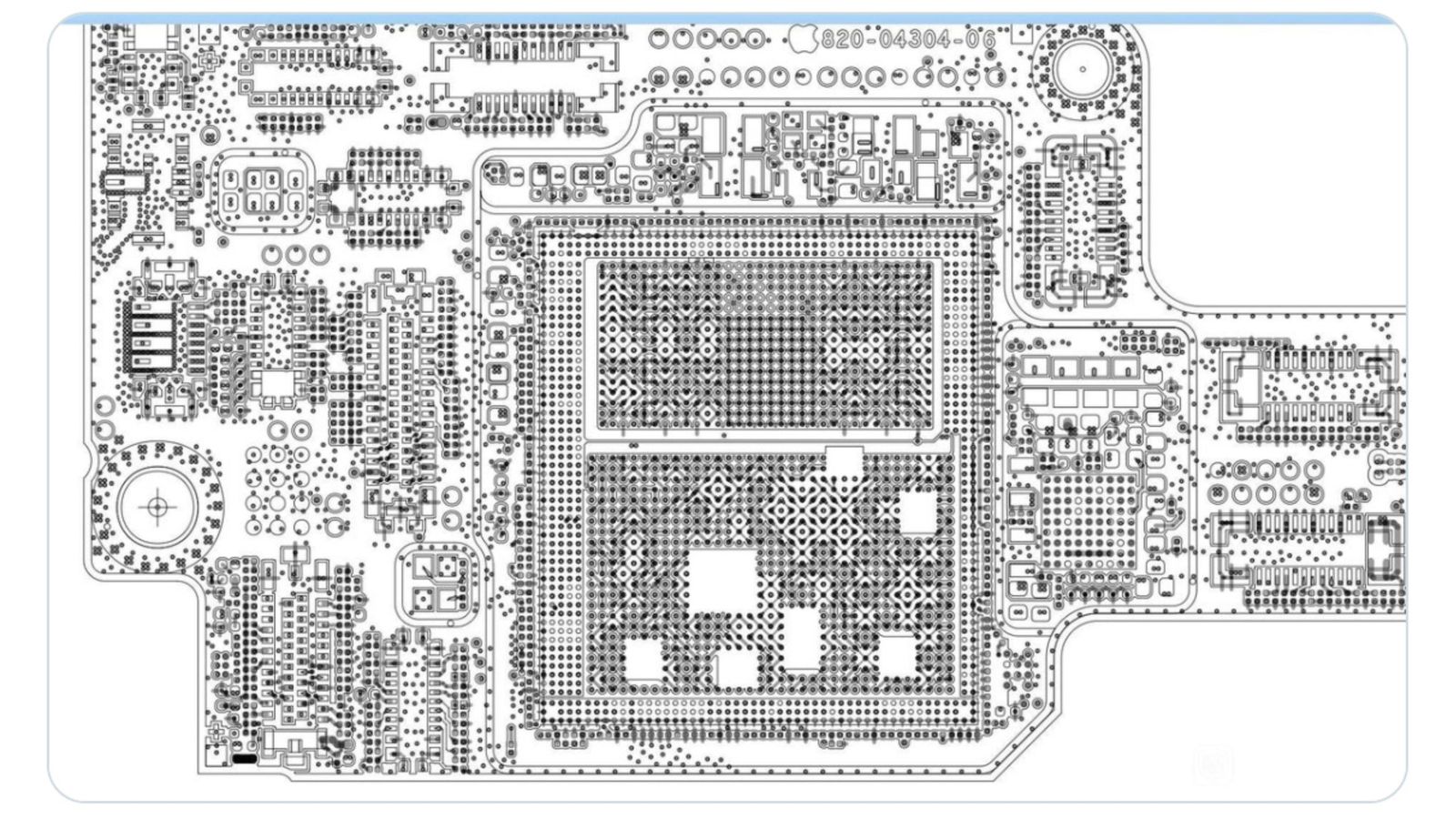
According to the image and accompanying claims, the A20 Pro could adopt TSMC’s Wafer-Level Multi-Chip Module design, or WMCM. In this layout, the DRAM is positioned beside the processor rather than directly above it. That shift could help reduce heat buildup between the memory and the chip itself, allowing for better thermal behavior during heavy, sustained workloads. It is also said to pave the way for LPDDR6 memory on a 96-bit bus, which would offer more efficient bandwidth than earlier implementations.
The physical size of the chip is reportedly close to that of the A19 Pro, but the Neural Processing Unit appears noticeably larger. If that detail is accurate, it would strongly suggest Apple is prioritizing a major step forward in on-device AI performance, likely in anticipation of more demanding Apple Intelligence features and broader machine learning workloads across future devices.
The leak remains unverified, so caution is warranted. Even so, the claims align with longer-running industry chatter that Apple’s next-generation Pro iPhones and its foldable iPhone could adopt both TSMC’s WMCM packaging and the company’s 2nm manufacturing process. That process, known as N2, is widely expected to deliver a meaningful uplift in both speed and efficiency compared with the previous generation.
On paper, the expected gains are substantial. The A20 Pro is rumored to be up to 15 percent faster and as much as 30 percent more power-efficient than the A19 family. The N2 process is also said to introduce new super-high-performance metal-insulator-metal capacitors into the chip’s power delivery system, increasing capacitance density significantly and potentially helping overall stability, efficiency, and sustained performance.
Beyond the chip itself, Apple’s upcoming Pro and foldable models are rumored to share several premium specifications, including 12GB of RAM, 48-megapixel rear cameras, and the company’s C2 modem. If current expectations hold, these devices could all be introduced in September, placing the A20 Pro at the center of Apple’s next major hardware push.


