Nokia’s Phone Name Is Still Alive, but the Story Has Changed
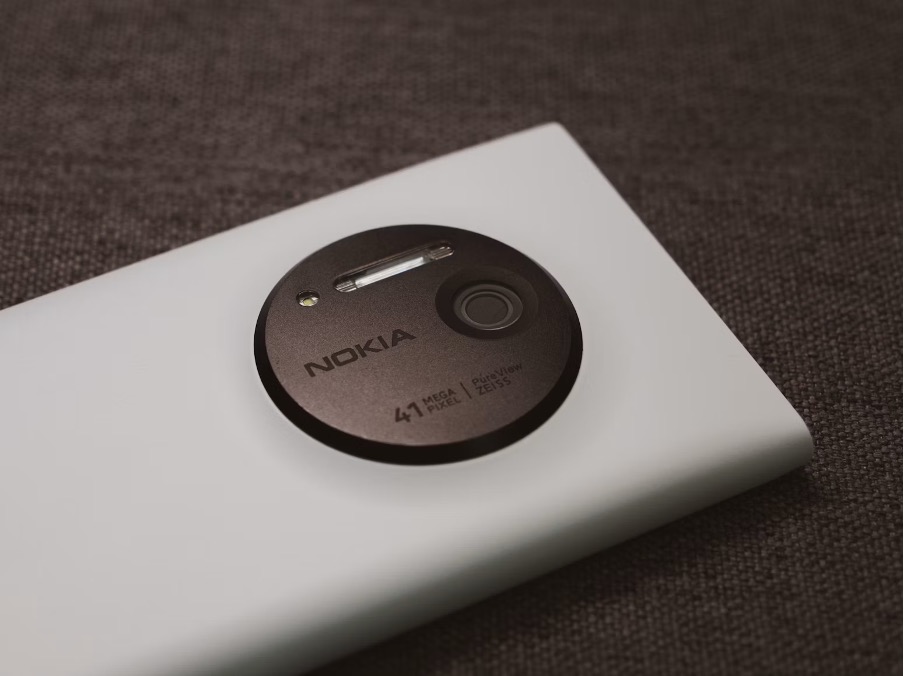
Nokia 2026 is not a simple comeback story. The name still appears on phones, but the center of gravity has moved: HMD is building its own identity, Nokia Corporation is focused on networks and connectivity, and classic Nokia feature phones remain the strongest emotional link.
That split confuses casual buyers. People remember the 3310, the N95, the indestructible candybar era. The current market is different. Nostalgia helps, but it does not build a modern smartphone portfolio by itself.
Nokia Is No Longer Just a Phone Company
Nokia Corporation today speaks mainly in the language of networks, IP systems, cloud infrastructure and AI-era connectivity. Its annual reporting is not built around consumer handsets. The phone brand lives in a licensing structure, not in the old factory myth people still carry.
That matters because a Nokia-branded device in 2026 does not mean Nokia itself designed every part of the product. HMD Global is the company tied to Nokia phones through brand licensing. The difference is legal, commercial and practical.
HMD News Points to Independence
The most important HMD news is the quiet shift toward the HMD name. Since 2024, the company has pushed its own devices harder and reduced dependence on Nokia smartphones. That move makes sense. A license gives reach, but it also limits identity.
HMD wants younger users, repairability angles, family-focused phones and simpler devices with clear use cases. That is not the same as chasing Samsung or Apple at the top end. It is a narrower fight, but possibly a smarter one.
What Happens to Nokia Smartphones
Nokia smartphones have faded from the center of the Android conversation. The brand still carries trust in durability, clean design and basic reliability, but the smartphone market punishes sentiment. Buyers now compare camera processing, update policy, charging speed, display brightness, chipset value and app performance.
That is a hard arena for a legacy name. Midrange Android shelves are crowded with Xiaomi, Samsung, Realme, Motorola, Vivo and Nothing. A Nokia badge can start a conversation, but specs close the sale.
The Feature Phone Line Still Makes Sense
Feature phones are where Nokia still feels natural. The buyer does not need a flagship camera or gaming chip. They need battery life, physical buttons, call quality, simple menus and a price that makes sense.
Reported licensing extensions around Nokia-branded feature phones suggest that this category still has value. It is not glamorous, but it is commercially useful. The strongest Nokia memory was always practical anyway: a phone that survived the day.
| Nokia-related area | 2026 reality |
| Nokia Corporation | Networks, infrastructure, connectivity, AI-era systems |
| HMD Global | Licensee and independent phone maker |
| Nokia smartphones | Reduced visibility, fewer headline launches |
| Nokia feature phones | Still relevant in simple mobile segments |
| Brand emotion | Strong nostalgia, especially around durability |
Mobile Habits Explain the Betting App Shift Too
The Nokia story also shows how mobile habits have changed. People now expect a phone to handle banking, messaging, video, sport, payments and identity checks without friction. A bettor comparing cricket odds, live score pressure and stake size will judge a betting app in Bangladesh by speed first, then by market depth, KYC flow, payment clarity and how cleanly live odds update. A strong app reduces hesitation because users do not want to fight menus while a match is moving. Good bankroll habits still matter, especially when live betting makes every over feel urgent. The device is only the doorway; the interface decides whether the session feels controlled.
That is why betting products now compete on the same ground as mainstream mobile services. Registration, account security, deposits, withdrawals and live navigation all have to feel simple on a modest Android phone, not only on a premium device. During a short break between messages and score checks, MelBet works as a sports betting hub where cricket markets, odds movement and match data sit close together. The practical value is speed with enough information to avoid blind staking. A user following a chase can compare run rate, wickets in hand and price movement before choosing a stake size. That is the kind of mobile behavior Nokia helped normalize years ago: direct, portable and always within reach.
Why Nostalgia Cannot Do All the Work
Nostalgia sells attention, not retention. A buyer may smile at the Nokia name, but the phone still has to pass the daily test: battery, camera, apps, durability, repairs and price. If those are weak, memory will not save the product.
The same applies to design. A retro shell can draw headlines, but software support matters more after six months. Cheap phones become expensive when they slow down too quickly.
The Most Likely Future
The cleanest reading is simple. Nokia remains valuable as a name on practical phones. HMD keeps building its own brand, using Nokia where it still works and reducing exposure where it does not. Nokia Corporation keeps its main focus on telecom infrastructure, enterprise systems and connectivity.
That makes Nokia 2026 less dramatic than the rumors suggest. It is not a full death, and it is not a heroic return. It is a brand being divided into its useful parts.
What Buyers Should Watch
The next signals are easy to track:
- Whether new Nokia-branded smartphones appear outside low-cost segments.
- Whether HMD keeps feature phones under the Nokia name.
- How long software support lasts on HMD and Nokia devices.
- Whether repairability becomes a real selling point or only a slogan.
- How aggressively HMD prices its own-brand Android phones.
The old Nokia was a mass-market force. The 2026 version is more fragmented, quieter and less romantic. Still, a name that survived this long usually has one more use left in it.
