
Huawei Mate 90 expected to debut new Kirin chip based on Tau scaling strategy
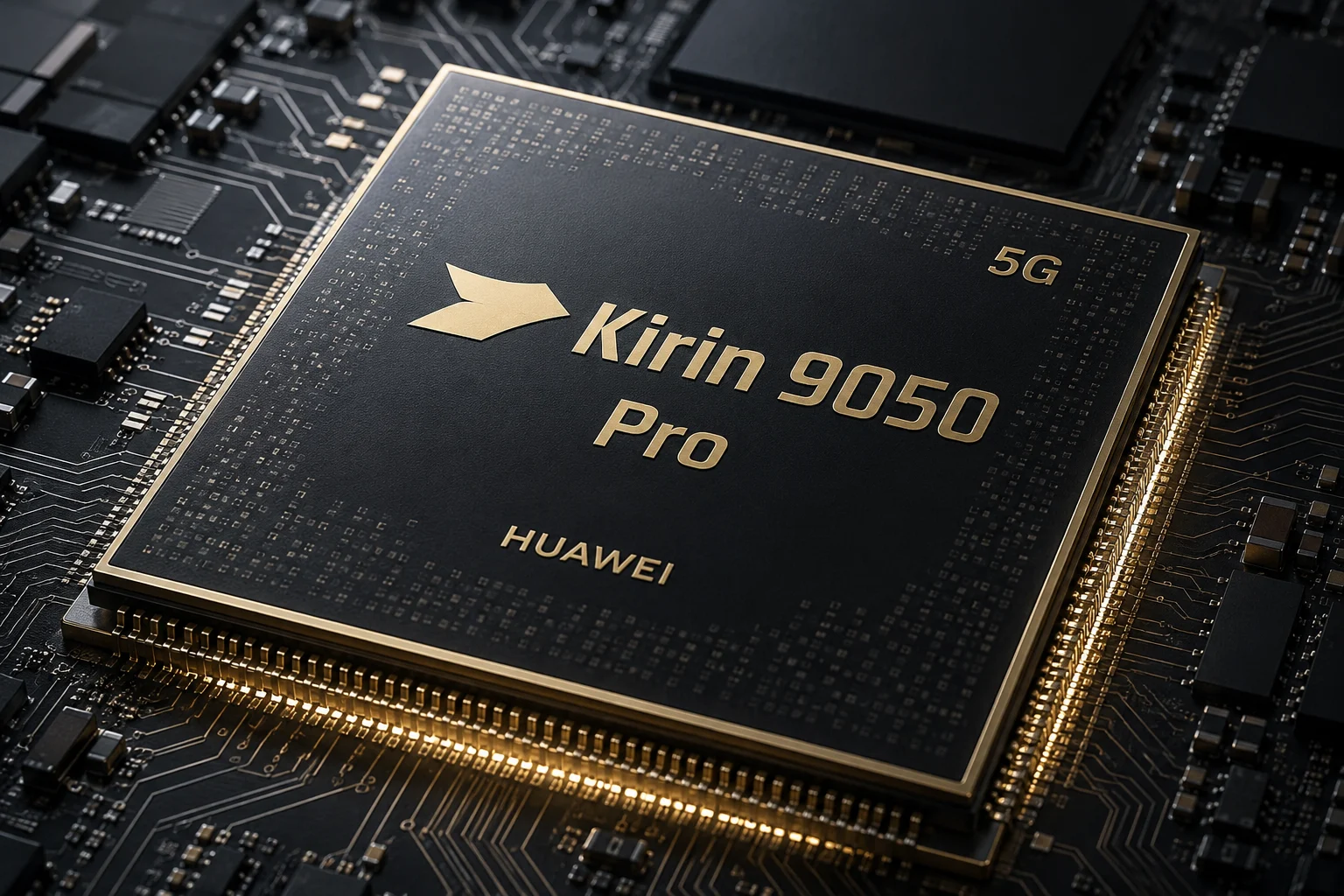
Huawei’s next Mate 90 series is expected to introduce a new Kirin chipset built on the company’s LogicFolding approach, marking a notable shift in how Huawei is framing chip progress under current manufacturing constraints. Rather than focusing only on traditional process-node shrinkage, the company is positioning the new Tau scaling strategy around improvements in transistor density and efficiency, with the first commercial debut expected this autumn.
Rewritten article
Huawei is reportedly preparing to launch the Mate 90 series with a new Kirin chipset that reflects a broader change in the company’s semiconductor strategy. According to recent reports, the upcoming phones are expected to be among the first Huawei devices to use a chip based on the company’s new LogicFolding architecture, which is designed to improve density and power efficiency through a dual-layer logic structure rather than relying solely on conventional node scaling.
The technology was outlined during ISCAS 2026 in Shanghai, where Huawei semiconductor executive He Tingbo said a new Kirin smartphone chip using LogicFolding would arrive this autumn. Huawei also presented its Tau Scaling Law, a framework the company says can extend chip development by improving transistor density through architectural and packaging changes rather than only through smaller lithography processes.
In practical terms, the Mate 90 series is widely expected to be the launch platform for this new silicon. Multiple reports point to a September debut, with the chipset commonly referred to in leaks as the Kirin 9050 Pro, although Huawei has not publicly confirmed that final branding. That makes the Mate 90 an important product not only for Huawei’s smartphone roadmap but also for its effort to demonstrate a more self-directed path in chip design.
Leaked details suggest the chip could use an eight-core 1+3+4 CPU configuration, with a prime core reportedly exceeding 3GHz, while some reports claim significant gains in transistor density and performance efficiency over the previous generation. However, these figures remain unofficial, and Huawei has so far only confirmed the broader technology direction rather than the detailed commercial specifications.
What appears more firmly established is the strategic significance of the chip. LogicFolding and Tau Scaling are being presented as alternatives to the classic industry model in which progress depends mainly on access to more advanced lithography. For Huawei, that matters because it offers a route to improving chip competitiveness despite ongoing external restrictions on advanced semiconductor manufacturing tools.
The Mate 90 series is also expected to serve as one of Huawei’s flagship platforms for the second half of the year, where it would compete in the premium segment against Apple and other major smartphone brands. If the new Kirin chip performs as Huawei intends, the device could become an important test case for whether architectural innovation can offset at least part of the gap created by manufacturing limitations.
For now, many of the key performance claims remain based on leaks and early reporting rather than official product disclosures. Even so, the direction is clear: Huawei is using the Mate 90 and its next Kirin platform to show that future gains in smartphone chips may come not just from smaller nodes, but also from new design methods that rethink how chip logic is arranged and scaled.


