
WhatsApp in India Adds Prepaid Mobile Recharges to Expand In-App Payments
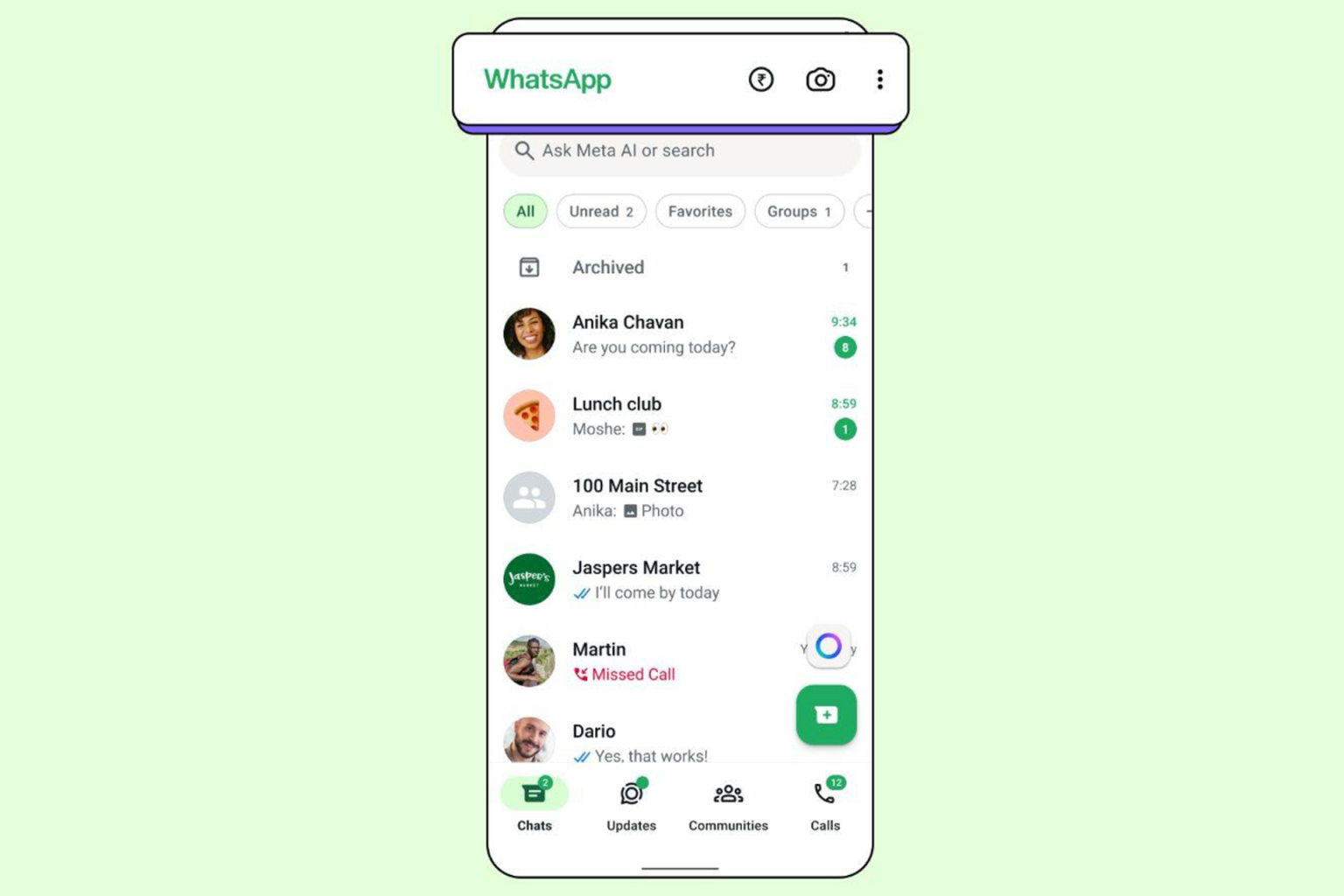
WhatsApp is taking another step toward becoming more than a messaging platform in India, this time by introducing prepaid mobile recharges directly inside the app. The new feature is part of a broader effort to encourage users to carry out more day-to-day transactions within WhatsApp, even as the company continues to trail far behind the dominant digital payments players in the Indian market.
Under the rollout announced on Thursday, WhatsApp is partnering with fintech company PayU to enable prepaid phone recharges for users across India. The service will allow people to recharge numbers linked to major telecom operators, including Jio, Airtel, and Vodafone Idea, without leaving the messaging app. PayU said the feature will be gradually made available to all WhatsApp users in the country over the next two weeks.
The move comes at a time when WhatsApp is still struggling to translate its enormous user base into comparable strength in digital payments. India remains one of WhatsApp’s largest markets, with more than 500 million users, yet its payments service has not come close to matching the scale achieved by competitors such as PhonePe and Google Pay. Although WhatsApp entered the Indian payments space in 2020, its presence within the country’s Unified Payments Interface ecosystem continues to be relatively small.
The latest data from the National Payments Corporation of India underlines the scale of that gap. In March, WhatsApp processed more than 130 million transactions through UPI. That figure may appear substantial in isolation, but it remains far behind PhonePe, which handled more than 10.5 billion transactions during the same month, and Google Pay, which processed over 7.5 billion. The numbers make clear that, despite years in the market, WhatsApp is still a minor participant in India’s fast-moving digital payments landscape.
That imbalance has continued even after regulatory conditions became more favorable for WhatsApp Pay. In late 2024, the National Payments Corporation of India removed onboarding restrictions that had previously limited how many users could access the service. That change allowed WhatsApp to open payments to its full user base in India after years of staggered, phased expansion. Even so, the removal of those barriers has not yet translated into a major shift in market share.
There are, however, signs that activity on WhatsApp Pay has been improving since those restrictions were lifted. NPCI data shows that UPI transactions on the platform more than doubled from roughly 61 million in January 2025 to over 130 million in March. Yet that growth still needs to be viewed in context. During the same period, PhonePe and Google Pay also expanded further, growing by around 30 percent and 20 percent respectively, while continuing to dominate the overwhelming majority of transaction volumes.
The addition of prepaid recharges fits into a wider strategy that Meta has been pursuing for WhatsApp in India. The company has been steadily building more utility-focused services inside the app, aiming to make WhatsApp a place where users can do far more than send messages. People in India can already use WhatsApp to pay bills, book metro tickets, and access a variety of public services through chat-based experiences. By adding mobile recharges to that list, WhatsApp is trying to deepen habit and increase the number of reasons people return to the app for practical everyday tasks.
To support that push, WhatsApp has also introduced a rupee symbol on its home screen, giving users a more direct way to reach the payments section. That shortcut sits alongside other transaction-related features already available in the app, including peer-to-peer payments and service-based utilities such as recharges. The design change reflects a clear product decision: if Meta wants payments to become a meaningful behavior inside WhatsApp, those tools must be more visible and easier to access.
Meta says the goal is to make routine financial actions simpler and more convenient within the platform. Ravi Garg, director of business messaging at Meta India, said the latest updates are intended to bring more everyday utility into WhatsApp and reduce friction around common transactions. In that sense, prepaid recharges are not just a standalone feature, but part of a larger attempt to embed financial services more deeply into the messaging experience.
Even so, the broader challenge remains unchanged. WhatsApp may be one of the most widely used apps in India, but scale in messaging has not automatically produced scale in payments. The company is effectively trying to reshape user behavior in a market where two entrenched rivals already handle the vast majority of digital payment activity. Adding services like prepaid mobile top-ups may help improve engagement and increase transaction frequency, but it does not, by itself, guarantee that WhatsApp can close the considerable gap with more established payment platforms.
What this latest move does show is that Meta is not backing away from its ambitions in India’s digital commerce ecosystem. Instead, it is broadening WhatsApp’s role step by step, using familiar, high-frequency services such as bill payments, transit ticketing, and now prepaid mobile recharges to make the app more useful in daily life. Whether that strategy ultimately changes WhatsApp’s position in India’s payments hierarchy remains uncertain, but the direction is now unmistakable: Meta wants WhatsApp to become a transactional platform, not just a communication tool.


